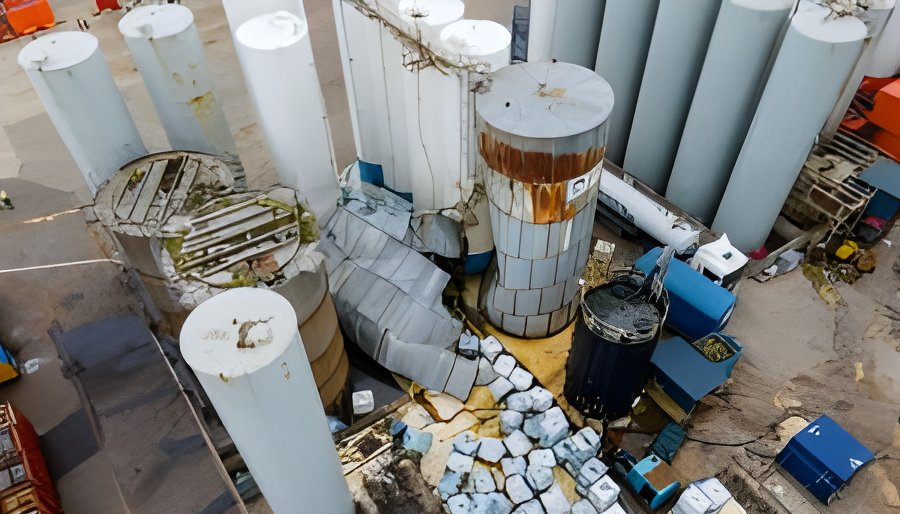
Waste Recycling Company Fined After Conveyor Access Leads to Life Changing Crush Injury
Mon 8th Jun 2026 by HS Hub
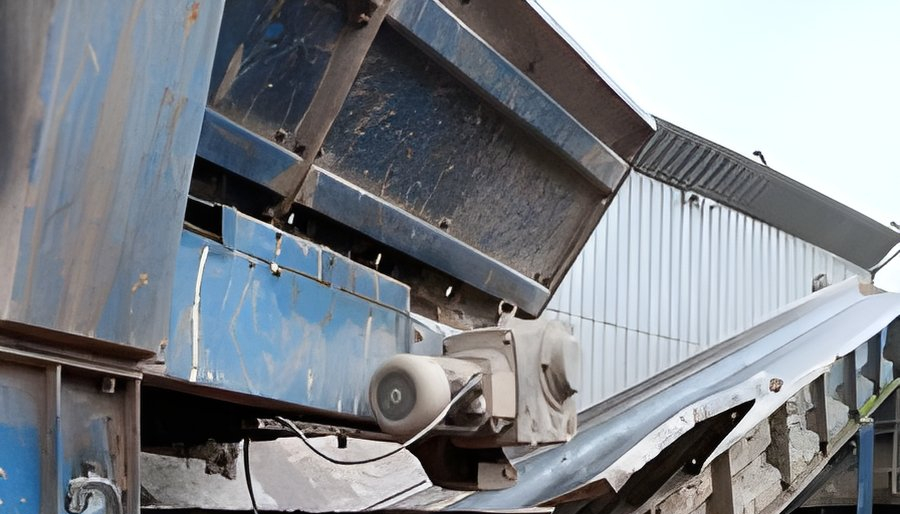
Waste Recycling Company Fined After Conveyor Access Leads to Life Changing Crush Injury

Brief Summary
An employer in the waste and recycling sector was fined after a worker was drawn into a conveyor belt when attempting to clear a blockage. The Health and Safety Executive investigation found failures to prevent access to dangerous parts of the machinery and to provide a safe system of work for cleaning and blockage clearing.
What Was The Incident?
On 27 January 2024, a worker at a waste and recycling facility slipped and made contact with the unguarded tail end of a conveyor belt carrying waste materials. The worker was attempting to clear a blockage on the plant and their arm was dragged into the machine, causing crush injuries including bone fractures, severe lacerations, nerve damage and a fractured rib.
What Was The Outcome?
The employer pleaded guilty to breaches of the Health and Safety at Work etc. Act 1974 and the Provision and Use of Work Equipment Regulations 1998. It was fined £64,666 and ordered to pay £4,657 in costs. The enforcement outcome was a court conviction with financial penalties.
Key Points To Consider
Guard dangerous machine parts. If any part of a machine presents a reasonably foreseeable risk of harm, the employer must treat it as a dangerous part and provide suitable safeguarding, including guards where needed.
Use a safe system for clearing blockages. Blockage clearing must be supported by a safe system of work, including isolation of the plant before any cleaning or maintenance activity, along with clear instructions, training and adequate supervision.
Stop work starts at the risk assessment stage. Employers should ensure suitable and sufficient risk assessment is undertaken for tasks involving machinery, especially activities that may require workers to access areas near moving parts.
Consider realistic slips and contact scenarios. The incident involved contact after a slip, showing the importance of accounting for foreseeable events and preventing access to hazardous machine areas even during routine operational problem solving.
Treat machine contact as a management system issue. The case reflects a lack of robust health and safety management for machinery guarding and safe working arrangements, which should be built into everyday operations rather than addressed reactively.
Tags: regulatory, news, machinery safety, lockout tagout, permit to work

In Other News



Sign up to our newsletter
Most Read





New Non Executive Director Confirmed For HSE Board
Mon 18th May 2026
Offshore Firm Fined After Death Following Grate Failure
Mon 18th May 2026

Road Planing Company Fined After Guard Failure Leads to Amputation
Thu 14th May 2026