Offshore Firm Fined After Death Following Grate Failure
Mon 18th May 2026 by HS Hub
Offshore Firm Fined After Death Following Grate Failure

Brief Summary
HSE found that a missing deck grate on an offshore installation was not secured in line with the original equipment manufacturer specifications and that later inspections did not check the proper deployment of clips used to secure the grating. The incident occurred during deteriorating weather and resulted in the death of a crewman, whose body was never recovered, leading to a guilty plea and a fine.
What Was The Incident?
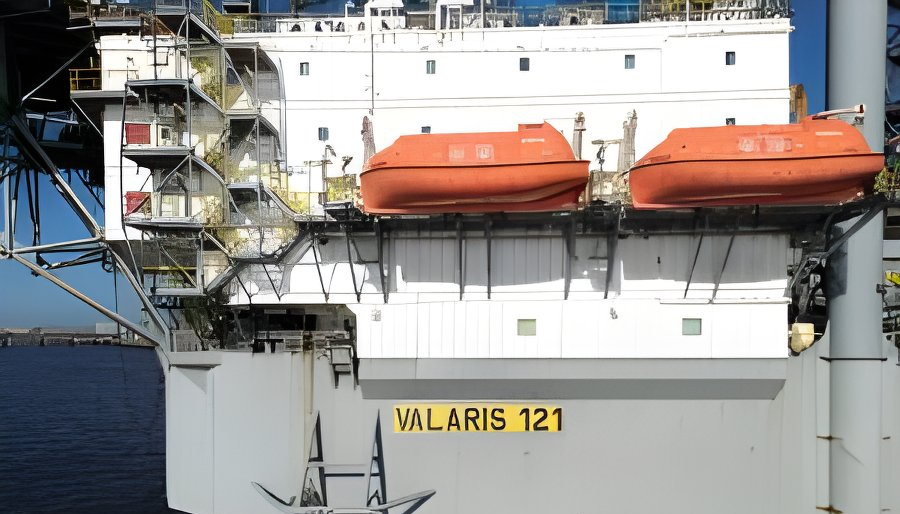
On 22 January 2023, while an offshore installation was afloat and being towed towards Dundee for maintenance, weather deteriorated with winds over 30 miles per hour and waves above five metres. A crewman supervising the deck team completed water integrity checks at around 2pm and was last seen leaving a staff lounge with a cup of coffee and a mobile phone at about 3.05pm. Around 4pm, a loud noise was heard and a colleague found that the grating immediately outside a deck 1 door had been displaced, leaving a void over North Sea water. Emergency calls were made, including repeated tannoy searches, but the crewman could not be located. Items including a hard hat, gloves and radio were later found near the airlock door. The crewman was lost to the sea and a search and rescue effort was called off the following day.
What Was The Outcome?
The offshore firm pleaded guilty to breaching duties under the Health and Safety at Work etc Act 1974. On 18 May 2026 it was fined £267,000, with a victim surcharge of £20,025, making the total payable £287,025.
Key Points To Consider
Verify grating is secured to original specifications. Grating panels must be installed and secured so they meet the OEM specifications, because inadequate securing can allow a dangerous void to form during operations or environmental stress.
Inspect not just the presence of fixings but their proper deployment. Later inspections should check that securing components are correctly deployed, including the specific clips used to stop gratings coming loose, rather than relying on superficial checks.
Control risks during rig moves and changing weather. The incident occurred as conditions worsened during a tow for maintenance, showing the need for effective risk control when the installation is moving and when forces from waves and wind may increase.
Strengthen equipment assurance through documented maintenance and follow up. Where there is a known reliance on particular securing methods, assurance should include clear maintenance arrangements and follow up actions that confirm the system remains fit for purpose over time.
Learn from incidents to prevent repeat failures across the fleet. After the incident, the firm replaced polymer grating across its fleet with galvanised steel grating, highlighting how organisational learning and corrective action are important once weaknesses are identified.
Tags: regulatory, news, compliance, incident management, emergency planning, rescue, access equipment
In Other News



Sign up to our newsletter
Most Read



Apprentice Dies After Engine Room Fire Suppression Activation
Fri 16th Oct 2026
Electrical Company Fined After Worker Crushed By Unsecured Load
Fri 16th Oct 2026

Life Changing Injury During Filming From A Moving Vehicle
Thu 15th Oct 2026

HSE Urges Early Action On Noise And Vibration Risks
Tue 13th Oct 2026
Landlord Sentenced For Failing To Arrange Annual Gas Safety Checks
Mon 12th Oct 2026
Worker Suffers Partial Thumb Loss During Manual Handling Task
Wed 7th Oct 2026