
Contractor Safety Management in the UK: What the Law Requires
Fri 13th Mar 2026 by HS Hub

Contractor Safety Management in the UK: What the Law Requires

Contractor safety management is a vital part of maintaining a safe and legally compliant workplace in the UK. Whenever contractors are brought in, whether for maintenance, specialist services, construction work, or short-term projects, organisations must ensure that the work is properly planned, coordinated, and monitored. Without effective management, contractor activities can introduce serious risks not only to those carrying out the work, but also to employees, visitors, and members of the public.
In the UK, contractor safety is governed by a strong legal framework designed to protect everyone involved in or affected by workplace activities. This framework places clear responsibilities on employers, contractors, and other duty holders, helping to ensure that risks are identified, controlled, and communicated effectively.
The legal foundation: Health and Safety at Work etc. Act 1974
The Health and Safety at Work etc. Act 1974 is the foundation of health and safety law in the UK. It places a general duty on employers to ensure, so far as is reasonably practicable, the health, safety, and welfare of their employees and anyone else who may be affected by their work activities. This includes contractors and subcontractors working on site.
Under the Act, employers must provide safe systems of work, appropriate information, suitable training, and proper supervision. These duties are not limited to direct employees. If contractors are working within a business, the organisation must take reasonable steps to ensure that their activities do not create unnecessary risk.
Managing risk: Management of Health and Safety at Work Regulations 1999
Building on the 1974 Act, the Management of Health and Safety at Work Regulations 1999 require employers to carry out suitable and sufficient risk assessments for their work activities, including tasks carried out by contractors. This is a key part of contractor safety management, because risks cannot be controlled effectively unless they are first identified and understood.
These regulations also require employers to put preventive and protective measures in place and to ensure there is effective communication and coordination between all parties. In practice, this means employers and contractors must share relevant information, understand each other’s responsibilities, and work together to maintain a safe environment.
Construction work and CDM 2015
For construction projects, contractor safety is also governed by the Construction (Design and Management) Regulations 2015, commonly known as CDM 2015. These regulations apply to all construction projects, regardless of their size or duration, and are designed to make sure health and safety is considered from the earliest planning stage through to completion.
CDM 2015 sets out clear duties for everyone involved in a project:
Clients must ensure that projects are organised and managed in a way that controls health and safety risks from start to finish.
Principal designers are responsible for planning, managing, monitoring, and coordinating health and safety during the pre-construction phase. This includes identifying foreseeable risks and helping to eliminate or reduce them through design and planning.
Principal contractors must plan, manage, monitor, and coordinate the construction phase. Their responsibilities include preparing the construction phase plan, coordinating contractors, providing site inductions, ensuring welfare facilities are available, and consulting with workers.
Contractors must plan, manage, and monitor their own work and the work of those under their control. They are required to cooperate with the principal contractor and follow any relevant instructions aimed at maintaining safety on site.
Workers must take reasonable care of their own health and safety and that of others, cooperate with duty holders, and report anything they believe could put people at risk.
Together, these duties help create a joined-up approach to safety, making sure health and safety is embedded into every stage of a construction project rather than treated as an afterthought.
Selecting and managing contractors effectively
Good contractor safety management starts long before work begins. Choosing the right contractor is one of the most important steps in reducing risk. Employers should assess whether a contractor is competent by reviewing their health and safety policies, relevant experience, training arrangements, and track record.
Once appointed, contractors need clear direction and ongoing support. Effective management usually includes:
Planning the work properly, defining the scope, and identifying any hazards linked to the task.
Selecting contractors based on their ability to carry out the work safely, not simply on cost or availability.
Inducting contractors so they understand the site, its hazards, emergency procedures, and any specific safety rules.
Monitoring performance throughout the work to make sure agreed controls are being followed.
Reviewing the work afterwards to identify lessons learned and improve future contractor management.
This process helps create better communication, stronger cooperation, and a shared understanding of what safe working looks like in practice.
The consequences of getting it wrong
Failing to manage contractor safety properly can have serious consequences. Poor planning, weak communication, or inadequate supervision can lead to injury, ill health, property damage, project delays, enforcement action, and reputational harm.
Where legal duties are breached, the Health and Safety Executive (HSE) has the power to take enforcement action. This can include improvement notices, prohibition notices, prosecution, substantial fines, and in the most serious cases, imprisonment. These consequences underline the importance of treating contractor safety as a core part of business risk management, not simply an administrative task.
In Short
Contractor safety management in the UK is built on a clear and robust legal framework. The Health and Safety at Work etc. Act 1974, the Management of Health and Safety at Work Regulations 1999, and CDM 2015 all play an important role in setting out responsibilities and standards for safe working.
By selecting competent contractors, carrying out proper risk assessments, coordinating effectively, and monitoring work carefully, organisations can meet their legal duties and create safer workplaces for everyone involved. Strong contractor management is not just about compliance. It is about protecting people, reducing risk, and building a culture where safety is shared from the very start.
Tags: article, contractor safety, core health & safety

In Other News



Sign up to our newsletter
Most Read


Worker Crushed In Unsupported Trench Causes Prosecution
Wed 9th Sep 2026
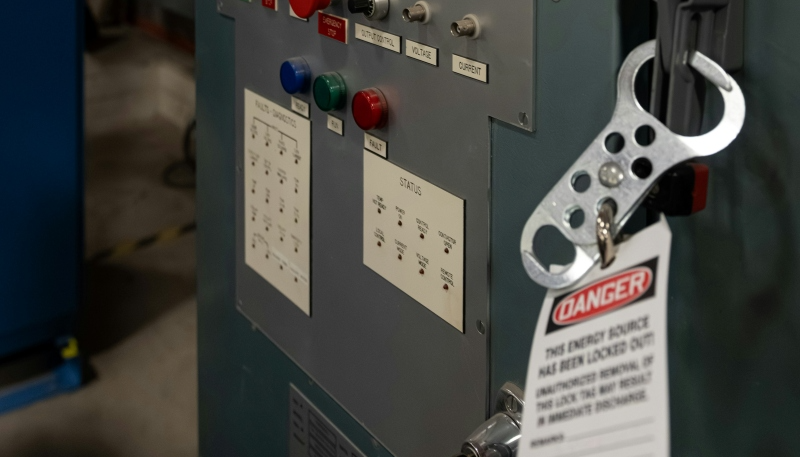
Supervisor Severely Injured After Entering Live Palletiser
Fri 28th Aug 2026


Worker Crushed In Unsupported Trench Causes Prosecution
Wed 9th Sep 2026



Worker Suffers Arm Fractures After Unguarded Conveyor
Fri 4th Sep 2026

Farmer Fined After ATV Overturn Kills Employee
Fri 4th Sep 2026


Public Injured When Scrap Metal Pile Collapsed
Wed 2nd Sep 2026
Supervisor Severely Injured After Entering Live Palletiser
Fri 28th Aug 2026
Worker Fractures Twelve Ribs During Pillar Drill Lifting Incident
Wed 26th Aug 2026