
Strategic Implementation of Positive Health, Safety and Environmental Culture

Strategic Implementation of Positive Health, Safety and Environmental Culture

Rather than relying solely on top-down rules or standards, the research highlights how leadership presence, culturally responsive communication, and reflective practice can transform how people engage with HSE in their daily work. The findings are particularly relevant for organizations operating in complex, labour-intensive, and geographically dispersed environments.
Summary
The study concludes that sustainable HSE culture change in multinational, high-risk industries is driven less by formal policies alone and more by how leadership, communication, and behavioural practices are enacted on the ground. Visible leadership engagement, multilingual and inclusive communication strategies, and behaviour-based safety approaches that emphasize shared responsibility significantly improved HSE ownership and performance. The research demonstrates that adaptive, people-centred systems, supported by reflective practice and collaboration, are more effective than rigid, one-size-fits-all models in diverse operational contexts.
Methodology
A reflective, practitioner-led single case study approach was used, grounded in Critical Realism.
Key methodological features included:
- Qualitative, interpretive methods with insider practitioner access.
- Reflective tools such as journals, observations, informal interviews, and document analysis.
- Use of established frameworks to guide analysis: Cooper’s Reciprocal Safety Culture Model, Reason’s Organizational Accident Model, Human Factors Analysis and Classification System (HFACS)
- Thematic analysis applied through a critical realist lens to identify underlying mechanisms shaping safety culture.
This approach enabled exploration of both observable safety outcomes and deeper organizational, cultural, and relational factors influencing HSE performance.
Key Findings
1. Leadership Engagement
Visible and consistent leadership involvement such as site visits, participation in safety meetings, and linking safety KPIs to performance appraisals acted as a powerful driver of cultural change and accountability.
2. Multilingual and Inclusive Communication
Standardized, single-language communication was ineffective in a diverse workforce. The introduction of multilingual briefings, visual materials, interpreters, and culturally adapted messaging significantly improved understanding, trust, and engagement.
3. Behaviour-Based Safety and Emotional Intelligence
Behavioural safety initiatives were most effective when linked to personal values and real-life consequences rather than rule enforcement. Emotional intelligence training and reflective tools helped shift focus from blame to system-level learning.
4. Collaboration and Stakeholder Involvement
Strong internal collaboration across departments and external partnerships with regulators, emergency services, and training providers strengthened HSE capability and broke down organizational silos.
5. Adaptive Responses to Contextual Barriers
Challenges such as heat stress, religious routines, fatigue, and cultural resistance were addressed through flexible, context-sensitive solutions (e.g., adjusted shifts, dual drivers, technology aids), reinforcing system resilience.
Takeaways for Practice
- Safety culture is built through visible leadership behaviour, not policies alone.
- Communication equity; using language, visuals, and methods people truly understand, is essential in multicultural workplaces.
- Behaviour-based safety works best when framed around relationships, values, and shared responsibility.
- Embedding reflection into everyday routines supports continuous learning and proactive risk management.
- Global standards should be adapted to local realities, not imposed rigidly.
- Developing HSE leaders’ emotional intelligence and cultural competence is as important as technical training.
- Thoughtful use of technology can bridge language and literacy gaps, improving inclusion and safety outcomes.
Read the full research study here:
Muselela, C., Mweemba, L., & Mubita, K. (2025). Strategic implementation of positive health, safety and environmental culture in multinational and high-risk industries: A reflective case study. International Journal of Science and Research Archive, 17(01), 492–502 https://journalijsra.com/node/2054
Tags: research, strategy, compliance, audit, core health & safety

In Other News

Sign up to our newsletter
Most Read


Worker Crushed In Unsupported Trench Causes Prosecution
Wed 9th Sep 2026


Worker Crushed In Unsupported Trench Causes Prosecution
Wed 9th Sep 2026


Worker Suffers Arm Fractures After Unguarded Conveyor
Fri 4th Sep 2026

Farmer Fined After ATV Overturn Kills Employee
Fri 4th Sep 2026

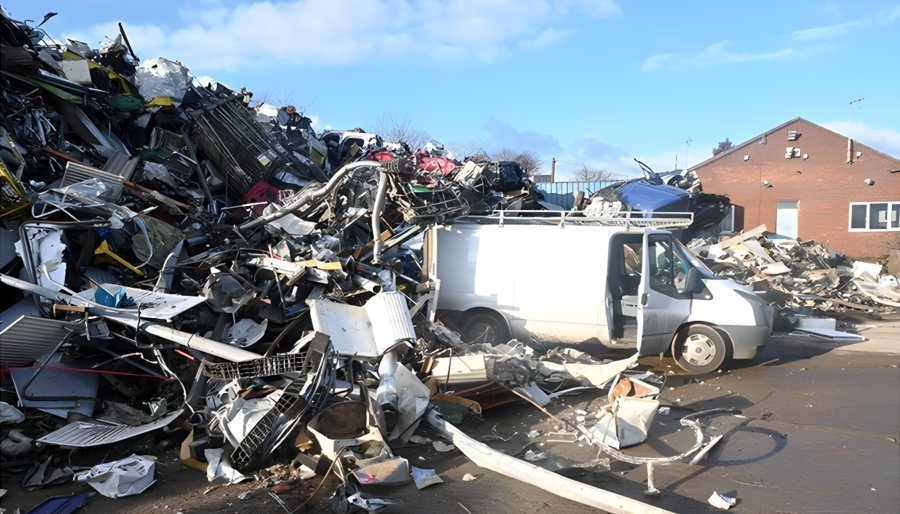
Public Injured When Scrap Metal Pile Collapsed
Wed 2nd Sep 2026
Supervisor Severely Injured After Entering Live Palletiser
Fri 28th Aug 2026

Worker Fractures Twelve Ribs During Pillar Drill Lifting Incident
Wed 26th Aug 2026