
Staying Safe in Confined Spaces: A Practical Guide to the 1997 Regulations
Mon 20th Apr 2026 by HS Hub
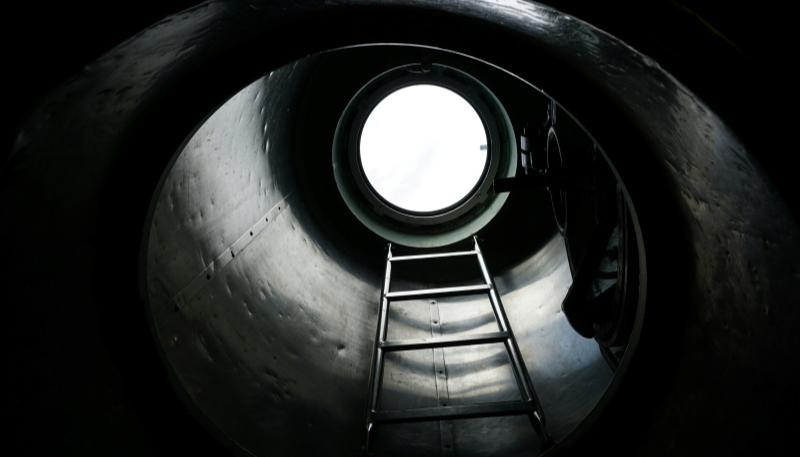
Staying Safe in Confined Spaces: A Practical Guide to the 1997 Regulations

Working in a confined space can be dangerous. Limited access, poor ventilation, hazardous substances and restricted movement can quickly turn routine work into a serious emergency. The Confined Spaces Regulations 1997 were introduced in the UK to help protect workers from these risks and ensure that confined space work is properly planned, controlled and carried out safely.
These regulations set out clear duties for employers, employees and competent persons, with a strong focus on risk assessment, prevention, training and emergency rescue arrangements.
What is a confined space?
A confined space is any place that is substantially enclosed and presents a risk of serious injury due to dangerous conditions. This could include risks from hazardous gases, lack of oxygen, flooding, fire, explosion, engulfment or restricted access.
Examples of confined spaces include:
- Storage tanks
- Silos
- Sewers
- Tunnels
- Vats
- Chambers
- Pits
- Ducts
- Other enclosed or difficult-to-access areas
A space does not have to be small to be considered confined. The key issue is whether the space is enclosed enough to create serious risks for anyone entering or working inside it.
Employer responsibilities
Under the Confined Spaces Regulations 1997, employers must take suitable steps to protect anyone required to work in or near a confined space. The main duties include identifying hazards, assessing risks and putting effective controls in place before work begins.
Identifying and assessing confined spaces
Employers must identify any confined spaces within the workplace and assess the risks associated with them. This assessment should consider factors such as:
- How workers will enter and exit the space
- The atmosphere inside the space
- The presence of hazardous substances
- The risk of fire, explosion, flooding or engulfment
- The possibility of workers becoming trapped
- The need for supervision and communication
A thorough risk assessment helps determine whether entry is necessary and, if it is, how the work can be completed safely.
Controlling the risks
Where risks are identified, employers must put suitable control measures in place. This may include improving ventilation, isolating energy sources, removing hazardous substances, using gas monitoring equipment, providing safe access arrangements or supplying personal protective equipment.
In many cases, a safe system of work will be required. This should clearly explain how the work will be carried out, who is responsible for each task, what equipment is needed and what procedures must be followed.
Training and information
Anyone involved in confined space work must receive appropriate training and information. Workers need to understand the hazards they may face, how to use safety equipment correctly and what to do in an emergency.
Training should cover areas such as:
- Recognising confined space hazards
- Safe entry and exit procedures
- Communication methods
- Use of PPE and monitoring equipment
- Emergency arrangements
- Reporting hazards or concerns
Good training helps workers make safer decisions and respond quickly if conditions change.
Competent persons
Employers must appoint competent persons to support the safe management of confined space work. These individuals may be responsible for carrying out risk assessments, supervising work, checking equipment, preparing emergency plans or coordinating rescue arrangements.
A competent person should have the right knowledge, skills, experience and training to carry out their role effectively.
Emergency planning and rescue
One of the most important parts of confined space safety is having a suitable emergency plan in place before anyone enters the space. Relying on emergency services alone may not be enough, especially where a rapid rescue is required.
Emergency arrangements should include:
- Clear communication procedures
- Suitable rescue equipment
- Trained rescue personnel
- First aid arrangements
- A plan for safely removing someone from the space
- Procedures for raising the alarm
No confined space entry should take place unless emergency and rescue procedures are suitable, tested and understood.
Employee responsibilities
Employees also have an important role to play. They must follow the training, instructions and safe systems of work provided by their employer. They should use equipment correctly, report hazards or unsafe conditions, and never enter a confined space unless authorised and properly prepared.
Following procedures is essential. In confined spaces, taking shortcuts can have serious consequences.
Enforcement and penalties
The Health and Safety Executive, known as the HSE, is responsible for enforcing the Confined Spaces Regulations 1997. Employers who fail to comply may face enforcement action, including improvement notices, prohibition notices or prosecution.
Non-compliance can lead to significant fines, legal consequences and, most importantly, serious harm to workers.
In Short
The Confined Spaces Regulations 1997 are designed to prevent serious injury and save lives. They require employers to carefully assess confined space risks, avoid entry where possible, introduce suitable controls, provide proper training and prepare effective emergency rescue arrangements.
Confined space work should never be treated as routine. With the right planning, supervision and safety measures, employers can protect workers and create a safer working environment.
Tags: article, confined spaces, access equipment, lone worker, ppe, rescue
In Other News

Sign up to our newsletter
Most Read

Worker Crushed In Unsupported Trench Causes Prosecution
Wed 9th Sep 2026


Worker Crushed In Unsupported Trench Causes Prosecution
Wed 9th Sep 2026

Worker Suffers Arm Fractures After Unguarded Conveyor
Fri 4th Sep 2026

Farmer Fined After ATV Overturn Kills Employee
Fri 4th Sep 2026

Public Injured When Scrap Metal Pile Collapsed
Wed 2nd Sep 2026
Supervisor Severely Injured After Entering Live Palletiser
Fri 28th Aug 2026
Worker Fractures Twelve Ribs During Pillar Drill Lifting Incident
Wed 26th Aug 2026