
The Physical Office Workplace as a Resource for Mental Health
Fri 29th May 2026 by EBIS-HSE

The Physical Office Workplace as a Resource for Mental Health

The review provides strong evidence that physical office environments significantly influence employee mental health. It highlights the need for holistic workplace design strategies that integrate environmental quality, spatial design and visual comfort to promote well-being and positive functioning. The study also outlines clear research gaps including the need for more real world studies, objective measures and focus on understudied environmental features.
Summary
The study synthesises 133 empirical research papers published between 1990 and 2020, examining how physical office characteristics affect mental health indicators such as stress, mood, concentration, fatigue, productivity, sleep quality, and well-being.
The review identifies three consistently influential factors: light and daylight exposure, indoor air quality and ventilation, and noise and acoustic privacy. Each plays a significant role in supporting or hindering mental health and concentration at work. The review also highlights a gap in research into softer environmental features including biophilia, office aesthetics, colours, materials, and views of nature. These areas show promise but remain underexplored.
Aim and Context
The study aims to broaden understanding of how physical office environments contribute to mental health by applying a salutogenic perspective focused on health, well-being, and positive functioning. It moves beyond traditional approaches that focus narrowly on illness or risk.
The authors seek to provide an evidence base to support healthier workplace design and to guide future research into how different environmental factors shape mental health.
Methodology
A systematic scoping review was conducted using PRISMA guidelines.
Key steps included:
- Screening the Scopus database for studies linking physical office features with mental health outcomes
- Including empirical studies conducted with adults in real or simulated office settings
- Analysing 133 eligible studies covering a broad range of environmental characteristics: layout and spatial design, lighting, acoustics, indoor air quality, thermal comfort, biophilia and access to nature, colours and materials, and overall office aesthetics
- Reviewing mental health indicators ranging from productivity and concentration to stress, fatigue, engagement, burnout, depression, and mood
Key Findings
1. Lighting and Daylight
Studies consistently show that good lighting and access to daylight improve mood, sleep quality, alertness and productivity. Poor lighting contributes to fatigue and lower well-being.
2. Indoor Air Quality and Ventilation
Better air quality and adequate ventilation support concentration and reduce stress and tiredness. Thermal comfort, including temperature and humidity, also plays an important role.
3. Noise and Acoustics
Excess noise and lack of privacy are strongly associated with stress and reduced productivity. Improved acoustic design and better space planning support concentration and well-being.
4. Layout and Spatial Design
Open plan layouts often correlate with increased stress and reduced concentration. Workspaces that provide privacy, control and a balance of collaborative and individual areas tend to perform better for mental health.
5. Biophilia and Natural Elements
Plants, natural materials and outdoor views appear to enhance mood and concentration. However, research in this category is limited and requires further investigation.
6. Aesthetics, Colours and Materials
These features are rarely studied but show potential benefits for emotional well-being and perceived comfort.
Takeaways for Practice
- Prioritise daylight, high quality artificial lighting and circadian friendly design.
- Ensure good indoor air quality and thermal comfort through effective ventilation and temperature management.
- Reduce noise exposure and improve acoustic privacy.
- Design office layouts that support both focused work and collaboration with appropriate zoning and room types.
- Integrate plants, natural materials and views of nature wherever possible.
- Consider aesthetic elements such as colour and material choices as part of well-being centred design.
- Treat the physical office environment as a resource for mental health rather than a neutral backdrop.
Read the full research study here:
Citation for published version (APA): Bergefurt, A. G. M., Weijs-Perrée, M., Appel-Meulenbroek, R., & Arentze, T. A. (2022). The physical office workplace as a resource for mental health – A systematic scoping review. Building and Environment, 207A, Article 108505. https://doi.org/10.1016/j.buildenv.2021.108505
https://pure.tue.nl/ws/portalfiles/portal/190219657/1_s2.0_S0360132321009008_main.pdf
Tags: research, mental health, occupational health, office safety

In Other News



Sign up to our newsletter
Most Read

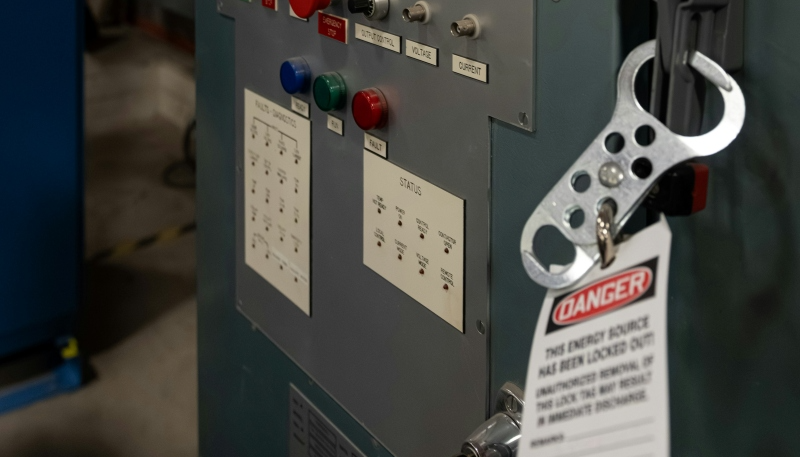
Supervisor Severely Injured After Entering Live Palletiser
Fri 28th Aug 2026

Worker Crushed In Unsupported Trench Causes Prosecution
Wed 9th Sep 2026


Worker Crushed In Unsupported Trench Causes Prosecution
Wed 9th Sep 2026

Worker Suffers Arm Fractures After Unguarded Conveyor
Fri 4th Sep 2026

Farmer Fined After ATV Overturn Kills Employee
Fri 4th Sep 2026


Public Injured When Scrap Metal Pile Collapsed
Wed 2nd Sep 2026
Supervisor Severely Injured After Entering Live Palletiser
Fri 28th Aug 2026
Worker Fractures Twelve Ribs During Pillar Drill Lifting Incident
Wed 26th Aug 2026