
2026 Trending Topics for UK Safety Professionals

2026 Trending Topics for UK Safety Professionals

From mental health and occupational illness to regulation, road risk and smarter safety culture, the profession’s focus is broadening fast. In 2026, safety professionals are being asked to do more than maintain compliance — they are being called on to shape healthier, more resilient and more forward-looking organisations.
The role of the safety professional in the UK continues to evolve. While preventing accidents and maintaining compliance remain central, the conversation in 2026 is clearly wider than that. Across industries, there is growing recognition that effective safety leadership is not only about controlling immediate physical risks, but also about protecting long-term health, anticipating change, and influencing organisational culture.
This shift is changing both the priorities and expectations placed on the profession. The topics attracting the most attention this year are those that sit at the intersection of legal duty, operational performance and workforce wellbeing. For safety professionals, that means balancing traditional responsibilities with a stronger focus on occupational health, competence, data, and strategic readiness.
Mental health and work-related stress remain front and centre
One of the defining themes of 2026 is the continued rise of mental health and work-related stress as core safety issues. These are no longer treated as peripheral concerns or matters to be left solely to HR. They are increasingly recognised as part of the wider risk landscape that safety professionals must help organisations understand and manage.
That means moving beyond general wellbeing messages and taking a more structured approach to stress risk. Workload pressures, lack of role clarity, poor communication, organisational change, fatigue and insufficient support are all receiving closer scrutiny. The expectation is not simply that employers acknowledge stress, but that they assess it properly and take practical steps to reduce it.
For safety professionals, this reflects a broader truth: the health of a workforce is now seen as a key measure of how strong an organisation’s safety culture really is.
Occupational health is gaining ground alongside traditional safety
Another major trend is the growing emphasis on occupational health. The conversation is shifting from a narrow focus on incident prevention to a more rounded understanding of workplace harm, including the risks that build gradually over time.
Exposure to dust, noise, vibration, repetitive strain, poor manual handling, fatigue and harmful substances is receiving renewed attention. These issues may not always result in immediate incidents, but they can have a lasting impact on people, productivity and absence levels.
For safety professionals, this means taking a longer view. It is no longer enough to ask whether people are safe today. Increasingly, the real test is whether they are being protected from the health consequences of work over months, years and entire careers.
Regulatory change is driving a need for sharper preparedness
Regulation remains a major area of focus in 2026, particularly where it affects operational planning and accountability. Safety professionals are expected not only to understand the rules, but to interpret what they mean in practice and help organisations respond in a controlled, realistic way.
This is especially important in areas where legal duties are evolving, scrutiny is increasing, or enforcement expectations are shifting. Senior leaders want clarity on what needs to change, how quickly action is required, who owns the response, and what evidence will demonstrate compliance.
As a result, one of the most valuable capabilities in the profession today is the ability to translate regulation into practical action. Horizon scanning, clear communication and implementation planning are becoming just as important as technical knowledge.
Work-related road risk is moving higher up the agenda
For many organisations, one of the most significant workplace risks does not happen on site at all. It happens on the road.
In 2026, work-related road risk is becoming a more visible topic across the UK. Businesses with drivers, engineers, field teams, delivery staff, fleet vehicles or grey fleet arrangements are increasingly recognising that occupational driving sits firmly within the safety remit.
This is pushing more organisations to review driver training, fatigue controls, journey planning, vehicle checks, reporting procedures and policy standards. For safety professionals, it is another example of the role broadening beyond the boundaries of the physical workplace.
The key message is clear: where people drive for work, road risk must be treated as a core safety issue, not a separate transport concern.
Competence and professional development remain essential
In a changing environment, competence continues to be one of the profession’s most important foundations. Employers want assurance that risk is being managed by people who not only hold qualifications, but can apply sound judgement in real situations.
That is why training, development and role-specific capability remain high on the agenda. The conversation is moving beyond attendance and certification alone, towards a deeper focus on whether people truly understand their responsibilities and can act effectively when needed.
For safety professionals, that applies internally as well as across the wider workforce. The demand for practical knowledge, sector awareness, communication skills and credible leadership is growing. In 2026, competence is not simply a requirement to document. It is a quality that organisations are under increasing pressure to demonstrate.
Safety culture is becoming more evidence-based
Safety culture remains one of the most discussed topics in the profession, but the way it is being talked about is changing. Broad statements about culture are giving way to more evidence-based conversations about what good culture actually looks like and how it can be measured.
That means greater interest in leading indicators, audit findings, near-miss reporting, behavioural observations, inspection trends, absence data and other signals that can reveal emerging problems before they become serious incidents.
For safety professionals, this creates an opportunity to strengthen influence. When culture is backed by meaningful data, it becomes easier to identify trends, make the case for intervention and show how safety performance connects to wider organisational outcomes.
The direction of travel is unmistakable: organisations want to be more proactive, and safety teams are expected to help them get there.
Technology and AI are emerging as practical tools
Technology continues to attract interest across the sector, particularly where it can make risk management more visible, timely and effective. Digital reporting systems, inspection tools, wearables, analytics platforms and AI-supported monitoring are all becoming part of the wider conversation.
For most safety professionals, however, the key question is not whether technology sounds innovative. It is whether it works in practice. Can it improve reporting quality? Can it reduce blind spots? Can it help identify patterns earlier? Can it support better decision-making without creating unnecessary complexity?
That practical mindset is likely to define the strongest technology discussions in 2026. The profession is interested in innovation, but it remains grounded in outcomes.
A broader, more strategic profession
Taken together, these trends show a profession that is becoming broader in scope and more strategic in its influence. Safety professionals are being asked to look beyond immediate hazards and engage more deeply with health, behaviour, leadership, competence and long-term prevention.
The strongest priorities this year are likely to include managing psychosocial risk more effectively, giving occupational health greater prominence, staying ahead of regulation, treating road risk more seriously, building competence at every level, using data more intelligently and adopting technology where it brings real value.
What links all of these topics is a stronger emphasis on prevention, insight and influence. The profession is moving further upstream, identifying risk earlier and helping organisations act before issues escalate.
Editor’s note
The themes shaping 2026 reflect a simple but important reality: safety is no longer viewed through a narrow lens. Today’s safety professionals are expected to combine technical expertise with leadership, judgement and a broader understanding of how work affects people over time.
That presents a challenge, but also a significant opportunity. As the agenda expands, so does the profession’s value. Those who can connect compliance with culture, health with performance, and data with action will be well placed to lead the conversation in the year ahead.
Tags: article, strategy, core health & safety, mental health, compliance

In Other News




Sign up to our newsletter
Most Read


Worker Crushed In Unsupported Trench Causes Prosecution
Wed 9th Sep 2026
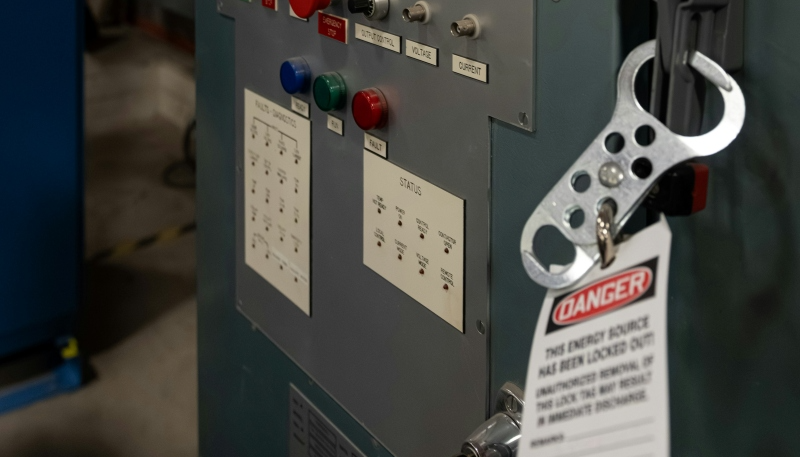
Supervisor Severely Injured After Entering Live Palletiser
Fri 28th Aug 2026


Worker Crushed In Unsupported Trench Causes Prosecution
Wed 9th Sep 2026



Worker Suffers Arm Fractures After Unguarded Conveyor
Fri 4th Sep 2026

Farmer Fined After ATV Overturn Kills Employee
Fri 4th Sep 2026

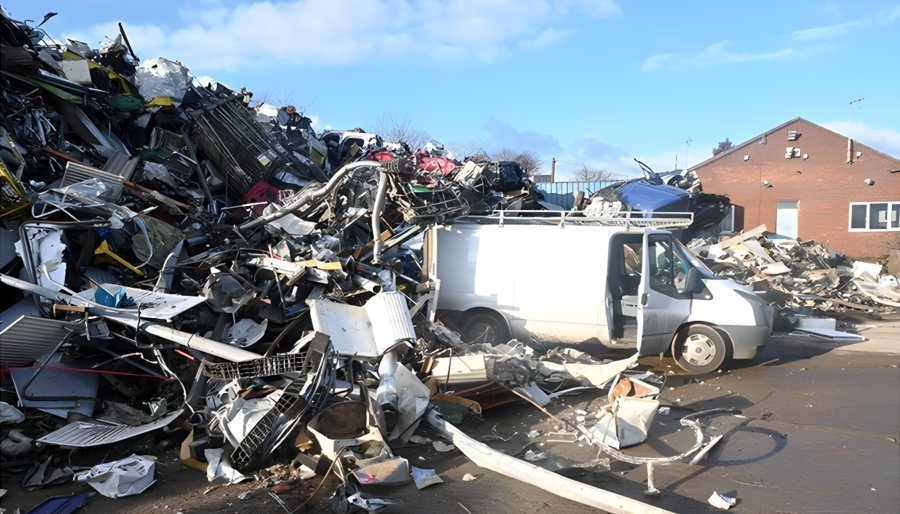
Public Injured When Scrap Metal Pile Collapsed
Wed 2nd Sep 2026
Supervisor Severely Injured After Entering Live Palletiser
Fri 28th Aug 2026
Worker Fractures Twelve Ribs During Pillar Drill Lifting Incident
Wed 26th Aug 2026