
Chemicals Company Fined After Caustic Soda Burns Incidents
Fri 24th Apr 2026 by HS Hub
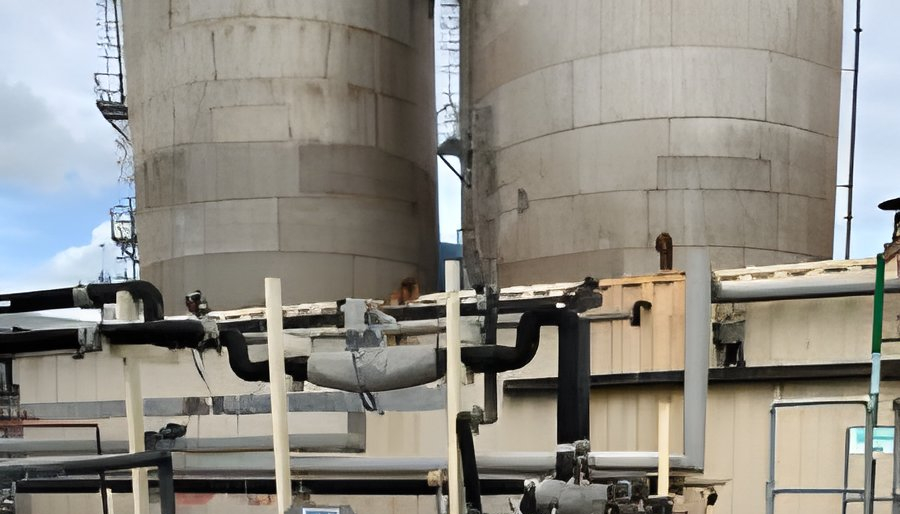
Chemicals Company Fined After Caustic Soda Burns Incidents

Brief Summary
Major chemicals company was prosecuted and fined £3.8 million after HSE found clear failures in how risks from sodium hydroxide were assessed and controlled, resulting in severe chemical burns to two employees at different locations.
What Was The Incident?
At a West Thurrock site in December 2019, an employee stepped into a puddle of liquid suspected to contain caustic soda while walking near areas around the boiler house. His provided safety boots were not in good condition and did not provide adequate protection, and the site had leaks and poor arrangements for inspection, maintenance and testing of pipework and equipment. In August 2022 at Titan Works in Grays, another employee manually decanted caustic soda using a hose to top up intermediate bulk containers. After repeating the task three times, drips from the hose fell onto his foot, causing burns that later required skin grafts to heal.
What Was The Outcome?
The company pleaded guilty to two charges of breaching Regulation 7(1) of the Control of Substances Hazardous to Health Regulations 2002. The company was fined £3.8 million and ordered to pay costs of £124,748 at Southwark Crown Court on 21 April 2026. Following the 2022 incident, the use of 25 litre containers was stopped and IBCs were delivered to site already mixed to the required concentration, removing the need for manual handling of caustic soda.
Key Points To Consider
Assess and control risks consistently across sites. HSE found the same underlying issue at both locations, where risk assessment and control measures for hazardous substances handling and containment were not properly established or applied.
Prevent exposure through reliable equipment and leak management. The 2019 incident was linked to multiple leaks from pipework, valves, hoses and vessels and a lack of suitable inspection, maintenance and testing systems to reduce the likelihood of leaks.
Design safe routes and reduce spill and puddle accumulation. In West Thurrock, systems did not account for spillages, controls for clearing them up were inadequate, the ground was unmade and there were insufficient designated or enforced walkways for safe movement.
Avoid reliance on PPE as the primary control. For the 2019 incident, provided boots were not in good condition and did not provide adequate chemical protection, reinforcing that PPE should not be the main barrier where exposure can be avoided or controlled.
Use safer processes and automate where reasonably practicable. For the 2022 decanting task, HSE found no risk assessment or documented safe system of work, and it was possible to automate using an existing dosing plant with fixed pipework and remote controls, which supported the later decision to stop 25 litre containers and deliver premixed IBCs.
Editor’s Note:
The size of this fine reflects more than two isolated burns incidents. HSE identified repeated and serious failures in how caustic soda risks were assessed and controlled across different sites, over a period of years. This involved leaks, poor maintenance arrangements, inadequate walkways, unsuitable PPE, and a manual decanting process that could have been avoided through safer engineering controls. In other words, the court was not just looking at the injuries, but at the scale of the foreseeable risk, the persistence of the failings, and the fact that safer systems were reasonably practicable. For hazardous substances, especially caustic chemicals, weak COSHH controls can quickly move a case into very high fine territory.
Tags: regulatory, news, coshh, ppe, manual handling, spill control, hazmat

In Other News


Sign up to our newsletter
Most Read


Worker Crushed In Unsupported Trench Causes Prosecution
Wed 9th Sep 2026
Supervisor Severely Injured After Entering Live Palletiser
Fri 28th Aug 2026


Worker Crushed In Unsupported Trench Causes Prosecution
Wed 9th Sep 2026


Worker Suffers Arm Fractures After Unguarded Conveyor
Fri 4th Sep 2026

Farmer Fined After ATV Overturn Kills Employee
Fri 4th Sep 2026

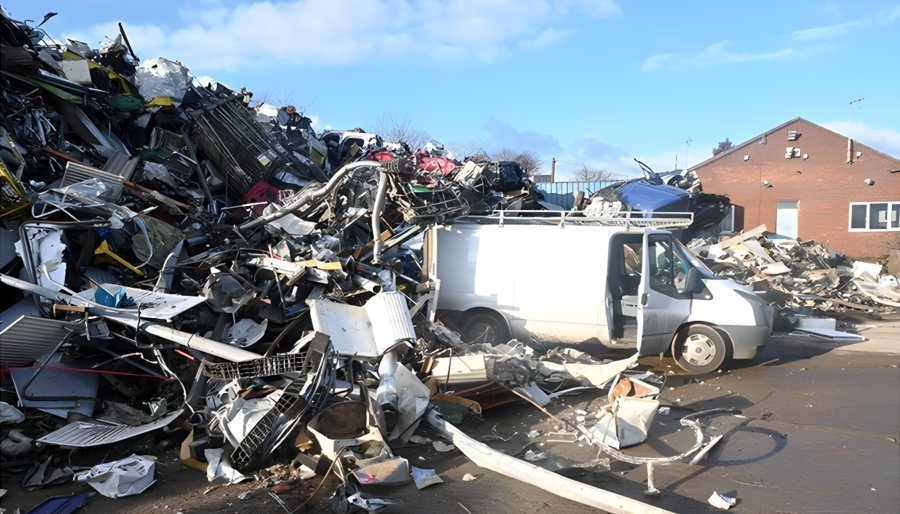
Public Injured When Scrap Metal Pile Collapsed
Wed 2nd Sep 2026
Supervisor Severely Injured After Entering Live Palletiser
Fri 28th Aug 2026
Worker Fractures Twelve Ribs During Pillar Drill Lifting Incident
Wed 26th Aug 2026