Employer Fined After Collapse During Wind Turbine Blade Construction
Tue 26th May 2026 by HS Hub

Employer Fined After Collapse During Wind Turbine Blade Construction

Brief Summary
An incident during the construction of a wind turbine blade in Hull resulted in life changing injuries. HSE found serious failures in risk assessment, the design and implementation of safe systems of work, and employee training, which allowed unsafe working methods. The employer pleaded guilty to breaching the Health and Safety at Work etc Act 1974 and was fined £600,000 with costs.
What Was The Incident?
On 18 July 2024, an employee was carrying out work related to the construction of a wind turbine blade, building the web section of the blade. While preparing the pre cast web section for wrapping, the structure collapsed and fell towards the employees after support poles were removed. The pre cast section sits at the root end of the blade and can weigh about 800 kg before additional materials are added. The employee suffered paralysis from the waist down.
What Was The Outcome?
The employer pleaded guilty to breaching Section 2(1) of the Health and Safety at Work etc Act 1974. It was fined £600,000 and ordered to pay £7980.80 in costs at Grimsby Magistrates Court on 22 May 2026. Following the incident, a lock off approach was implemented so support poles are locked in place and can only be unlocked by a nominated person once the relevant stage of the build has been completed.
Key Points To Consider
Risk assess high risk construction tasks fully. Where work involves heavy components and changing support conditions, risk assessment must identify the specific hazards created during each build stage and not just the task in isolation.
Build robust safe systems of work that prevent key changes. Safe systems must be designed to stop or control the removal of supports in a way that avoids catastrophic collapse, rather than relying on employees to manage the risk themselves.
Do not let protective measures be undermined by secondary controls. If measures are put in place to prevent major incidents in high risk areas, secondary controls such as lock off procedures should also be used so the protective arrangements cannot be inadvertently bypassed.
Ensure training supports the safe method not informal practice. Employees need clear training in the required safe working methods, with emphasis on what must not happen during each stage, because inadequate training can lead to unsafe practices.
Use post incident controls to remove opportunities for unsafe decisions. After the incident, support poles were locked in place and only unlocked by a nominated person with a key, showing how procedural controls can reduce the risk of unapproved changes to support arrangements.
Tags: regulatory, news, construction safety, lockout tagout, safety training, incident management, compliance
In Other News



Sign up to our newsletter
Most Read



Electrical Company Fined After Worker Crushed By Unsecured Load
Fri 16th Oct 2026
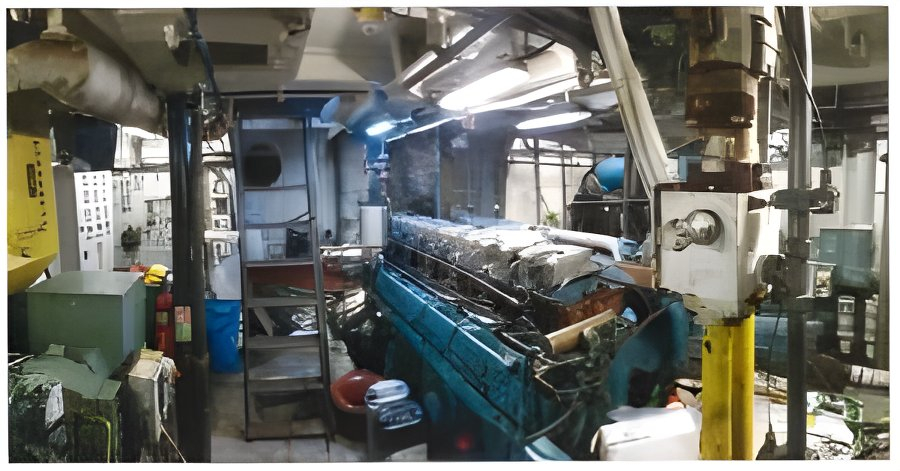
Apprentice Dies After Engine Room Fire Suppression Activation
Fri 16th Oct 2026

Life Changing Injury During Filming From A Moving Vehicle
Thu 15th Oct 2026

HSE Urges Early Action On Noise And Vibration Risks
Tue 13th Oct 2026
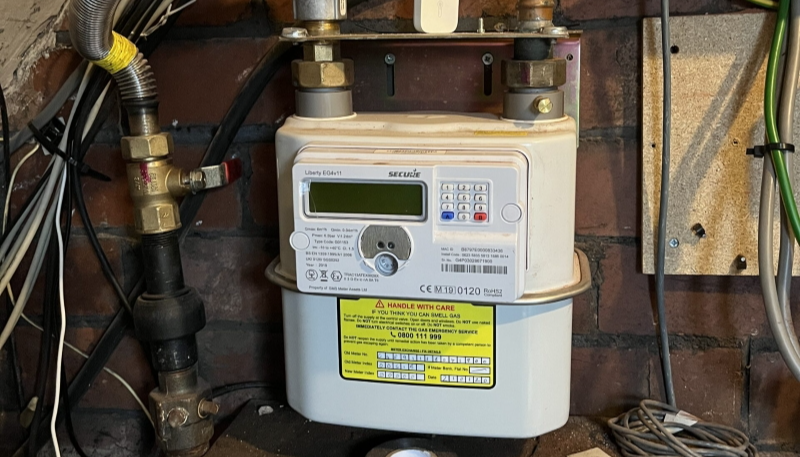
Landlord Sentenced For Failing To Arrange Annual Gas Safety Checks
Mon 12th Oct 2026

Worker Suffers Partial Thumb Loss During Manual Handling Task
Wed 7th Oct 2026