Crown Censure Authorised After Fatal Tank Explosion
Wed 1st Jul 2026 by HS Hub
Crown Censure Authorised After Fatal Tank Explosion

Brief Summary
This case follows a deadly tank explosion during military activity in Pembrokeshire. It highlights the need for a robust safety case, clear accountability, and effective control of risks where equipment failure could have catastrophic consequences.
What Was The Incident?
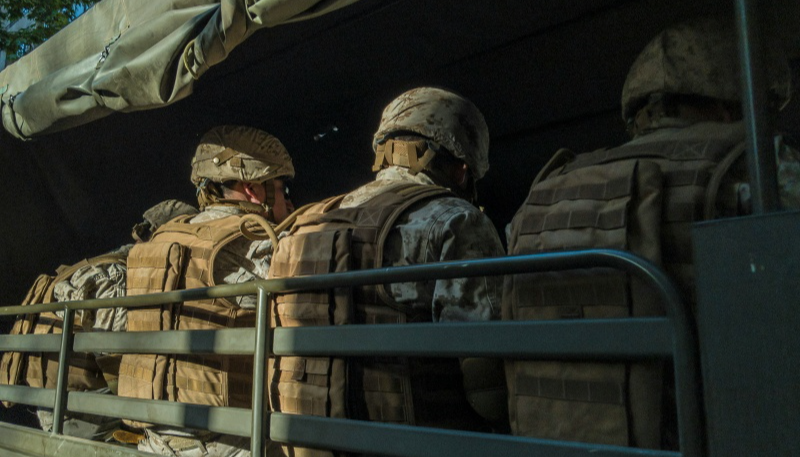
An L30 gun exploded on a Challenger 2 tank at Castlemartin Range in Pembrokeshire on 14 June 2017. Two soldiers died and two others were injured, with one suffering life changing injuries. The contractor was responsible for producing the safety case for the tank and gun, while the Ministry of Defence held ultimate responsibility for the health, safety and welfare of its soldiers and for the suitability and sufficiency of the safety case.
What Was The Outcome?
Following an HSE investigation, a Crown Censure was authorised for the Ministry of Defence under section 2 of the Health and Safety at Work etc Act 1974. A charge was also authorised against the defence contractor under section 3 of the same Act. HSE noted that neither the charge nor the Crown Censure is a finding of guilt, and no other organisations or individuals have been charged.
Key Points To Consider
Treat the safety case as a critical control. Where high risk equipment is involved, the safety case must be suitable, sufficient, and kept under proper scrutiny. It is not just a document, but a key part of managing serious risk.
Know who holds final responsibility. Even when work is carried out by a contractor, the client or duty holder may still retain ultimate responsibility for worker safety and for checking that controls are adequate.
Manage risks with lethal equipment. Equipment that can fail with fatal consequences needs strong design assurance, clear verification, and ongoing control measures proportionate to the hazard.
Investigate and challenge assumptions. A safety case should be tested, reviewed, and challenged where necessary rather than accepted at face value, especially where the consequences of failure are severe.
Understand enforcement can follow long after an incident. This case shows that major incidents may lead to serious enforcement action years later, so records, governance, and decision making need to stand up to scrutiny over time.
Tags: regulatory, news, contractor safety, machinery safety, incident management, core health & safety
In Other News


Sign up to our newsletter
Most Read




Runaway Vehicle During Recovery Operation Causes Serious Injuries
Fri 16th Oct 2026
Electrical Company Fined After Worker Crushed By Unsecured Load
Fri 16th Oct 2026

Life Changing Injury During Filming From A Moving Vehicle
Thu 15th Oct 2026


HSE Urges Early Action On Noise And Vibration Risks
Tue 13th Oct 2026
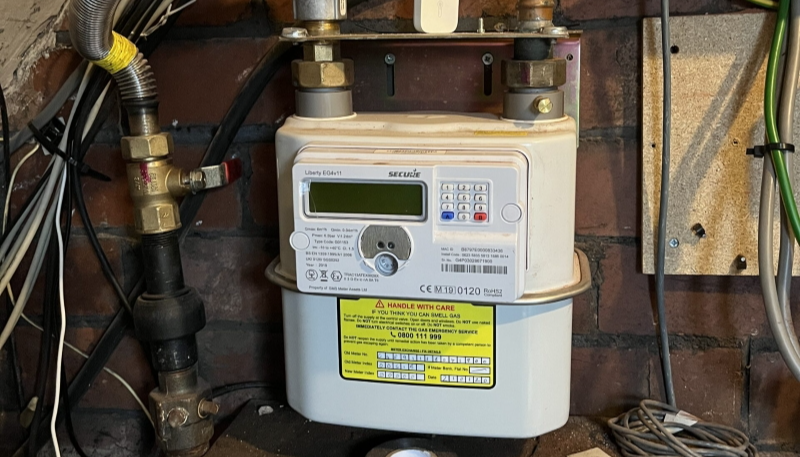
Landlord Sentenced For Failing To Arrange Annual Gas Safety Checks
Mon 12th Oct 2026


Worker Suffers Partial Thumb Loss During Manual Handling Task
Wed 7th Oct 2026