
Fined After Fatal Repair Incident Involving Industrial Overhead Door
Fri 19th Jun 2026 by HS Hub
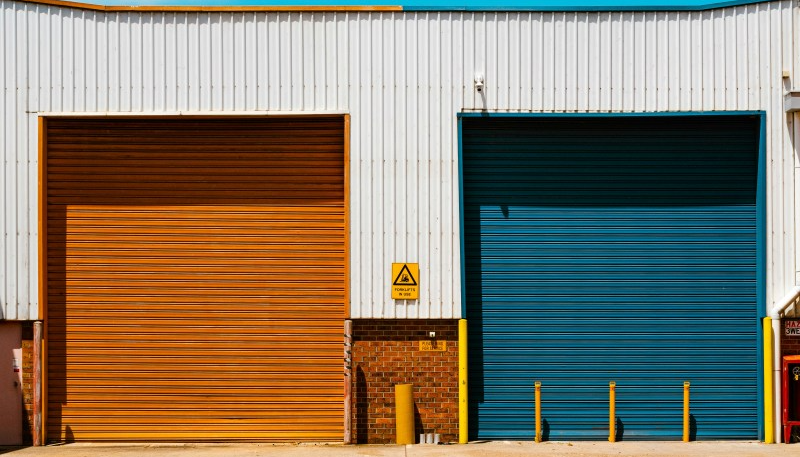
Fined After Fatal Repair Incident Involving Industrial Overhead Door

Brief Summary
An employer was fined £400,000 after a maintenance worker suffered fatal injuries while attempting to repair an electrically operated sectional overhead door at a manufacturing facility. The investigation found poor door maintenance following previous incidents, no routine inspection or preventative maintenance programme, and that the worker was allowed to carry out high risk repairs without suitable training, alongside failures in risk assessment, safe system of work, and provision of appropriate tools and equipment.
What Was The Incident?
On 5 September 2022, a 59 year old maintenance worker was carrying out maintenance on an electrically operated sectional overhead door. While attempting to re tension the door springs using an industrial wrench, the tool slipped, and the spring unwound in an uncontrolled manner. The wrench was ejected and struck the worker, causing catastrophic injuries from which he died the following day.
What Was The Outcome?
The employer pleaded guilty to breaching Section 2(1) of the Health and Safety at Work etc Act 1974 and Regulation 5(1) of PUWER. It was fined £400,000 and ordered to pay £17,854 in costs.
Key Points To Consider
Treat powered sectional overhead doors as high risk work equipment. Where doors involve stored energy in springs, maintenance and repair should be treated as a high risk activity requiring proper controls, suitable tools, and competent people.
Implement routine inspection and preventative maintenance. Failure to have a routine inspection and preventative maintenance programme allowed deterioration, even after two earlier incidents involving failing doors that injured employees.
Only allow repairs where workers are suitably trained. The case highlighted that repeatedly permitting high risk door repairs without suitable training undermines control measures and increases the likelihood of catastrophic outcomes.
Use suitable risk assessments and safe systems of work. The investigation found the employer did not carry out a suitable risk assessment or establish a safe system of work for the repairs being attempted.
Do not ignore previous incidents involving the same hazards. Despite earlier overhead door incidents, the employer had not recognised the underlying risks and had not acted to prevent deterioration being missed or unmanaged.
Tags: regulatory, news, machinery safety, electrical safety, safety training, lockout tagout, permit to work

In Other News

Sign up to our newsletter
Most Read


Worker Crushed In Unsupported Trench Causes Prosecution
Wed 9th Sep 2026
Supervisor Severely Injured After Entering Live Palletiser
Fri 28th Aug 2026



Worker Crushed In Unsupported Trench Causes Prosecution
Wed 9th Sep 2026

Worker Suffers Arm Fractures After Unguarded Conveyor
Fri 4th Sep 2026

Farmer Fined After ATV Overturn Kills Employee
Fri 4th Sep 2026

Public Injured When Scrap Metal Pile Collapsed
Wed 2nd Sep 2026
Supervisor Severely Injured After Entering Live Palletiser
Fri 28th Aug 2026
Six Figure Fine After Repeated Corrosion Under Insulation Leaks
Wed 26th Aug 2026