
Food Manufacturer Fined After Excess Dust and Unsafe Cleaning Practices
Mon 20th Jul 2026 by HS Hub
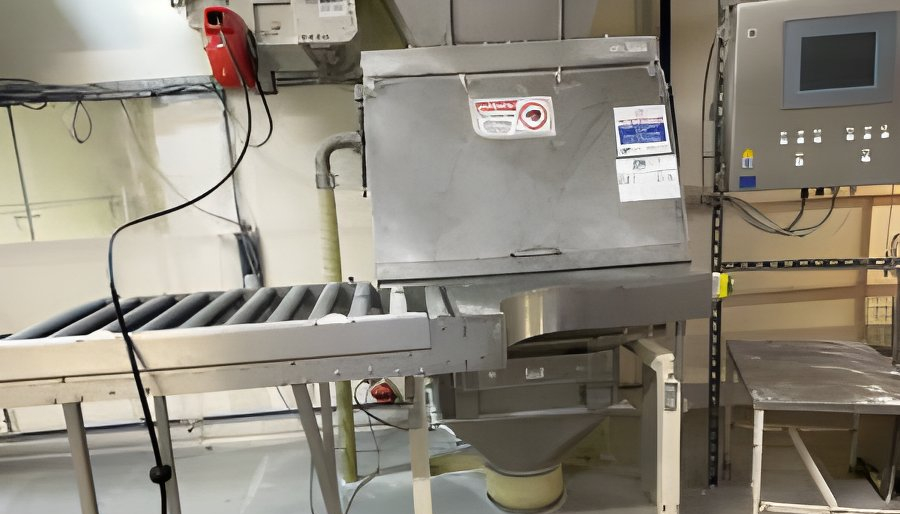
Food Manufacturer Fined After Excess Dust and Unsafe Cleaning Practices

Brief Summary
An HSE inspection found unsafe dust control and cleaning practices at a food manufacturing site, with monitoring confirming employees were exposed to inhalable dust concentrations above workplace exposure limits. The case also involved daily manual lifting of heavy ingredient sacks, and the employer had previously been inspected for similar dust and manual handling risks. The employer pleaded guilty and was fined.
What Was The Incident?
HSE found that dust was escaping from machinery due to leaks, compressed airline equipment was being used to blow down dust deposits, and dry sweeping with brushes and brooms was being used. An additional workplace dust monitoring report confirmed that employees were exposed to inhalable dust concentrations above HSE workplace exposure limits. The investigation also identified that workers were required to manually lift 25 kg sacks of ingredients each day, creating repeated manual handling of heavy loads.
What Was The Outcome?
The employer pleaded guilty to breaching Section 2(1) of the Health and Safety at Work etc. Act 1974. A fine of £120,000 was imposed, and costs of £6,270 were ordered.
Key Points To Consider
Control exposure to inhalable dust. Check that dust is prevented from escaping machinery and that process and maintenance issues such as leaks are addressed so workers are not exposed to inhalable dust above workplace limits.
Stop unsafe cleaning methods. Avoid practices that release dust back into the workplace, including using compressed airlines to blow down deposits and dry sweeping with brushes or brooms.
Use dust monitoring to verify control. When there is a risk from dusty ingredients, testing and monitoring should confirm that inhalable dust levels are within workplace exposure limits, not just that controls are in place.
Eliminate or reduce heavy manual handling. Where reasonably practicable, reduce the need for repeated manual lifting of heavy sacks, because repeated handling increases the risk of musculoskeletal injury.
Respond to repeated exposure risks. If the business has previously faced enforcement related to dust and manual handling, treat this as a signal to review and improve controls rather than repeating the same unsafe practices.
Tags: regulatory, news, coshh, manual handling, machinery safety, occupational health
In Other News



Sign up to our newsletter
Most Read



Apprentice Dies After Engine Room Fire Suppression Activation
Fri 16th Oct 2026
Electrical Company Fined After Worker Crushed By Unsecured Load
Fri 16th Oct 2026

Life Changing Injury During Filming From A Moving Vehicle
Thu 15th Oct 2026


HSE Urges Early Action On Noise And Vibration Risks
Tue 13th Oct 2026
Landlord Sentenced For Failing To Arrange Annual Gas Safety Checks
Mon 12th Oct 2026


Worker Suffers Partial Thumb Loss During Manual Handling Task
Wed 7th Oct 2026