
Apprentice Dies After Engine Room Fire Suppression Activation
Apprentice Dies After Engine Room Fire Suppression Activation
Brief Summary
An apprentice was killed when gases from an unexpectedly triggered fire suppression system filled a small enclosed engine room. An investigation found no coordinated safe system of work for multiple contractors, poor housekeeping and no effective emergency or rescue plan. The employer pleaded guilty to breaches of the Health and Safety at Work etc. Act 1974 and was fined. The case shows practical failures that health and safety professionals should review for confined space and contractor managed work.
What Was The Incident?
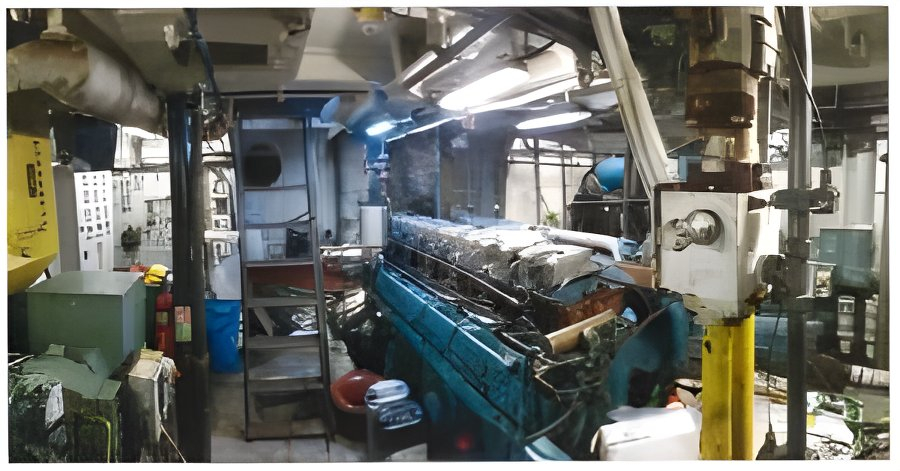
Workers were installing a fire suppression system in the engine room of a trawler when the system activated unexpectedly. The small enclosed space had a single access route accessed by ladder and a hatch so only one person could pass at a time. The activation filled the room with hot toxic gases and a gas jet above 75°C. Three colleagues escaped but one 20 year old apprentice engineer was overcome by carbon monoxide and other substances and could not get out. Colleagues attempted a rescue and fire and rescue later recovered the worker but he could not be revived. The Health and Safety Executive found that risks from several contractors working together had not been assessed, the work was poorly coordinated, the area had poor lighting and trip hazards, and there was no permit to work or effective emergency and rescue arrangements.
What Was The Outcome?
The employer pleaded guilty to two offences under the Health and Safety at Work etc. Act 1974 and was fined £100,000 and ordered to pay costs of £27,906. The prosecution noted failures to plan and coordinate installation and maintenance activities and to make practicable arrangements for rapid rescue and medical attention for people working in a restricted space.
Key Points To Consider
Use a permit to work and coordinate contractors. Confirm work in confined spaces is controlled by a permit to work or equivalent system, appoint a single coordinator for contractor activities, limit the number of people in confined spaces and set clear written responsibilities before work starts.
Plan and test emergency rescue arrangements. Verify rescue plans are specific to the work location, include rapid extraction methods, trained rescuers and equipment, and run regular drills so rescue times and handover to medical services are practicable.
Check risk assessments and on site conditions. Ensure risk assessments address thermal and toxic hazards, ventilation, lighting and trip hazards, require incremental isolation of hazards during installation, and confirm competence of all contractors and the adequacy of site housekeeping.
Tags: regulatory, news, confined spaces, permit to work, contractor safety, emergency planning, rescue
In Other News


HSE Urges Early Action On Noise And Vibration Risks
Tue 13th Oct 2026
Landlord Sentenced For Failing To Arrange Annual Gas Safety Checks
Mon 12th Oct 2026
Sign up to our newsletter
Most Read








Construction Company Fined After Fatal Fall From First Floor
Fri 2nd Oct 2026


Worker Killed After Access Through Guarding On Conveyor
Tue 29th Sep 2026

Pedestrian Killed At Bus Station After Poor Crossing Design
Fri 25th Sep 2026