Safe Maintenance Management: Controlling Planned Work, Breakdowns And Equipment Isolation
Thu 8th Oct 2026 by HS Hub
Safe Maintenance Management: Controlling Planned Work, Breakdowns And Equipment Isolation

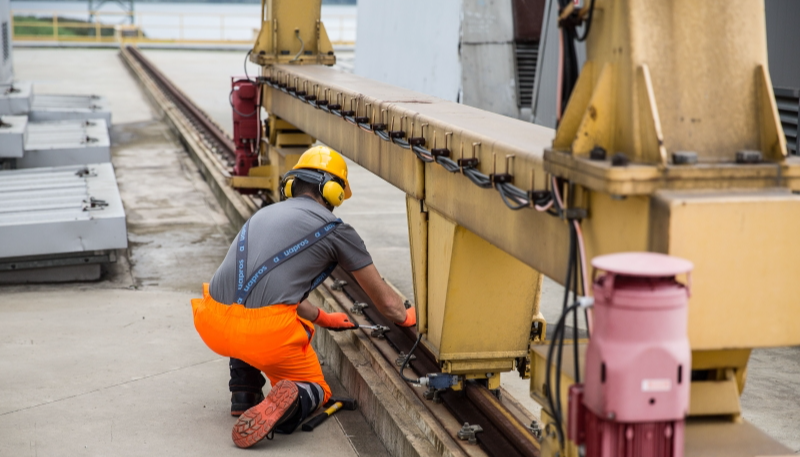
Maintenance risk is shaped by the condition of the equipment, the intervention required and the controls in place while normal safeguards may be unavailable. Managers responsible for work equipment in Great Britain need arrangements that cover equipment condition, competent maintenance, isolation, safe access and the control of work that develops unexpectedly following a breakdown.
Treat Breakdowns As A Change In Working Conditions
A fault often changes the circumstances under which people interact with equipment. Guards may need to be removed, access may be required to areas that are normally enclosed and workers may need to diagnose a problem before the full repair method is known. HSE describes maintenance as work that may be planned or undertaken at short notice and warns that it can expose those involved and other people to a range of risks.
Supervisors should therefore control the transition from operation to maintenance. A machine stopping unexpectedly is not, by itself, evidence that it is safe to approach or work on. The sources of energy and the possibility of movement need to be considered before work starts.
Use Isolation As A Defined Work Control
Safe maintenance depends on equipment being put into a condition in which the intended work can be carried out without uncontrolled energisation or movement. HSE advises stopping moving plant and isolating electrical and other power sources. Secure isolation should prevent energy being inadvertently reintroduced.
Managers should check whether the isolation method deals with the equipment as a complete system. Hydraulic pressure, compressed air and other stored energy can remain after electrical power is disconnected. Plant connected to pressurised pipelines may require valves to be isolated and locked off. Components capable of falling may need physical support.
Where maintenance cannot avoid a particular hazard, HSE advises appropriate protective measures. These may involve temporary guarding, controlled operating modes, safe access, supervision and suitable competence for the work.
Set Clear Boundaries For High-Risk Work
Some maintenance needs a formal work-control system. HSE identifies permit-to-work arrangements as a means of controlling higher-risk jobs where responsibilities, isolations and precautions need to be communicated between those authorising, supervising and carrying out the work.
Permits can be relevant to maintenance requiring electrical or mechanical isolation and to work involving hazardous plant conditions. They should identify the work authorised and the precautions required. Where work continues across shifts, the equipment should be left in a safe condition and information passed to the next shift. Completion should also include a controlled handover of plant.
Managers should treat a permit as one part of the control system. HSE states that issuing a permit does not, by itself, make the job safe.
Verify Competence Before Assigning The Work
Job title alone does not establish whether someone can safely complete a maintenance activity. HSE advises that maintenance should be undertaken by people with the skills, knowledge and experience required for the work. Specialist contractors or manufacturers may be appropriate for complex or higher-risk equipment.
Electrical work needs particular attention to competence. The level required depends on the complexity and knowledge demanded by the task. Where a person cannot demonstrate the necessary competence, HSE states that they should not be allowed to undertake the work unless supervised by someone who can.
This should be reflected in call-out arrangements. A reactive maintenance roster should not give someone authority to undertake work outside the limits of their competence.
Use Planned Maintenance To Reduce Unsafe Intervention
PUWER requires work equipment to be maintained in an efficient state, efficient working order and good repair. HSE advises establishing planned maintenance arrangements and a reporting procedure for workers who identify damaged or faulty equipment.
Inspection also matters where equipment is exposed to conditions that could cause deterioration and create a dangerous situation. Managers should know which items contain safety-related parts whose deterioration requires inspection and how identified defects are taken out of service or corrected.
Manufacturer maintenance instructions can inform the programme, particularly where safety-related parts or functions are involved.
Control The Return To Service
Maintenance control should extend through completion. Repairs to safety-related equipment should not adversely affect the way safety measures operate. HSE also advises permit systems to include a process for handing plant back when work is finished.
For management assurance, this means knowing who confirms that guards, controls and other protective measures have been restored and that the equipment can return to normal operation.
Common Compliance Gaps
Weaknesses can arise where isolation addresses the electrical supply but misses stored or secondary energy, repair work begins before responsibilities are clear, or maintenance personnel work outside their demonstrated competence. Other problems include unresolved defect reports, maintenance during production without suitable separation and returning equipment to service without checking that protective measures have been restored.
Manager Checklist
- Check how equipment is transferred from normal operation into a controlled maintenance state.
- Verify that isolation procedures address every relevant energy source and stored energy.
- Define which maintenance activities require formal authorisation or a permit-to-work.
- Confirm that call-out personnel understand the limits of work they are competent to undertake.
- Review whether planned servicing and inspection address safety-related deterioration.
- Check how employees report defects and how unsafe equipment is prevented from further use.
- Examine handover arrangements where maintenance continues across shifts.
- Confirm how equipment is checked and released back into normal operation.
Frequently Asked Questions
Is reactive maintenance subject to different safety requirements from planned maintenance?
The timing may differ, but HSE guidance requires maintenance to be correctly planned and carried out safely whether it forms part of a planned programme or follows a breakdown at short notice.
What energy sources should an isolation procedure consider?
Depending on the equipment, isolation may need to address electrical, mechanical, hydraulic and pneumatic energy, together with stored energy that could cause movement.
Who should carry out specialist maintenance?
HSE advises that high-risk or complex equipment may be best maintained by manufacturers or specialist contractors. In-house work is appropriate where staff have the competence required for the task.
Does maintenance equipment need inspection as well as servicing?
Where work equipment is exposed to conditions causing deterioration that could create a dangerous situation, PUWER requires inspection so deterioration can be detected and dealt with in good time.
What should happen before maintained equipment is put back into use?
The arrangements should provide for controlled completion and handover. Repairs to safety-related equipment should not prevent protective measures from operating correctly.
Tags: article, core health & safety, compliance, lockout tagout
In Other News



Sign up to our newsletter
Most Read



Apprentice Dies After Engine Room Fire Suppression Activation
Fri 16th Oct 2026

Runaway Vehicle During Recovery Operation Causes Serious Injuries
Fri 16th Oct 2026

Life Changing Injury During Filming From A Moving Vehicle
Thu 15th Oct 2026


HSE Urges Early Action On Noise And Vibration Risks
Tue 13th Oct 2026
Landlord Sentenced For Failing To Arrange Annual Gas Safety Checks
Mon 12th Oct 2026

Worker Suffers Partial Thumb Loss During Manual Handling Task
Wed 7th Oct 2026