Worker Suffered Severe Burns After Chain Failure During Galvanising
Tue 20th Oct 2026 by HS Hub
Worker Suffered Severe Burns After Chain Failure During Galvanising

Brief Summary
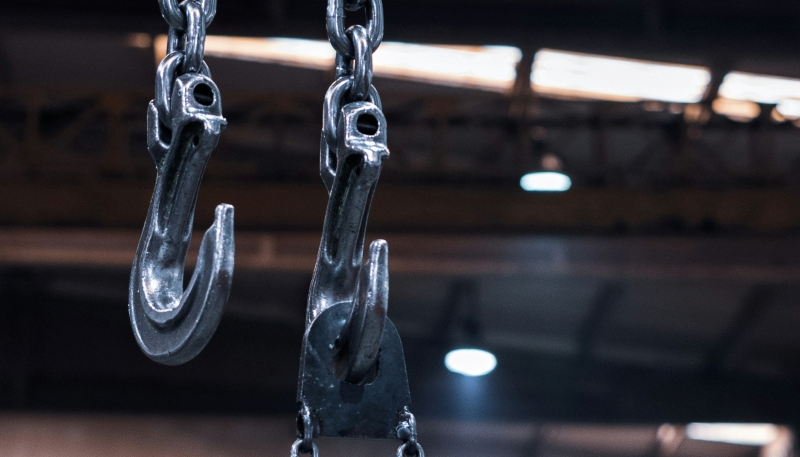
A worker was badly burned when a damaged lifting chain failed while moving a near three tonne steel beam into a galvanising bath. The investigation found worn chains that had not been inspected as required and an incorrect slinging arrangement that overloaded the lifting gear. The case shows the consequences of weak lifting equipment inspection and incomplete risk assessments for immersion activities.
What Was The Incident?
On 12 October 2021 a lifting chain carrying a roller steel joist of nearly three tonne failed during a hot dip galvanising operation at a site in Devon. The beam fell into a bath of molten zinc and the resulting wave covered a 33 year old worker. He suffered 40 per cent burns, was taken by air ambulance to hospital, spent 11 days in intensive care and underwent 13 operations. He later developed infection and sepsis and now has multiple long term health conditions. The HSE investigation found the set of chains showed damage and deterioration and had not been withdrawn. The chains had not received their mandatory regular thorough examination. The load slinging arrangement was incorrect so the load exceeded the safe limit for the chains. The site risk assessment for immersion and swilling made no reference to checks on chains or to the correct sling configuration.
What Was The Outcome?
The employer pleaded guilty to breaching Section 3(1) of the Health and Safety at Work etc. Act 1974. The company was fined £566,666 and ordered to pay pounds £15,521 in costs at Bristol Magistrates Court on 14 October 2026.
Key Points To Consider
Inspection frequency and pre use checks. Review and verify that lifting accessories receive the statutory thorough examination intervals required by LOLER and that competent persons carry out these examinations. Require pre use checks by operators, and where processes use acidic environments ensure chains and slings are checked before each day of use in line with manufacturer guidance and trade code of practice.
Sling arrangement and load verification. Confirm that slinging configurations and lifting plans record load weights and safe working loads. Ensure supervisors and lifting crews follow manufacturer and industry guidance when selecting sling types and angles so the imposed load does not exceed equipment limits.
Risk assessment content for immersion work. Update risk assessments for immersion and swilling tasks to include checks on lifting equipment condition and correct sling configuration, specify an examination scheme, and record who is responsible for inspections training and corrective actions.
Tags: regulatory, news, machinery safety, manual handling, incident management, safety training
In Other News



Runaway Vehicle During Recovery Operation Causes Serious Injuries
Fri 16th Oct 2026
Apprentice Dies After Engine Room Fire Suppression Activation
Fri 16th Oct 2026
Sign up to our newsletter
Most Read


Electrical Company Fined After Worker Crushed By Unsecured Load
Fri 16th Oct 2026

Life Changing Injury During Filming From A Moving Vehicle
Thu 15th Oct 2026

HSE Urges Early Action On Noise And Vibration Risks
Tue 13th Oct 2026
Landlord Sentenced For Failing To Arrange Annual Gas Safety Checks
Mon 12th Oct 2026