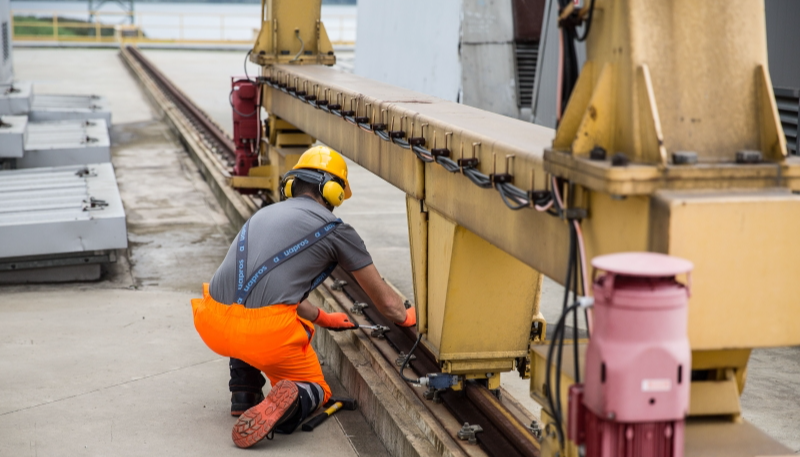
The Future of Occupational Health: What Can We Expect?
Tue 20th Oct 2026 by EBIS-HSE

The Future of Occupational Health: What Can We Expect?

Overview
Occupational health is entering a period of major change. Artificial intelligence, economic uncertainty, climate pressures, demographic shifts and geopolitical fragmentation are reshaping jobs, work organisation and the risks faced by workers.
This paper argues that occupational health professionals will need to move beyond a mainly clinical and compliance role. Their future contribution will increasingly involve strategic advice, workforce planning, data governance, prevention and advocacy for healthy, equitable and sustainable work.
The authors identify five major forces shaping the future of work: technological acceleration, economic uncertainty, climate change, demographic change and geopolitical fragmentation.
Artificial intelligence, robotics and automation may reduce exposure to dangerous work and improve hazard monitoring, but they may also displace jobs, increase digital surveillance and create new cognitive and psychosocial risks.
Economic pressures may encourage organisations to redesign jobs and increase productivity, but this can also lead to heavier workloads, insecurity and reduced investment in preventive health.
Climate change will increase heat exposure and other environmental risks, particularly for outdoor and manual workers. At the same time, renewable energy, battery technology, recycling and new materials may introduce unfamiliar occupational hazards.
Demographic change will require organisations to support older workers while adapting to longer and more varied careers. Geopolitical and economic fragmentation may also reshape supply chains, production locations and the skills required by workers.
The paper highlights additional priorities including mental health, inclusion, pandemic preparedness, gig work and the growing role of Environmental, Social and Governance reporting.
Its central message is that occupational health must become more proactive. Professionals need to influence how work is designed and transformed rather than responding only after workers become ill or injured.
Aim and Methodology
This is a forward looking conceptual paper rather than an original epidemiological study.
The authors bring together selected evidence, international reports, occupational health standards, legislation, sustainability frameworks and academic research to consider how work may change during the next decade.
The discussion draws on World Economic Forum estimates of future employment and skills, as well as frameworks including the United Nations Sustainable Development Goals and occupational health and safety reporting standards.
No formal database search, study selection process or quality assessment is described. The paper should therefore be understood as an expert perspective informed by contemporary evidence rather than a systematic review.
Its value lies in bringing several major developments together and considering what they mean for occupational health practice.
Key Findings
1. Technology Will Change Physical and Cognitive Work
Artificial intelligence, robotics and advanced digital systems may remove workers from hazardous environments, improve exposure monitoring and support faster identification of risks.
However, the same technologies can create new problems. Workers may experience job insecurity, digital monitoring, cognitive overload and reduced control over their work.
Automated decisions may also make responsibility more difficult to understand when something goes wrong.
Occupational health professionals will therefore need to assess how technology changes the complete work system, including workloads, decision making, worker autonomy and human interaction.
2. Reskilling Is Becoming a Health Issue
The paper reports that many workers may need new skills as jobs change.
A lack of access to training may increase employment insecurity, anxiety and the risk of workers being left behind by technological change.
Employees who remain in redesigned roles without sufficient preparation may also experience greater mental demands and an increased risk of mistakes.
Training should therefore be accessible across age groups, educational backgrounds and employment types. Occupational health input can help ensure that new workloads and competence requirements remain realistic.
3. Ageing Workforces Need Better Support
Older workers may require ergonomic adjustments, flexible schedules or changes to tasks, but the authors caution against treating age itself as evidence of reduced capability.
Experienced workers may provide valuable judgement, reliability and mentoring.
Occupational health assessments should therefore focus on individual work ability, job demands and the working environment rather than relying on assumptions about chronological age.
4. Mental Health Must Become Central to Practice
Restructuring, automation, economic uncertainty and insecure employment can create sustained psychosocial pressure.
These risks cannot be managed through resilience training or employee assistance alone.
Organisations need to examine workloads, staffing levels, job control, role clarity, scheduling and management behaviour.
The paper argues that mental health protection should increasingly be treated as part of work design rather than as a response after workers develop symptoms.
5. Inclusion Has Direct Health Implications
Discrimination, exclusion and unequal access to support can contribute to chronic stress and poorer worker health.
The authors therefore position diversity, equity and inclusion as occupational health concerns.
Organisations should examine whether workplace policies affect groups differently and ensure that health services, adjustments and opportunities are accessible.
A psychologically safe workplace can also encourage reporting, learning and earlier intervention.
6. Climate Risks Will Increase
Rising temperatures and more frequent heatwaves will increase risks for workers in construction, agriculture, delivery services and other physically demanding sectors.
Employers may need better heat exposure assessment, hydration arrangements, rest breaks, acclimatisation procedures and emergency plans.
The transition to renewable energy and circular production may also introduce new materials, technologies and occupational exposures.
Occupational health surveillance will need to keep pace with these changes rather than waiting for new diseases to become established.
7. Pandemic Preparedness Should Remain Permanent
COVID 19 demonstrated how infectious disease can affect health, staffing, supply chains and business continuity at the same time.
The authors argue that infection control, vaccination planning, workforce communication and emergency preparation should remain part of occupational health practice.
Preparedness should also address the mental health consequences of prolonged outbreaks.
8. Gig Workers Reveal Gaps in Protection
Platform workers may fall outside traditional employment protections, including injury compensation and employer provided health support.
Algorithmic management and unpredictable scheduling can also increase stress and reduce worker control.
The paper argues that occupational protection should increasingly reflect the risks people face rather than relying only on traditional employment categories.
9. ESG Can Strengthen Occupational Health
Environmental, Social and Governance reporting creates an opportunity to bring worker health into senior business decision making.
Occupational health professionals may increasingly help organisations collect, interpret and govern worker health data.
This requires meaningful indicators, protection of confidentiality and transparent reporting rather than reducing health performance to favourable headline figures.
10. Industry 5.0 Should Remain Human Centred
Industry 5.0 focuses on collaboration between people and advanced technologies within resilient and sustainable organisations.
The authors argue that technology should improve human capability and reduce harmful exposure rather than pursue efficiency alone.
Occupational health professionals should therefore be involved in technology design and procurement so that human factors, training and health impacts are considered before new systems are introduced.
Takeaways for Practice
- Include occupational health in decisions about automation, restructuring and workforce planning.
- Assess psychological, ergonomic and organisational effects alongside technical performance.
- Treat reskilling as part of worker protection.
- Prepare for heat, infectious disease and hazards linked to emerging technologies.
- Use meaningful health and safety indicators within ESG reporting.
- Extend protection to gig and other non standard workers.
- Ensure Industry 5.0 remains focused on people as well as technology.
The paper’s practical message is clear: occupational health must move further upstream and help shape how work is designed, governed and transformed.
Read the Full Research Study Here:
Koh, D., & Tan, A. The Future of Occupational Health: What Can We Expect? 1 Saw Swee Hock School of Public Health, 12 Science Drive 2, #10-01, Singapore 117549 2 Singapore General Hospital, 10 Hospital Blvd, Singapore 168582 https://www.jstage.jst.go.jp/article/juoeh/48/S_1/48_66/_pdf
Tags: research, occupational health
In Other News


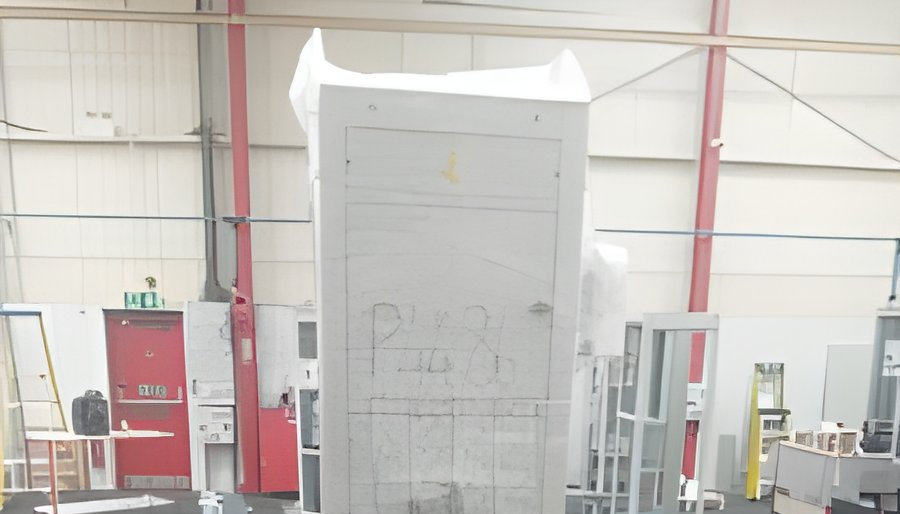
Electrical Company Fined After Worker Crushed By Unsecured Load
Fri 16th Oct 2026
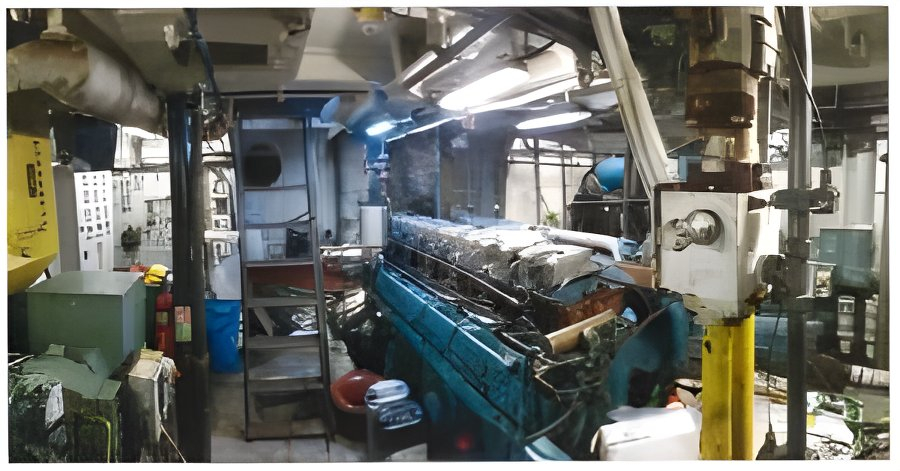
Apprentice Dies After Engine Room Fire Suppression Activation
Fri 16th Oct 2026
Sign up to our newsletter
Most Read




Runaway Vehicle During Recovery Operation Causes Serious Injuries
Fri 16th Oct 2026

Life Changing Injury During Filming From A Moving Vehicle
Thu 15th Oct 2026


HSE Urges Early Action On Noise And Vibration Risks
Tue 13th Oct 2026

Landlord Sentenced For Failing To Arrange Annual Gas Safety Checks
Mon 12th Oct 2026