Managing First Aid At Work: A Compliance Guide For Employers
Thu 15th Oct 2026 by HS Hub
Managing First Aid At Work: A Compliance Guide For Employers

Overview
First-aid compliance in Great Britain depends on whether the organisation can provide prompt assistance under its actual working conditions. Employers should be able to show how workplace hazards, workforce characteristics, operating hours and access to emergency assistance have informed decisions about personnel, equipment and facilities.
Separate first-aid regulations apply in Northern Ireland.
Start With The Circumstances Of Each Workplace
A first-aid arrangement that is adequate for one site may be unsuitable for another. Employers therefore need to determine provision from the conditions in which people work.
The assessment should consider workplace hazards and the likely injuries or illnesses associated with them. Workforce numbers also matter, as do shift arrangements, annual leave and other periods when the usual first-aid personnel may be unavailable.
Previous accidents can indicate the type of provision the workplace may need. The nature of the workforce should also be considered, together with any particular physical or mental health factors relevant to first-aid planning.
Location can change the response required. Remote sites may be farther from emergency medical assistance, while travelling and lone workers may not have immediate access to facilities available at a main workplace.
The findings should determine what equipment, facilities and personnel are adequate and appropriate.
Plan Personnel Cover Around The Work
Employers should decide whether their needs can be met by an appointed person or whether trained first-aiders are required.
The appointed person takes charge of the arrangements, including first-aid equipment and contacting emergency services. Formal first-aid training is not required for this role, although an appointed person should not be treated as a trained first-aider unless they hold the appropriate competence.
Where first-aiders are needed, the employer should select a suitable level of training. Emergency First Aid at Work covers emergency first aid for a person injured or becoming ill at work. First Aid at Work includes this and prepares the first-aider for a wider range of specific injuries and illnesses.
Training should be obtained from a competent provider. Employers are responsible for deciding whether the provider they select can deliver training appropriate to their needs.
Cover should reflect the hours people actually work. An organisation with suitable first-aid personnel during its main daytime shift can still have a gap during evening, weekend or alternative working patterns.
Match Equipment To Foreseeable First-Aid Needs
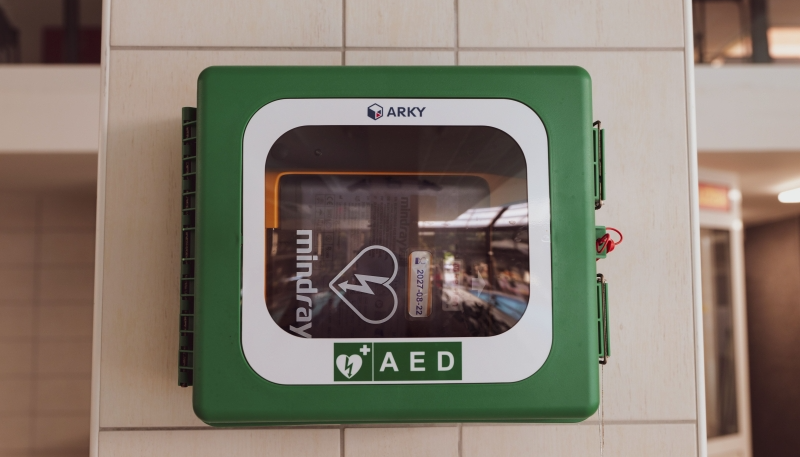
The first-aid box should be stocked according to the assessment. Buying a standard kit does not remove the employer's responsibility to decide whether the contents are suitable for the workplace.
Some settings may need extra materials because of particular hazards. The assessment may also identify a need for equipment outside the main kit or for a dedicated first-aid room.
Where a first-aid room is provided under the Regulations, it must be accessible for stretchers and other equipment needed to move patients and must be appropriately signposted.
Managers should also include routine checking in their arrangements. Used items need replenishment and expired sterile products should be replaced.
Account For Shared Sites And People Away From The Main Workplace
First-aid planning should follow employees beyond a conventional fixed workplace. Travelling, remote and lone workers should be considered during the needs assessment.
Shared and multi-occupied premises require clear arrangements. Employers should understand what provision exists on site and whether joint arrangements meet the needs of their own employees.
The Regulations place the first-aid duty on employers in relation to their employees. They do not impose the same duty for members of the public or other non-employees. Employers are nevertheless advised to consider non-employees when assessing first-aid needs, particularly where the organisation provides services to the public.
Keep Employees Informed And Arrangements Current
Employees need to know what first-aid arrangements apply to them. Information should identify how assistance can be obtained and where equipment or facilities are located.
Managers should review first-aid provision when relevant circumstances change. An increase in workforce numbers, altered shift patterns, different hazards or changes to site arrangements can affect whether existing provision remains adequate.
Records can help with assurance even where a formal written first-aid needs assessment is not required. They can show the basis for decisions, training status, equipment checks and how gaps in personnel cover have been addressed.
Common Compliance Gaps
A first-aid system can appear complete while failing outside normal operating hours. Typical weaknesses include expired supplies, unclear arrangements for remote workers and first-aider numbers that do not account for absence.
Another error is assuming that a branded kit or standard training course automatically determines compliance. The employer's assessment remains the basis for deciding what is needed.
Manager Checklist
- Map first-aid cover against all shifts, sites and periods when employees are working.
- Use workplace hazards and accident history to test whether current provision remains suitable.
- Confirm that appointed persons and trained first-aiders have clearly defined roles.
- Check that first-aid training matches the injuries and illnesses identified in the assessment.
- Review whether remote, travelling and shared-site workers can obtain prompt assistance.
- Examine equipment checks, replenishment and expiry controls.
- Update employee information when personnel or first-aid locations change.
- Reassess provision after material changes to the workforce or work activities.
Frequently Asked Questions
Does a first-aid kit have to meet BS 8599?
No. Compliance with that standard is not compulsory under the Regulations. Whatever kit is selected must contain what the employer's needs assessment identifies as appropriate.
Can an appointed person give first aid?
An appointed person manages the arrangements and does not need formal first-aid training. They should not be assumed to have the competence of a trained first-aider unless they have received suitable training.
Must an employer write down its first-aid needs assessment?
A written record is not automatically required, although keeping one can provide evidence of how the organisation decided on its provision.
Do employers have to provide first aid for visitors or members of the public?
The Great Britain Regulations require provision for employees. Employers are advised to consider non-employees as part of their needs assessment where this is relevant to the workplace.
Should mental health be considered in first-aid planning?
Yes. First-aid needs guidance covers both physical and mental health, so employers should consider what initial support may be needed and whether further training is appropriate.
Tags: article, core health & safety, incident management, emergency planning
In Other News



Sign up to our newsletter
Most Read




Runaway Vehicle During Recovery Operation Causes Serious Injuries
Fri 16th Oct 2026

Electrical Company Fined After Worker Crushed By Unsecured Load
Fri 16th Oct 2026

Life Changing Injury During Filming From A Moving Vehicle
Thu 15th Oct 2026


HSE Urges Early Action On Noise And Vibration Risks
Tue 13th Oct 2026
Landlord Sentenced For Failing To Arrange Annual Gas Safety Checks
Mon 12th Oct 2026