
Fatal Electrocution During Ladder Work Near Overhead Power Lines

Fatal Electrocution During Ladder Work Near Overhead Power Lines
Brief Summary
A trainee painter died after contact with an overhead power line while a ladder was being moved during exterior painting on a domestic property. An investigation found the employer had not planned or supervised the work properly, selected unsuitable equipment and failed to control the risks of working near overhead power lines. The case underlines the need for clear method selection competent workers and firm controls when work at height and live electrical hazards are present.
What Was The Incident?
Workers were painting the exterior of a house. The original plan called for a tower scaffold and ladders for limited use but in practice ladders were used throughout. While two workers were moving a fully extended ladder at the gable end the ladder either touched an overhead power line or came close enough for an electrical arc to form. A trainee painter was killed and a colleague suffered burns to hands feet and stomach. The regulator found shortcomings in planning supervision equipment selection and in training and competence for work at height and for work near overhead power lines.
What Was The Outcome?
The sole trader employer pleaded guilty to breaching Regulation 4(1) of the Work at Height Regulations 2005. He was sentenced to 16 weeks imprisonment suspended for 12 months and ordered to pay £10,645 in costs at Warrington Magistrates Court on 6 October 2026.
Key Points To Consider
Plan and approve safe methods for work at height. Produce written method statements that specify when a tower scaffold is required and prohibit routine ladder use for tasks near hazards. Verify teams follow the approved plan and require a documented risk assessment and authorisation for any deviation.
Assess and control risks from overhead power lines. Include overhead line hazards in the site risk assessment and adopt measures such as isolating the supply where possible maintaining safe distances using appropriate access equipment or non conductive tools and establishing exclusion zones.
Confirm training competence and supervision. Check that workers have relevant training for work at height and for working near live electrical hazards provide competent supervision and keep records showing who is responsible for safety and who authorised the chosen methods.
Tags: regulatory, news, work at height, electrical safety, access equipment, safety training, contractor safety
In Other News


Sign up to our newsletter
Most Read





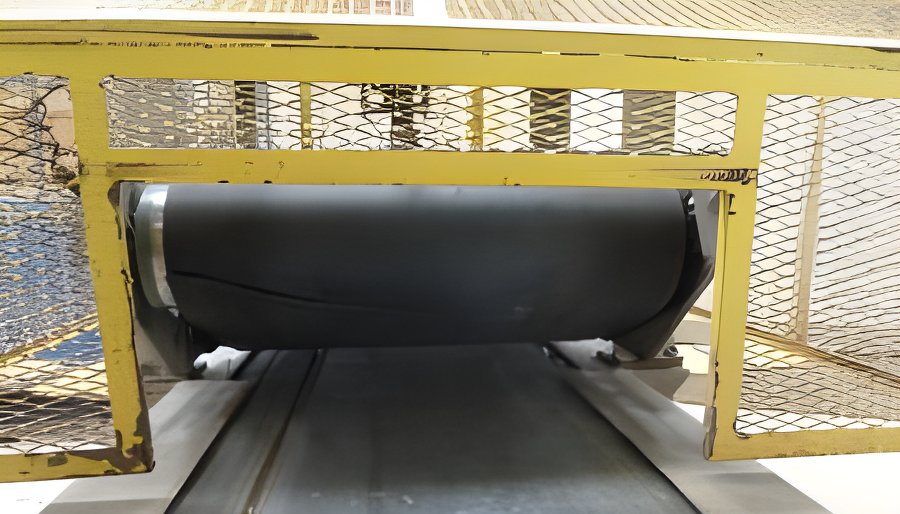
Worker Killed After Access Through Guarding On Conveyor
Tue 29th Sep 2026

Pedestrian Killed At Bus Station After Poor Crossing Design
Fri 25th Sep 2026


Two Companies Fined Over Death Caused By Falling Penthouse Window
Thu 24th Sep 2026

Labourer Falls Through Unprotected Stairwell Opening
Mon 21st Sep 2026

Worker Killed When Fire Extinguisher Exploded During Recycling
Thu 17th Sep 2026

Scald Injuries During Steam Pipe Maintenance
Wed 16th Sep 2026

Crate Fall From Forklift Causes Life Changing Injury
Tue 15th Sep 2026