
Managing Workplace Vehicle Risks: An Employer’s Guide to Transport Safety
Thu 12th Nov 2026 by HS Hub
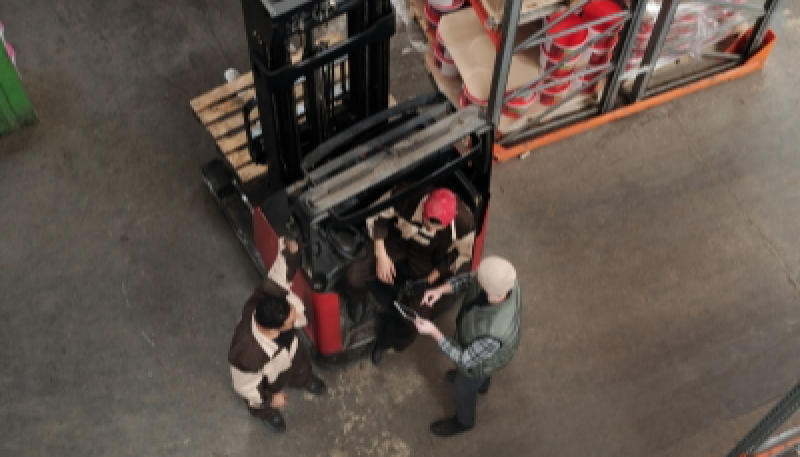
Managing Workplace Vehicle Risks: An Employer’s Guide to Transport Safety

Effective workplace transport management depends on understanding how vehicle movements actually take place across the site, then controlling the interaction between people, vehicles and transport activities. For employers in Great Britain, the management process should cover assessment, site organisation, vehicle suitability, driver competence and continuing supervision.
Map How Vehicles Use the Workplace
A transport assessment should begin with actual movements rather than a diagram of the site alone. Managers need to understand which vehicles enter, where they travel, where they stop, which areas pedestrians use and where the two may come into contact.
Different activities can create different risks. Deliveries, loading, parking, reversing, tipping and movements by lift trucks or other mobile equipment may require separate consideration.
Traffic routes should be suitable for the vehicles using them and kept in a condition that supports safe movement. Lighting, visibility, signage, crossings and access points are among the matters that may affect how safely a route functions.
Design Out Unnecessary Vehicle-Pedestrian Interaction
The main aim of workplace transport site design should be to separate pedestrians from vehicles.
Managers should examine whether people can enter buildings, move between work areas and reach facilities without walking through vehicle operating zones. Where pedestrian and vehicle routes have to meet, crossing points should be positioned and managed with visibility and traffic movement in mind.
Higher-risk locations deserve particular attention. Loading areas, vehicle entrances, turning areas, narrow routes and places with restricted visibility can increase the need for physical separation or other controls.
A layout should also be reviewed when operations change. New storage areas, increased vehicle movements or altered loading arrangements can create interactions that were not present when the original transport plan was developed.
Give Reversing a Specific Management Review
Reversing should not be treated simply as another driving manoeuvre. The first question is whether the site or traffic flow can be changed so that vehicles do not need to reverse.
One-way systems can help reduce reversing where the workplace layout permits them. Where reversing remains part of the operation, managers should examine who can enter the manoeuvring area, what the driver can see and whether pedestrians can be kept away while the movement takes place.
The same review should consider whether routine practices have departed from the intended system. An agreed reversing area provides little protection if it becomes a pedestrian shortcut or temporary storage space.
Control the Transport Chain Around Deliveries
Many employers depend on vehicles operated by contractors, suppliers or customers. Their presence does not remove the site operator's need to manage workplace transport risks.
Delivery arrangements should address how visiting drivers enter the premises, where they report, the route they should follow and where loading or unloading is expected to take place.
Where two businesses are involved in a delivery, communication before and during the activity can establish how the work will be carried out. Managers should avoid assuming that a visiting driver will automatically understand local routes, pedestrian controls or operating restrictions.
Check the Vehicle and the Person Operating It
Safe transport arrangements depend on vehicles being suitable for the work and maintained so that they remain safe to use. Vehicle selection should take account of the operating environment and tasks for which the vehicle is intended.
Drivers must also be capable of carrying out their work safely. Employers should consider their competence and provide suitable information, instruction, training and supervision.
These matters should be checked in practice. Maintenance records, authorisation and training information are useful evidence, but site observation can show whether drivers follow routes, respect restrictions and operate vehicles as expected.
Turn Incidents and Changes Into Review Triggers
Workplace transport arrangements should not remain fixed when the workplace changes. Altered routes, different vehicles, new activities or changes in pedestrian movement can affect the existing assessment.
Incident and near-miss information can also point to weaknesses requiring attention. Managers should use that information alongside workplace inspections and observation to decide whether controls need revision.
Common Compliance Gaps
Typical management failures include relying on site rules without checking whether routes support them, allowing pedestrians into manoeuvring areas and accepting frequent reversing where traffic flow could be reconsidered.
Weak control of visiting vehicles, vehicle defects, unsuitable equipment and insufficient attention to driver competence can also undermine the transport arrangements. Reviews may exist on paper while changes to the site have already made them outdated.
Manager Checklist
- Map regular vehicle and pedestrian movements, including delivery and contractor traffic.
- Inspect crossings, entrances, turning areas and other places where routes interact.
- Challenge routine reversing and consider whether traffic flow can remove or reduce it.
- Review how loading and unloading activities are isolated from unrelated pedestrian movement.
- Confirm visiting drivers receive relevant site and traffic information.
- Sample vehicle maintenance and defect-control arrangements.
- Check driver selection, competence, training and supervision against the work undertaken.
- Revisit the transport assessment after operational changes, incidents or evidence that controls are not working.
Frequently Asked Questions
What are the main areas of a workplace transport risk assessment?
A useful structure is safe site, safe vehicle and safe driver. Within the site assessment, both physical design and activities such as reversing and loading should be considered.
Can marked pedestrian routes be enough?
Their adequacy depends on the workplace and risk. Physical separation between pedestrians and vehicles should be provided where practicable, particularly where interaction presents greater risk.
Does workplace transport only mean lorries and lift trucks?
No. The term covers a broad range of vehicles and mobile equipment used in work settings, including cars, vans, lorries, lift trucks and other mobile plant.
When should workplace transport arrangements be reviewed?
Review is appropriate when activities or operating conditions change, and where monitoring, incidents or workplace observations indicate that the existing controls may no longer be adequate.
Tags: article, transport safety
In Other News


HSE Urges Early Action On Noise And Vibration Risks
Tue 13th Oct 2026
Landlord Sentenced For Failing To Arrange Annual Gas Safety Checks
Mon 12th Oct 2026
Sign up to our newsletter
Most Read







Construction Company Fined After Fatal Fall From First Floor
Fri 2nd Oct 2026

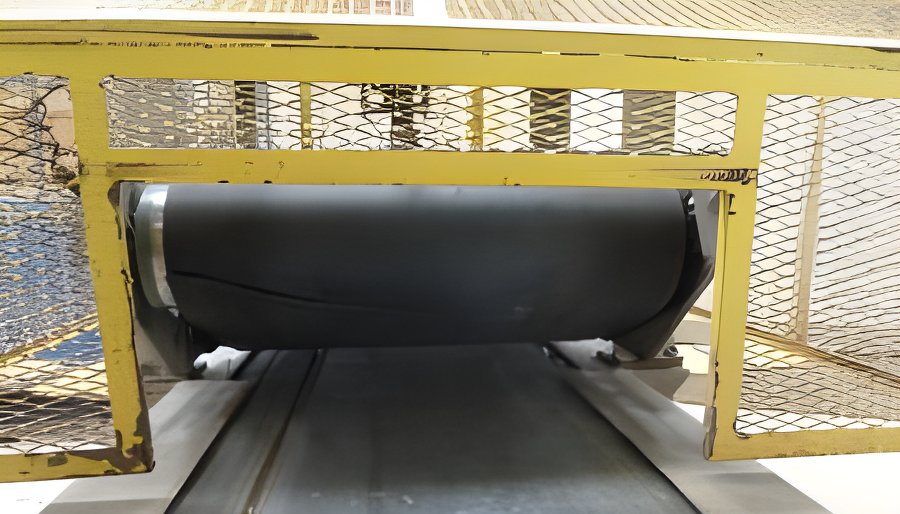
Worker Killed After Access Through Guarding On Conveyor
Tue 29th Sep 2026
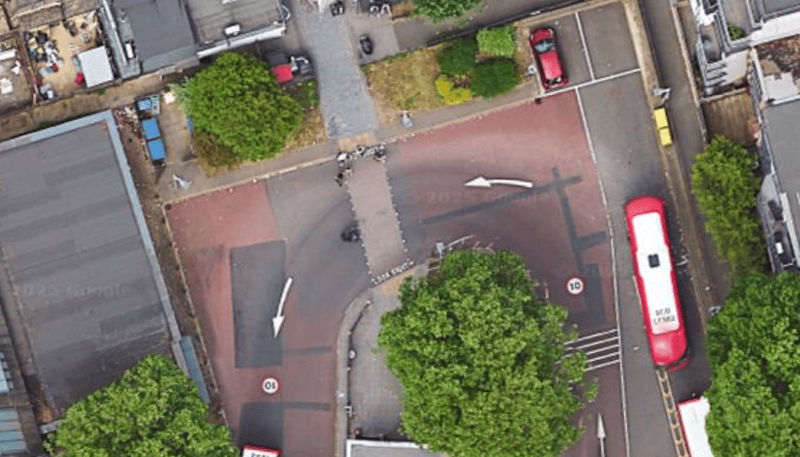
Pedestrian Killed At Bus Station After Poor Crossing Design
Fri 25th Sep 2026