
Managing Young Workers Safely: Risk Assessment, Training and Supervision
Thu 27th Aug 2026 by HS Hub

Managing Young Workers Safely: Risk Assessment, Training and Supervision

Managing a worker under 18 requires employers in the UK to consider how age, experience and maturity affect the person's ability to recognise and deal with workplace risks. Effective arrangements should begin before the person starts and continue through induction, task allocation, supervision and reviews of their progress.
Review the Job Before Confirming the Work
A useful starting point is the work the young person will actually be expected to perform. Employers should examine the tasks, workplace conditions and equipment involved, then consider whether existing controls remain suitable for somebody with less experience or awareness of risk.
HSE advises employers taking on a young person for the first time, or somebody with particular needs, to review the risk assessment before they start. Where young people have been employed recently and a new starter has a similar level of maturity and understanding with no additional needs, existing arrangements may already be sufficient.
This keeps the assessment proportionate. In a low-risk workplace, established controls for other workers may often be adequate. Less familiar or higher-risk environments can require more detailed induction, site familiarisation, protective equipment and closer supervisory arrangements.
Use Capability to Set the Boundaries of the Job
Managers should avoid assuming that chronological age provides a complete measure of capability. The assessment needs to consider experience, awareness, maturity and physical development.
A young worker may not recognise a hazard that is familiar to established employees. They may also lack the physical development needed for some tasks or have difficulty judging their own limits.
Task allocation should therefore have clear boundaries. Managers need to know which activities the person has been trained and authorised to undertake, which require direct supervision and whether any equipment is subject to legal age limits. HSE identifies lift trucks and some woodworking machinery as areas where age restrictions can be relevant.
Build Understanding Into the Induction
Induction for a young worker should deal with the hazards and precautions connected with the work they will actually perform. For a short work experience placement, training can be tailored to the limited range of tasks involved.
Managers also need evidence that the information has been understood. Asking the young person to explain a procedure, demonstrate a task under supervision or identify when they should seek help can reveal misunderstandings that attendance at an induction cannot.
Young workers should be shown how to raise health and safety concerns. HSE notes that they may be unaware of the correct route for doing this and may be eager to impress the people they work with. Those factors should inform both training and supervision.
Make Supervision Responsive to Progress
Supervision should reflect the individual and the work being undertaken. Young people may need closer supervision than adults, particularly during unfamiliar activities or while their competence is being established.
The supervisor should understand the controls applying to the young person's work and know the limits placed on their activities. Regular checks can establish whether instructions are being followed and whether further training or adjustments are needed.
Supervision should therefore develop with the worker. A person who has demonstrated competence may need less oversight for familiar tasks, while new activities can require closer control again.
Manage Work Experience and Apprenticeship Responsibilities
Work experience does not transfer the employer's workplace health and safety responsibility to the school or college. The employer providing the placement has the main responsibility and should consider relevant information supplied by organisers, parents or carers about the student's physical or psychological capacity and particular needs.
Employers also have health and safety responsibilities for apprentices. Where an apprentice is under 18, the same considerations applying to other young workers apply. Specific organisational arrangements can vary where apprenticeship agencies, training providers or third parties are involved, so responsibilities should be clear before work begins.
Common Compliance Gaps
Young-worker arrangements can become weak when the assessment concentrates on the job and ignores the person's experience or maturity. Other warning signs include generic induction, unclear task restrictions, supervisors who do not know the young person's authorised activities and no review as the person moves into new work.
Employers can also make incorrect assumptions about work experience, particularly where they expect the education provider to assess or control risks that belong to the placement employer.
Manager Checklist
- Define the tasks the young person will perform before confirming the placement or job.
- Decide whether current risk controls adequately account for age, experience and maturity.
- Obtain relevant information about individual needs before work starts.
- Record any limits placed on machinery, equipment or higher-risk activities.
- Tailor induction and practical training to the work the person will undertake.
- Check understanding instead of relying only on completed training records.
- Brief supervisors on the young person's permitted work and current competence.
- Reassess supervision and task allocation as experience develops or duties change.
Frequently Asked Questions
Do young workers always need closer supervision than adults?
They are likely to need more supervision, particularly while learning unfamiliar work. The appropriate level should reflect the person's capability, progress and the risks involved.
Should the risk assessment be reviewed when a young person changes duties?
Where the new duties introduce different risks or require capabilities that have not already been considered, the assessment and control arrangements should be reconsidered.
Is a school responsible for assessing a work experience student's workplace risks?
The employer providing the placement has the main responsibility for workplace health and safety. Schools and placement organisers can pass on relevant information and check that risk-management arrangements exist, but they are not expected to second-guess the employer's assessment.
Are apprentices covered by the same arrangements?
For apprentices under 18, employers have the same health and safety responsibilities that apply to other young workers. Arrangements with training providers or apprenticeship agencies may also require co-operation over who controls particular parts of the training or placement.
Tags: article, core health & safety, contractor safety
In Other News




Sign up to our newsletter
Most Read


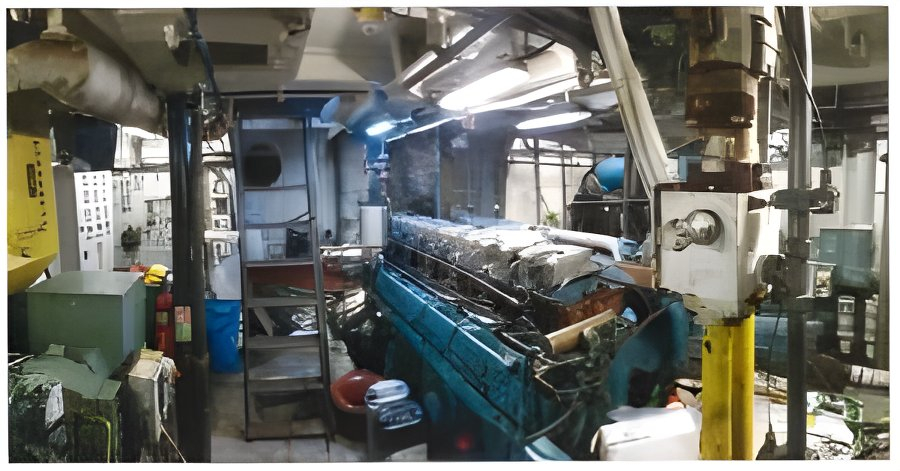
Apprentice Dies After Engine Room Fire Suppression Activation
Fri 16th Oct 2026
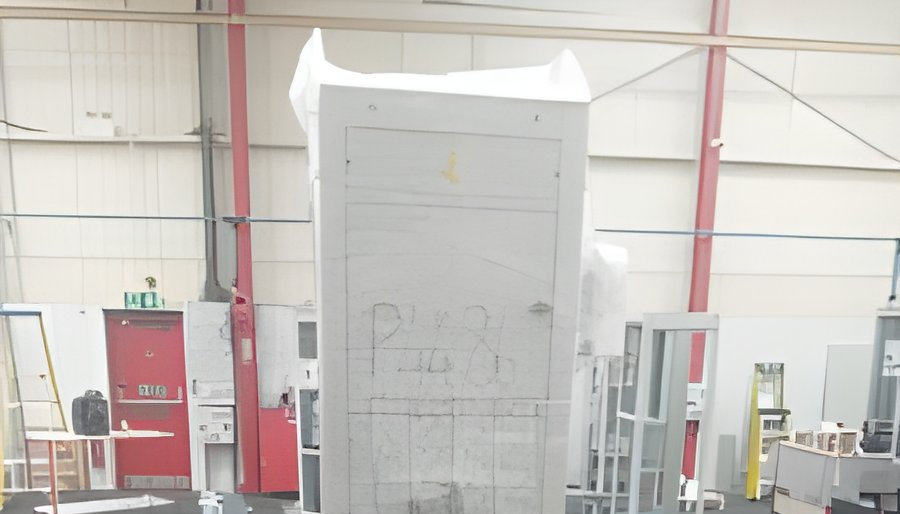
Electrical Company Fined After Worker Crushed By Unsecured Load
Fri 16th Oct 2026

Life Changing Injury During Filming From A Moving Vehicle
Thu 15th Oct 2026


HSE Urges Early Action On Noise And Vibration Risks
Tue 13th Oct 2026
Landlord Sentenced For Failing To Arrange Annual Gas Safety Checks
Mon 12th Oct 2026


Worker Suffers Partial Thumb Loss During Manual Handling Task
Wed 7th Oct 2026