
How to Identify and Manage Hazardous Waste Safely in the Workplace

How to Identify and Manage Hazardous Waste Safely in the Workplace

Businesses must identify hazardous waste correctly, prevent unsafe mixing or storage and ensure that waste is transferred to authorised organisations. In England, these duties include waste classification, safe segregation, consignment documentation and appropriate recordkeeping. Scotland, Wales and Northern Ireland have separate regulatory arrangements that must be considered when managing waste across different locations.
Recognising Hazardous Waste in Business Operations
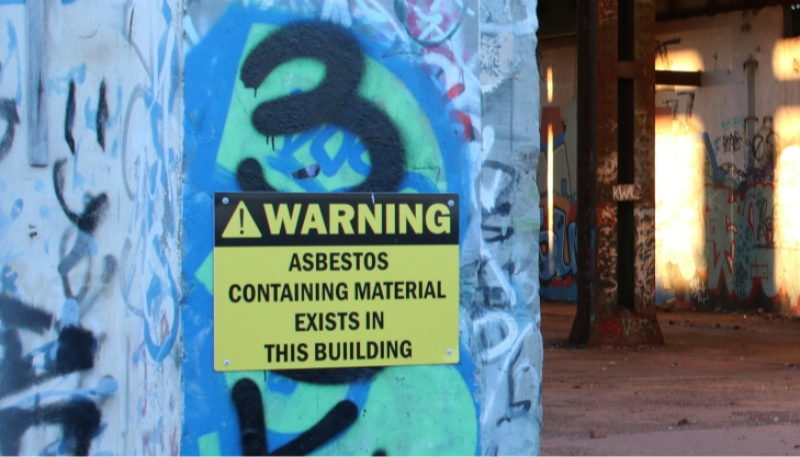
Hazardous waste contains substances or displays properties that may harm human health or the environment. It can arise from routine operations, maintenance, refurbishment and industrial processes. Examples include waste oils, solvents, asbestos-containing materials, chemical residues and certain batteries or electrical equipment.
Businesses should identify potential hazardous waste streams before disposal arrangements are made. A waste item does not automatically become hazardous because the original product carried a warning label. Equally, an absence of hazard symbols does not establish that the resulting waste is non-hazardous. The classification must reflect the waste itself, including its composition and the process that generated it.
Assessing Waste Composition and Hazardous Properties
Waste producers must classify their waste before it is collected, recovered or disposed of. The assessment should establish the appropriate six-digit List of Waste code and whether the material has hazardous properties. Some waste descriptions have both hazardous and non-hazardous entries. Determining the correct classification may require information about chemical constituents, their concentrations and relevant hazardous properties.
Product safety data sheets can provide useful information, although they may not fully describe the waste after use or contamination. Where sufficient information is unavailable, further investigation, sampling or specialist assessment may be necessary. Managers should ensure classifications are supported by appropriate evidence and reviewed when processes, materials or waste characteristics change. Waste acceptance criteria used for landfill purposes should not be substituted for hazardous waste classification.
Segregation and Safe Storage of Hazardous Materials
Hazardous waste must be managed so that it does not escape, contaminate other materials or create additional risks. In England, mixing hazardous waste with non-hazardous waste, non-waste materials or different categories of hazardous waste is prohibited unless the activity meets the applicable authorisation requirements.
Suitable storage arrangements should include clearly identified containers, appropriate containment and protection against damage or unauthorised interference. Different chemical residues may require separate storage because their properties make them incompatible. Storage areas should also be assessed for spill risks and potential contamination of drains or surrounding land. Managers should determine whether particular storage or treatment activities require an environmental permit or fall within an applicable exemption.
Arranging Collection and Authorised Waste Treatment
Businesses should verify that waste contractors have the appropriate authorisations before transferring hazardous waste. In England, this includes checking waste carrier registration and confirming that the receiving facility is authorised to accept the relevant waste. A carrier's registration does not establish that every waste treatment or disposal destination is suitable.
Where a broker arranges collection, the business should understand which organisations will transport and receive the waste. The waste description supplied to contractors must accurately identify the material and its hazardous characteristics. Waste producers retain relevant duty of care responsibilities when contractors undertake collection and disposal.
Consignment Notes and Waste Movement Records
In England, hazardous waste movements generally require a consignment note prepared before collection. The documentation identifies the waste, its origin, classification and organisations involved in the movement. Producers and holders must retain applicable consignment notes, consignee returns and related documents for three years. Consignee returns provide information about hazardous waste received by the destination facility. Missing returns should be followed up. Rejected loads also require attention because the intended treatment or disposal arrangement has not been completed as planned.
Hazardous Waste Requirements Across the UK
The administrative requirements differ between UK nations. In Wales, premises producing or storing more than 500 kg of hazardous waste annually generally require producer registration, subject to exemptions. Scotland regulates hazardous waste as special waste, with specific consignment procedures. Northern Ireland has separate hazardous waste legislation and documentation requirements. Businesses operating across national boundaries should establish the procedures applicable to each site and waste movement.
Common Compliance Gaps
Common problems include incorrect classification, inadequate segregation, unsuitable storage and incomplete waste descriptions. Other weaknesses involve unchecked contractor authorisations, missing consignment records and failure to review waste classifications following operational changes. These issues can remain undetected where responsibility for waste management is divided between departments.
Manager Checklist
- Identify potential hazardous waste streams across business activities.
- Confirm waste classifications and supporting information are accurate.
- Review storage containers, identification and segregation arrangements.
- Check precautions against spills and uncontrolled releases.
- Verify waste carrier registration and receiving-site authorisations.
- Confirm applicable consignment documentation is completed.
- Review record retention and missing consignee returns.
- Check that procedures reflect the relevant UK jurisdiction.
FAQ
How can a business establish whether waste is hazardous?
It must assess the waste's composition, classification code and relevant hazardous properties. Some materials require additional information or specialist assessment.
Are all batteries classified as hazardous waste?
No. Classification depends on the battery type and composition. Businesses should determine the correct waste classification and disposal arrangements for the batteries concerned.
Must hazardous waste always be stored separately?
Different categories of hazardous waste must generally be segregated, and mixing with non-hazardous waste is restricted. Specific authorised operations may be permitted to mix certain wastes under controlled conditions.
How long must businesses keep hazardous waste records?
In England, hazardous waste producers and holders must generally retain relevant consignment records and consignee returns for three years. Other requirements apply to waste carriers and receiving facilities, and procedures differ elsewhere in the UK.
Tags: article, coshh, audit, compliance
In Other News



Sign up to our newsletter
Most Read




Trainee Scaffolder Killed After Five Metre Fall
Fri 6th Nov 2026


Fragile Barn Roof Fall Leads To Fine
Thu 5th Nov 2026
Hand Trapped In Print Rollers During Cleaning
Thu 5th Nov 2026
Tyre Fitter Killed After Truck Fell During Roadside Repair
Wed 4th Nov 2026

Crown Censure After Fatal Armoured Vehicle Training Incident
Tue 3rd Nov 2026

Roof Fire During Welding On 14 Storey Apartment Block
Fri 30th Oct 2026
Worker Crushed By Reversing Recovery Truck
Thu 29th Oct 2026