
Crown Censure After Fatal Armoured Vehicle Training Incident

Crown Censure After Fatal Armoured Vehicle Training Incident
Brief Summary
An HSE investigation found that an employer did not provide a safe system of work for a routine armoured vehicle training exercise. Risk assessments did not identify the hazard of an unexpectedly rotating turret and instructions and training did not control the risk, resulting in a Crown Censure and an admission of breach of Section 2(1) of the Health and Safety at Work etc Act 1974.
What Was The Incident?
During a routine live training exercise, a soldier was driving an armoured reconnaissance vehicle and was acting as an opposing force. The vehicle gun barrel struck a tree while escaping an attack. The turret rotated rapidly and a rear storage box struck the driver on the head, causing fatal injuries at the scene. The HSE found there was no safe system of work for driving the vehicle in the exercise, risk assessments failed to identify the danger of the turret rotating without warning, similar incidents had not been properly reviewed, and instruction and training on the hazard and on driving with the head up were inadequate.
What Was The Outcome?
Following the HSE investigation a file was passed to legal services and the employer accepted a Crown Censure. The employer admitted breaching its duty under Section 2(1) of the Health and Safety at Work etc Act 1974. The Crown Censure provides a public record of the failure; no financial penalty or costs are recorded in the source material.
Key Points To Consider
Risk assessment for dynamic vehicle exercises. Review risk assessments for exercises that involve moving vehicles and dynamic components. Specifically identify hazards from unexpected component movement, record likely failure modes, and set controls that prevent occupants being struck if a component contacts an external object.
Instruction and practical training for specific hazards. Ensure briefings and training cover the particular hazards identified by the assessment, such as unintended turret rotation and driving with the head up. Verify competence through observed practice and documented checks before personnel undertake the task.
System of work and learning from past incidents. Establish a clear safe system of work for the exercise that includes procedural and physical controls, and ensure risk assessments are reviewed and amended after similar events. Record actions taken and audit implementation to prevent recurrence.
Tags: regulatory, news, transport safety, machinery safety, safety training, core health & safety, incident management
In Other News

Roof Fire During Welding On 14 Storey Apartment Block
Fri 30th Oct 2026
Worker Crushed By Reversing Recovery Truck
Thu 29th Oct 2026
Sign up to our newsletter
Most Read



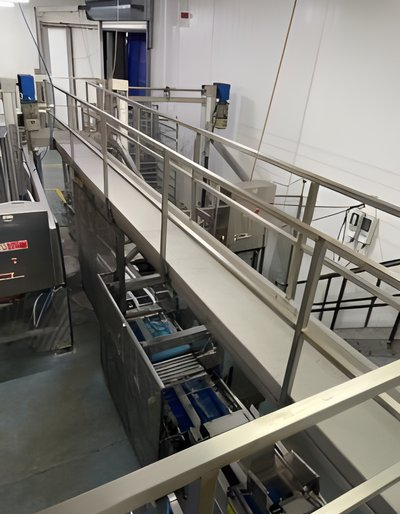
Worker Dragged Into Machine After Guard Removed
Thu 29th Oct 2026
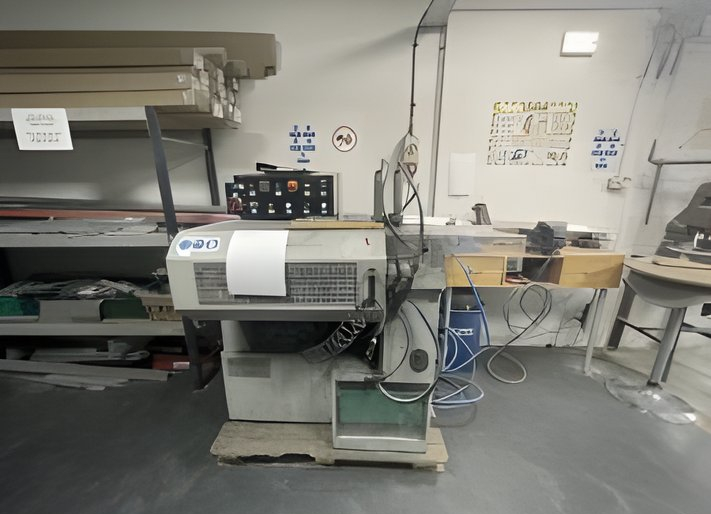
Partial Finger Amputation After Access To Unguarded Saw
Wed 28th Oct 2026


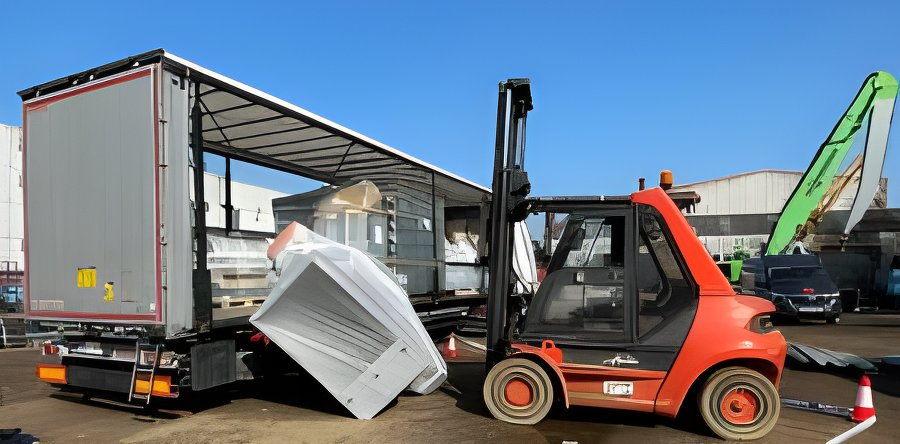
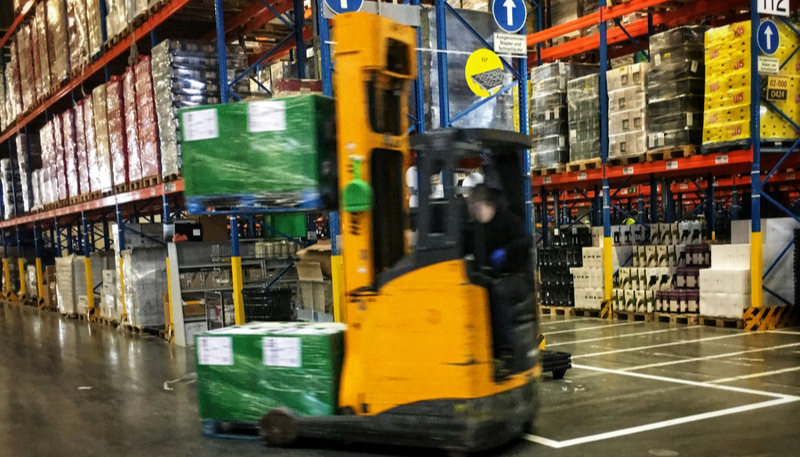
Worker Injured In Warehouse Vehicle Collision
Fri 23rd Oct 2026


Electrical Company Fined After Worker Crushed By Unsecured Load
Fri 16th Oct 2026
Apprentice Dies After Engine Room Fire Suppression Activation
Fri 16th Oct 2026

Runaway Vehicle During Recovery Operation Causes Serious Injuries
Fri 16th Oct 2026