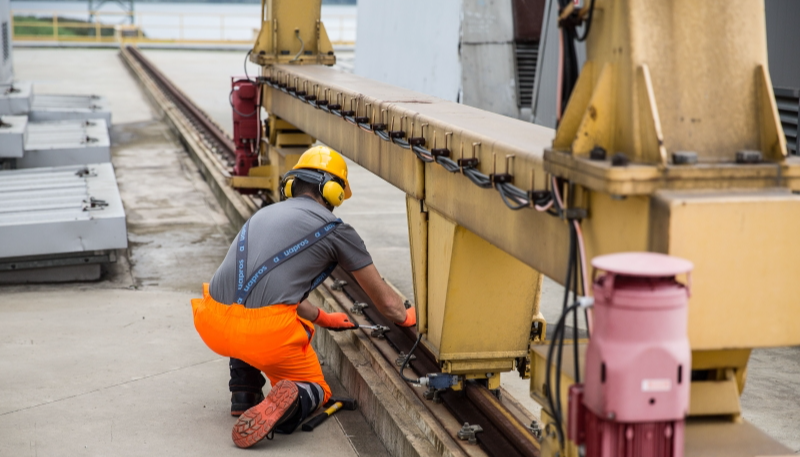
Company Fined For False Electrical Safety Certificates At Car Washes

Company Fined For False Electrical Safety Certificates At Car Washes
Brief Summary
Inspectors found two car wash sites with dangerous electrical systems despite certificates stating they were safe. An electrical company supplied the certificates using secure member software yet the paperwork did not match the installations. The case shows the need for employers to check that certificates are genuine and that electrical work is carried out and certified by competent contractors.
What Was The Incident?
Regulators inspected two car wash sites and found electrical installations that presented a risk of serious injury or electrocution. The car wash owners had engaged an electrical contractor who provided electronically generated certificates from a recognised certification body system. A specialist electrical inspector found the certificate details did not match what was installed on site. Both sites were ordered to stop work because the installations remained dangerous and not safe to use.
What Was The Outcome?
Following a trial the electrical company was found guilty of breaching section 3(1) of the Health and Safety at Work etc Act 1974. The firm was fined £20,000 and ordered to pay costs of £15,239. Enforcement action by regulators required the car wash sites to cease operating until the electrical installations were made safe by a competent contractor.
Key Points To Consider
Check authenticity of electrical certificates. Verify that a certificate matches the installation on site, confirm it was issued by the named contractor and check how it was generated and signed when documents are supplied electronically.
Confirm contractor competence and registration. Require evidence that the contractor is registered with a recognised certification body and that the individual signing the paperwork is authorised and competent to certify the specific work carried out.
Ensure ongoing maintenance and stop work where risks exist. Review maintenance arrangements and inspection schedules to ensure installations are kept safe, and suspend operations immediately if inspections or certificates show systems are dangerous until remedial work is completed by a competent contractor.
Tags: regulatory, news, electrical safety, certification, contractor safety, compliance, ehs software
In Other News



Sign up to our newsletter
Most Read




Runaway Vehicle During Recovery Operation Causes Serious Injuries
Fri 16th Oct 2026
Apprentice Dies After Engine Room Fire Suppression Activation
Fri 16th Oct 2026
Electrical Company Fined After Worker Crushed By Unsecured Load
Fri 16th Oct 2026

Life Changing Injury During Filming From A Moving Vehicle
Thu 15th Oct 2026


HSE Urges Early Action On Noise And Vibration Risks
Tue 13th Oct 2026
Landlord Sentenced For Failing To Arrange Annual Gas Safety Checks
Mon 12th Oct 2026