
Worker Injured In Warehouse Vehicle Collision

Worker Injured In Warehouse Vehicle Collision
Brief Summary
During the installation of new automated machinery at a manufacturing company warehouse, changes to vehicle routes were implemented without an adequate risk assessment. That failure allowed ride on pallet trucks and fork lift trucks to share constrained routes in a busy loading area, increasing collision risk and resulting in a serious injury. The case shows the need to assess transport changes and control vehicle interactions.
What Was The Incident?
While installing new automated machinery, a worker was operating a ride on pallet truck when it collided with a fork lift truck in a busy stock loading area. The ride on truck had no guarding and the collision caused multiple fractures to the worker's foot and longer term nerve damage. The employer had re routed workplace transport to facilitate the installation but did not properly risk assess the new arrangements. As a result, both ride on pallet trucks and fork lift trucks used the same routes in an area with limited visibility and increased vehicle movements.
What Was The Outcome?
The employer pleaded guilty to a breach of Section 2(1) of the Health and Safety at Work etc Act 1974 in relation to safe use of workplace transport and was fined £80,000 and ordered to pay costs of £3,374.
Key Points To Consider
Assess changes to vehicle routes. Before introducing temporary or permanent route changes, carry out a documented risk assessment that considers vehicle types, traffic levels, visibility and any likely increase in movements and complete controls before the change is implemented.
Separate vehicle movements where possible. Review site layout and traffic management to segregate foot traffic and different vehicle types or, if segregation is not possible, implement physical measures, clear signage, speed controls and one way systems to reduce collision risk.
Check vehicle safety and supervision. Verify that work vehicles have appropriate guarding and safety features for their tasks, confirm drivers are trained for changed routes, and ensure supervision and monitoring are in place while temporary works alter normal operations.
Tags: regulatory, news, transport safety, machinery safety, core health & safety, incident management
In Other News



Sign up to our newsletter
Most Read


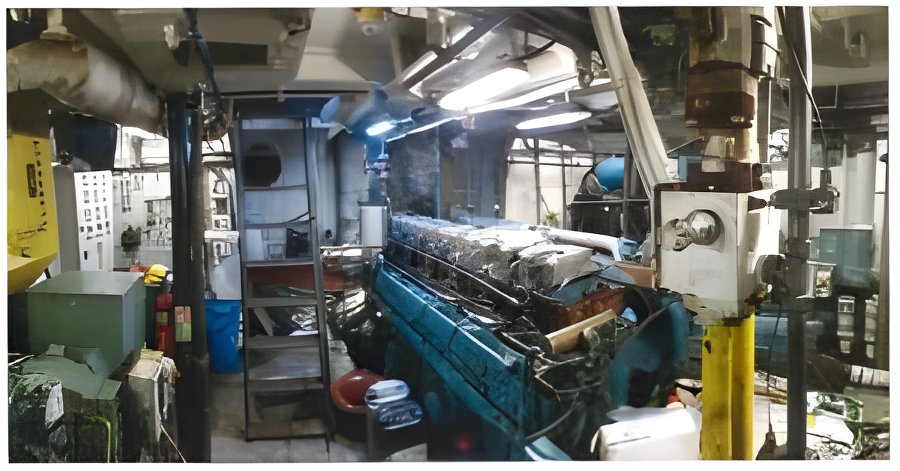
Apprentice Dies After Engine Room Fire Suppression Activation
Fri 16th Oct 2026
Electrical Company Fined After Worker Crushed By Unsecured Load
Fri 16th Oct 2026

Life Changing Injury During Filming From A Moving Vehicle
Thu 15th Oct 2026

HSE Urges Early Action On Noise And Vibration Risks
Tue 13th Oct 2026
Landlord Sentenced For Failing To Arrange Annual Gas Safety Checks
Mon 12th Oct 2026

Worker Suffers Partial Thumb Loss During Manual Handling Task
Wed 7th Oct 2026