
Worker Dragged Into Machine After Guard Removed
Worker Dragged Into Machine After Guard Removed
Brief Summary
A worker was drawn into a rack loader after using a gap where a fixed guard had been removed during maintenance. The incident exposed failures in reinstating guarding, in routine inspections that omitted non electrical fixed guards, and in safe isolation practice. The case resulted in prosecution and a substantial fine and offers practical lessons for plant safety management.
What Was The Incident?
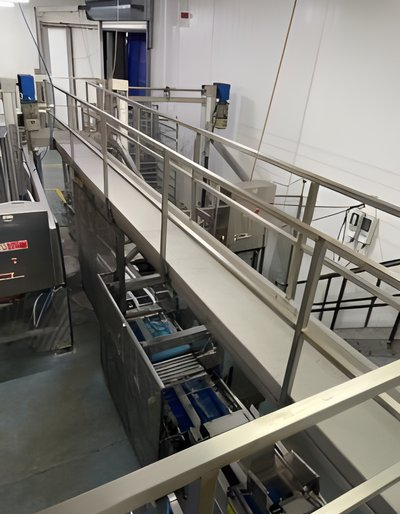
On 19 August 2025 a chargehand on a production line entered machinery through a gap in the guarding to clear a jam without isolating the power. He climbed onto the conveyor and pressed the lid to release the jam. The machine restarted, his right arm was pulled into the pusher section and he was drawn further into the mechanism until his head contacted moving parts. A colleague isolated the power and stopped the machine. The worker sustained a fractured jaw and trauma to his chest and right arm, required surgery to fit metal plates in his jaw and spent three days in hospital. He returned to work on 29 September 2025 and made a full recovery. An investigation found that a section of fixed guarding had been removed during maintenance about two weeks earlier and not put back. While the guard was missing staff had repeatedly used the gap to reach the machinery rather than the interlocked gate which would have cut power. The site weekly inspection checklist did not include checks on non electrical fixed guarding.
What Was The Outcome?
The employer pleaded guilty to breaches of Regulation 11(1) and (2) of the Provision and Use of Work Equipment Regulations 1998 and Section 33(1)(c) of the Health and Safety at Work etc. Act 1974. The company was fined 245,000 and ordered to pay a victim surcharge of 18,375 at Peterhead Sheriff Court on 28 October 2026.
Key Points To Consider
Restore fixed guards after maintenance. Require written sign off and records for any removal or modification of fixed guards and verify the guard is reinstated before equipment is returned to service.
Include all fixed guards in inspection checklists. Revise routine inspections to record the presence and integrity of non electrical fixed guards as well as interlocks and assign clear responsibility for those checks.
Enforce safe isolation and correct access routes. Require the use of the interlocked gate and formal lock off procedures before anyone enters machinery; verify training, supervision and removal of informal access routes that bypass safeguards.
Tags: regulatory, news, machinery safety, lockout tagout, safety training, audit, incident management
In Other News

Sign up to our newsletter
Most Read



Worker Injured In Warehouse Vehicle Collision
Fri 23rd Oct 2026


Electrical Company Fined After Worker Crushed By Unsecured Load
Fri 16th Oct 2026

Runaway Vehicle During Recovery Operation Causes Serious Injuries
Fri 16th Oct 2026
Apprentice Dies After Engine Room Fire Suppression Activation
Fri 16th Oct 2026

Life Changing Injury During Filming From A Moving Vehicle
Thu 15th Oct 2026

HSE Urges Early Action On Noise And Vibration Risks
Tue 13th Oct 2026