
Employer Fined After Fatal Fall From Mobile Loading Ramp During Container Loading
Fri 17th Jul 2026 by HS Hub
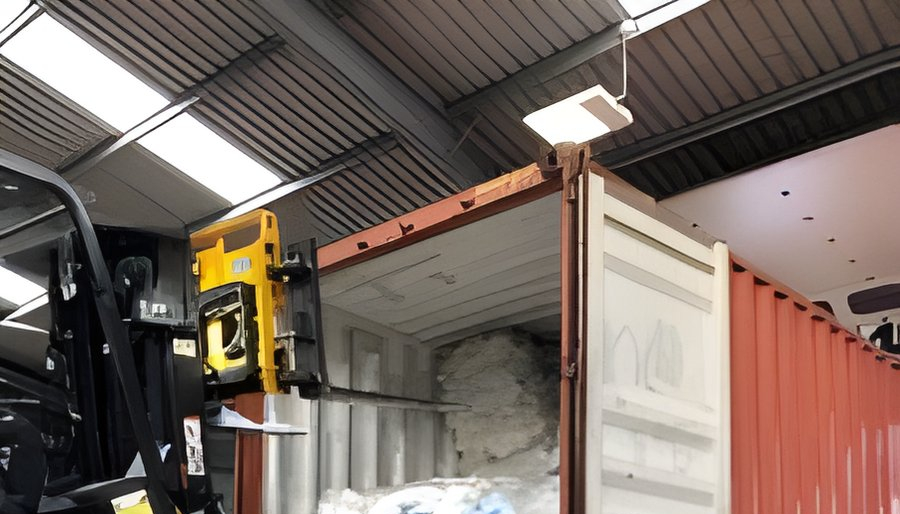
Employer Fined After Fatal Fall From Mobile Loading Ramp During Container Loading

Brief Summary
An employer was fined after a fatal fall of around 1.5 metres occurred when a bale slipped during container loading, leading to a fall onto a concrete floor. The investigation found poor risk assessment for the loading activity, inadequate consideration of pedestrian use of the ramp, and failure to install a handrail despite manufacturer instructions requiring it.
What Was The Incident?
During container loading at a warehouse site, a warehouse supervisor was helping to load plastic waste bales into a shipping container. As the supervisor accessed the mobile loading ramp, a plastic bale slipped from the forklift truck feeding the container loading. The slip caused the supervisor to step backwards and fall approximately 1.5 metres onto the concrete floor below.
What Was The Outcome?
The employer was fined £425,000 and ordered to pay costs of £119,258. The prosecution established breaches of the Health and Safety at Work etc Act 1974 Section 2(1) and relevant provisions of the Work at Height Regulations 2005, including failures relating to planning and avoiding work at height where reasonably practicable.
Key Points To Consider
Plan and assess work at height properly. Risk assessment for loading activities must properly consider fall risks and how the activity is carried out, including foreseeable scenarios during loading.
Control pedestrian access to mobile ramps. Where pedestrians may need to use mobile loading ramps, the employer must ensure suitable fall prevention measures are in place and that the ramp is used safely for pedestrian access.
Follow manufacturer instructions for protective equipment. If manufacturer guidance states that pedestrians must not use the ramp without handrails fitted, the required controls must be implemented before the ramp is used in that way.
Avoid work at height where it is reasonably practicable. Employers must actively consider reasonably practicable alternatives that avoid work at height altogether, such as using existing loading bays or changing the sequence to place containers on the ground before loading.
Manage new or changed working practices. Changes to established working practices can introduce new risks, so additional controls should be identified and implemented before the work starts.
Tags: regulatory, news, work at height, fall protection, access equipment, compliance
In Other News




Sign up to our newsletter
Most Read



Apprentice Dies After Engine Room Fire Suppression Activation
Fri 16th Oct 2026
Electrical Company Fined After Worker Crushed By Unsecured Load
Fri 16th Oct 2026


Life Changing Injury During Filming From A Moving Vehicle
Thu 15th Oct 2026


HSE Urges Early Action On Noise And Vibration Risks
Tue 13th Oct 2026
Landlord Sentenced For Failing To Arrange Annual Gas Safety Checks
Mon 12th Oct 2026


Worker Suffers Partial Thumb Loss During Manual Handling Task
Wed 7th Oct 2026