Company Fined After Incorrectly Assembled Scaffold Tower Injured Members of the Public
Fri 10th Jul 2026 by HS Hub

Company Fined After Incorrectly Assembled Scaffold Tower Injured Members of the Public

Brief Summary
HSE found that a mobile scaffold tower was assembled incorrectly, covered with sheeting that increased wind load, and was neither erected nor inspected properly by trained and competent people. The company had previously received a prohibition notice about unsafe scaffolding, and both the company and its sole director were penalised after two members of the public suffered serious injuries when the tower overturned.
What Was The Incident?
On 19 July 2023, operatives assembled a mobile tower scaffold on a busy high street while the company director was present overseeing the work. The scaffold had been assembled incorrectly and was not adequately separated from members of the public. The structure was then covered with sheeting, which acted as a sail in windy conditions. As wind loads were applied to the sheeted scaffold, the tower overturned, striking and trapping two members of the public and causing serious injuries.
What Was The Outcome?
The company was found guilty of breaching Regulation 19(2)(a) of the Construction Design and Management Regulations 2015. It was fined £20,000 and ordered to pay £7,000 in costs. The sole director was found guilty under Section 37 of the Health and Safety at Work etc Act 1974 and was fined £1,730 and ordered to pay £1,730 in costs.
Key Points To Consider
Ensure scaffolds can withstand foreseeable wind loading. Temporary structures must be designed, installed, and maintained so they can cope with environmental loads, including wind acting on any materials used on or around the scaffold.
Follow manufacturer instructions and established guidance. Scaffold towers must be erected in accordance with the manufacturer instructions and relevant industry guidance, including the steps needed to prevent instability and overturning.
Use properly trained and competent people for assembly and inspection. Correct assembly and inspection are essential, and scaffolds should be assembled and inspected by trained and competent persons rather than relying on inadequate competence or experience.
Act on prior enforcement and manage risk to the public. A prior prohibition notice should trigger immediate improvement, and where scaffolding is near the public, measures to separate the scaffold from members of the public and keep it stable must be effective before work starts.
Tags: regulatory, news, access equipment, construction safety, safety training, work at height, contractor safety
In Other News



Sign up to our newsletter
Most Read



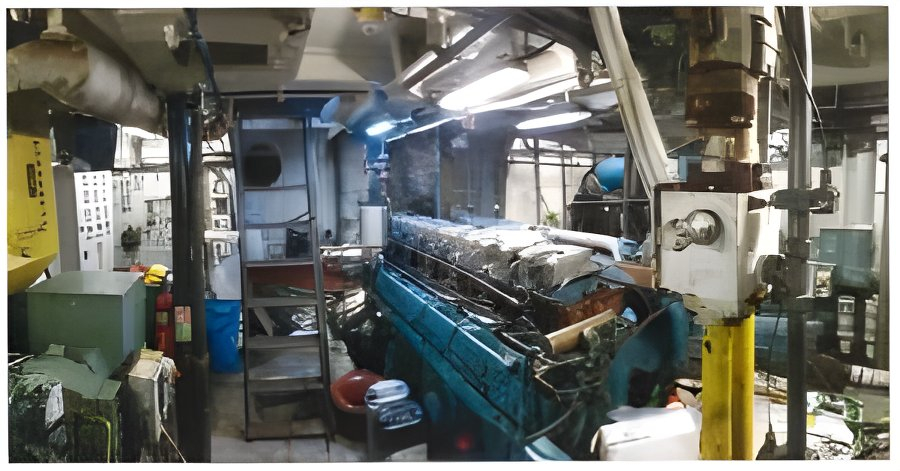
Apprentice Dies After Engine Room Fire Suppression Activation
Fri 16th Oct 2026
Electrical Company Fined After Worker Crushed By Unsecured Load
Fri 16th Oct 2026

Life Changing Injury During Filming From A Moving Vehicle
Thu 15th Oct 2026


HSE Urges Early Action On Noise And Vibration Risks
Tue 13th Oct 2026
Landlord Sentenced For Failing To Arrange Annual Gas Safety Checks
Mon 12th Oct 2026


Worker Suffers Partial Thumb Loss During Manual Handling Task
Wed 7th Oct 2026