
A Comprehensive Framework for Occupational Health and Safety Performance Evaluation
Wed 17th Jun 2026 by EBIS-HSE

A Comprehensive Framework for Occupational Health and Safety Performance Evaluation

This paper explores how organizations can evaluate occupational health and safety performance more effectively in a time of rapid technological, organizational, and regulatory change. It argues that strong OHS performance evaluation depends on more than tracking injury statistics. Instead, organizations need a broader framework that combines leading and lagging indicators, quantitative and qualitative measures, management commitment, and a mature safety culture. The paper places particular emphasis on ISO 45004:2024 as a practical reference point for building more structured, reliable, and improvement-focused evaluation systems.
Summary
The study concludes that effective occupational health and safety performance evaluation is achievable when organizations apply a structured and integrated framework.
The paper shows that meaningful evaluation requires the use of different groups of indicators at different organizational levels, supported by both proactive and reactive monitoring.
It also highlights that poor indicator selection, weak reporting culture, and misinterpretation of data can lead to incorrect conclusions and reduce the value of performance evaluation.
The report’s major finding is that OHS performance evaluation works best when it is not treated as a narrow compliance exercise, but as a wider organizational process connected to management systems, worker participation, and business performance. The authors emphasize that each level of the organization, from top management to supervisors and workers, needs relevant indicators aligned with its responsibilities and influence on safety outcomes.
A particularly important insight is that a positive safety culture is central to reliable performance evaluation. Without trust, transparency, and open worker participation, organizations risk underreporting, distorted data, and superficial compliance. In contrast, when safety culture is strong, performance data becomes more accurate, more useful, and more capable of driving continual improvement.
Overall, the paper argues that effective OHS evaluation depends on combining standardized methods such as ISO 45004:2024 with leadership commitment, worker engagement, and integration into wider business processes. In this sense, performance evaluation becomes both a safety tool and a strategic management tool that strengthens worker protection and organizational resilience.
Aim & Context
The study set out to address the limited recent understanding of how to achieve effective occupational health and safety performance evaluation.
The authors identified a gap in both the volume of recent studies and the level of practical understanding in this area.
The aim was to investigate how OHS performance can be evaluated effectively, identify the most significant indicators, examine the organizational levels and functions where indicators are collected, and present a practical framework for achieving better evaluation outcomes.
Methodology
The paper used a literature-based analytical approach rather than an empirical field study.
The authors reviewed recent scientific and professional literature alongside relevant international standards, with particular emphasis on ISO 45004:2024.
The methodology combined deductive and inductive analysis, content analysis of scientific and professional sources, descriptive explanation of key concepts, and synthesis of findings.
The paper also tested three hypotheses:
- that each organizational level or function has its own group of OHS performance indicators,
- that there are factors that can lead to incorrect conclusions in OHS performance evaluation,
- and that effective OHS performance evaluation is possible.
All three hypotheses were confirmed.
Key Findings
1. Different organizational levels require different indicators
The paper found that OHS performance should be measured through indicators tailored to different levels and functions within the organization.
Top management, OHS professionals, department managers, supervisors, and workers each require different forms of information, from injury trends and compliance rates to worker participation, procedure updates, and implementation of corrective actions.
2. Both leading and lagging indicators are necessary
The authors stress that organizations should combine proactive leading indicators with reactive lagging indicators.
Leading indicators, such as training participation or completion of risk reduction activities, help predict and improve future performance. Lagging indicators, such as injury frequency or occupational disease rates, help assess past outcomes. Together, they provide a more complete picture of OHS performance.
3. Quantitative and qualitative measures should be integrated
The paper highlights the importance of combining measurable data with more interpretive evidence.
Quantitative indicators support tracking and comparison, while qualitative indicators such as audit findings, reviews, or worker feedback provide context and deeper understanding of why performance is improving or deteriorating.
4. Poor indicator use can distort conclusions
A major finding is that ineffective evaluation can result from poorly chosen or misused indicators.
The paper identifies several risks, including lack of worker participation, excessive focus on frequent but less severe incidents, poor communication with stakeholders, overly complex measures, and incentive systems that encourage underreporting or distorted reporting.
5. Safety culture is a core foundation for effective evaluation
The paper argues that safety culture is not separate from performance evaluation but central to it.
A strong safety culture improves reporting, trust, participation, and preventive action. A weak safety culture leads to silence, poor-quality data, and reactive safety management. Management behavior and worker confidence are both essential in shaping this culture.
6. OHS evaluation should be integrated into wider business processes
The paper also finds that OHS performance evaluation should be aligned with broader management systems and business operations.
Examples include integration with quality and environmental audits, incident investigation systems, procurement processes, equipment calibration programs, exposure monitoring, and surveys on organizational culture and psychosocial well-being.
Takeaways for Practice
Organizations should design OHS performance evaluation systems that reflect the responsibilities and risks present at each level of the business.
They should avoid relying only on injury statistics and instead build balanced frameworks using leading and lagging, quantitative and qualitative indicators.
Management should take an active role in setting indicators, reviewing results, and ensuring that workers can participate freely without fear of negative consequences.
A strong reporting culture and a mature safety culture are essential for trustworthy data and meaningful improvement.
Finally, OHS performance evaluation should be integrated into broader business systems so that safety is managed as part of overall organizational effectiveness rather than as a separate compliance activity.
Read the full research study here:
Kovačić, F., Katić, T., & Palačić, D. (2025). A comprehensive framework for occupational health and safety performance evaluation. Presented at the 21st International Conference “Man and Working Environment” – SEMSIE 2025, Sokobanja, Serbia. https://casopisi.junis.ni.ac.rs/index.php/FUWorkLivEnvProt/article/download/14239/5960
Tags: research, news, occupational health, safety technology
In Other News




Sign up to our newsletter
Most Read



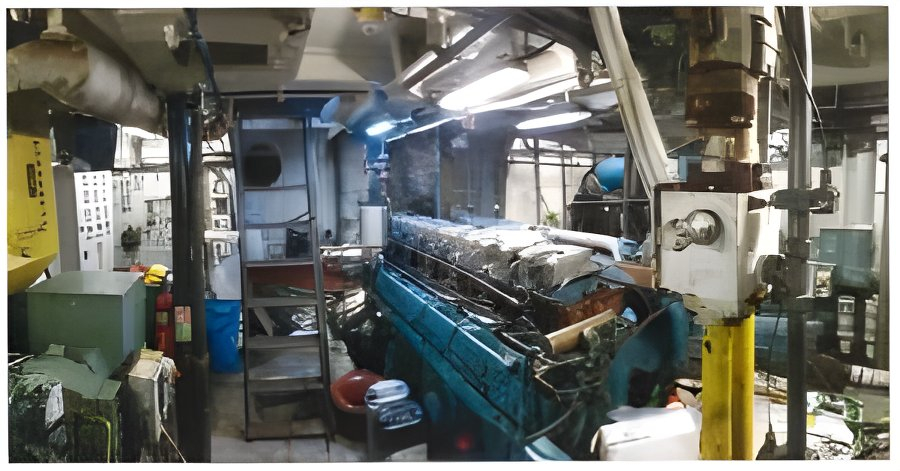
Apprentice Dies After Engine Room Fire Suppression Activation
Fri 16th Oct 2026

Electrical Company Fined After Worker Crushed By Unsecured Load
Fri 16th Oct 2026
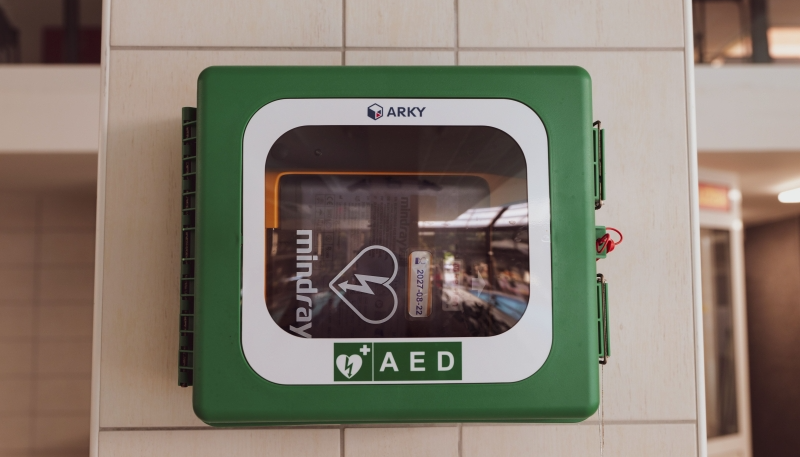

Life Changing Injury During Filming From A Moving Vehicle
Thu 15th Oct 2026


HSE Urges Early Action On Noise And Vibration Risks
Tue 13th Oct 2026
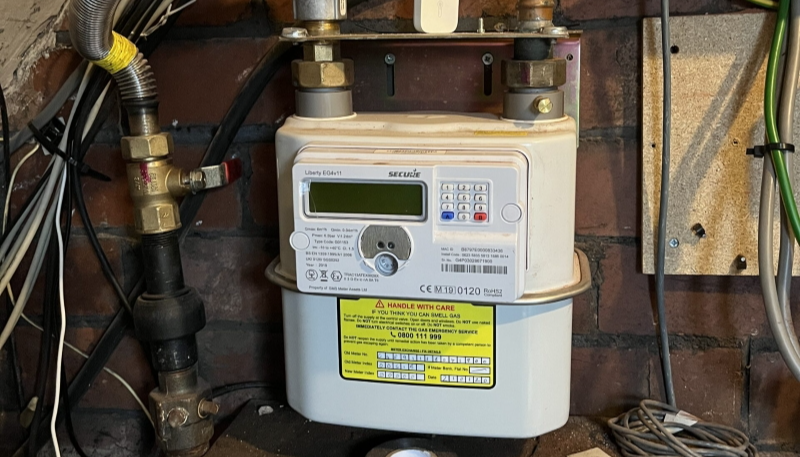
Landlord Sentenced For Failing To Arrange Annual Gas Safety Checks
Mon 12th Oct 2026



Worker Suffers Partial Thumb Loss During Manual Handling Task
Wed 7th Oct 2026