
Manufacturer Fined For Failing To Control Welding Fume And Noise Risks
Thu 18th Jun 2026 by HS Hub

Manufacturer Fined For Failing To Control Welding Fume And Noise Risks

Brief Summary
A Lancashire manufacturer of skips and metal containers was fined for failing to comply with two improvement notices relating to welding fume control and health surveillance. The case highlights the importance of putting effective control measures in place and verifying they are working, particularly where carcinogenic welding fumes and high noise levels are involved.
What Was The Incident?
During an HSE visit to the employer site on 29 August 2024, inspectors found several health and safety shortcomings, including high intensity mild steel welding carried out without adequate local exhaust ventilation, inadequate welfare facilities, and a lack of assessment of noise risk. On later visits, HSE found the employer had not complied with enforcement notices served in September 2024 and February 2025, including those relating to control of welding fumes and health surveillance for noise. Employees were left exposed to carcinogenic welding fumes and were not provided with health surveillance to monitor hearing during noise exposure.
What Was The Outcome?
The employer was found guilty at Warrington Magistrates Court of failing to comply with two improvement notices under section 33 of the Health and Safety at Work Act 1974. It was fined £30000 and ordered to pay £4571 in costs plus a £2000 victim surcharge on 16 June 2026.
Key Points To Consider
Comply with improvement and enforcement notices on time. Do not treat notices as optional or delayed actions, and ensure the required controls are implemented and evidenced after each notice deadline.
Control welding fume risk with appropriate ventilation and protection. For mild steel welding fumes, suitable control measures are needed, including ventilation, and where ventilation does not adequately control exposure, respiratory protective equipment must be provided before welding continues.
Provide health surveillance when noise risk is present. Where employees are regularly exposed to high noise levels, or particularly at risk, employers must provide health surveillance involving hearing checks to identify early damage and ensure controls remain effective.
Assess and manage health risks beyond the immediate task. Inspectors identified wider site issues during the visit, showing that health and safety management must cover all relevant risks, including noise assessment and welfare arrangements.
Verify controls work after enforcement action. If HSE returns to check compliance, you must be able to show that welding fume controls and noise surveillance have been implemented properly and are continuing to reduce exposure.
Tags: regulatory, news, coshh, noise & vibration, occupational health, compliance

In Other News


Sign up to our newsletter
Most Read






Worker Crushed In Unsupported Trench Causes Prosecution
Wed 9th Sep 2026


Worker Suffers Arm Fractures After Unguarded Conveyor
Fri 4th Sep 2026

Farmer Fined After ATV Overturn Kills Employee
Fri 4th Sep 2026

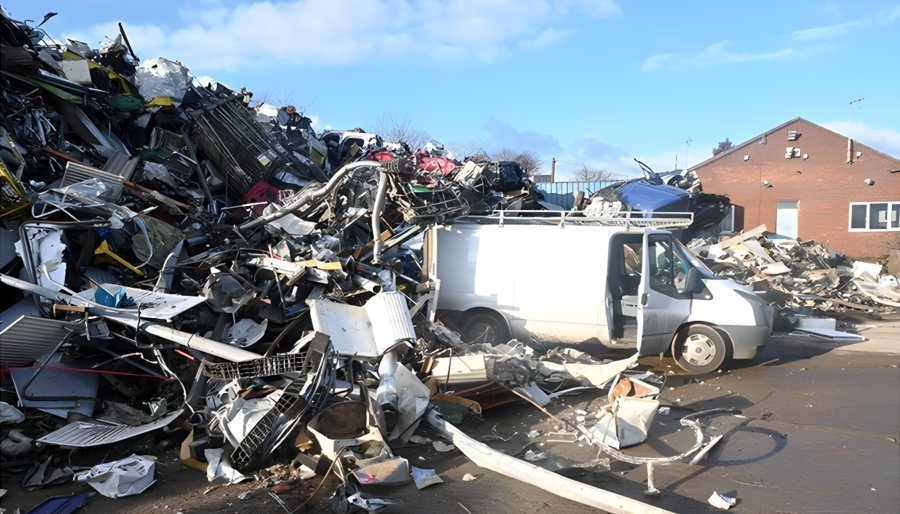
Public Injured When Scrap Metal Pile Collapsed
Wed 2nd Sep 2026

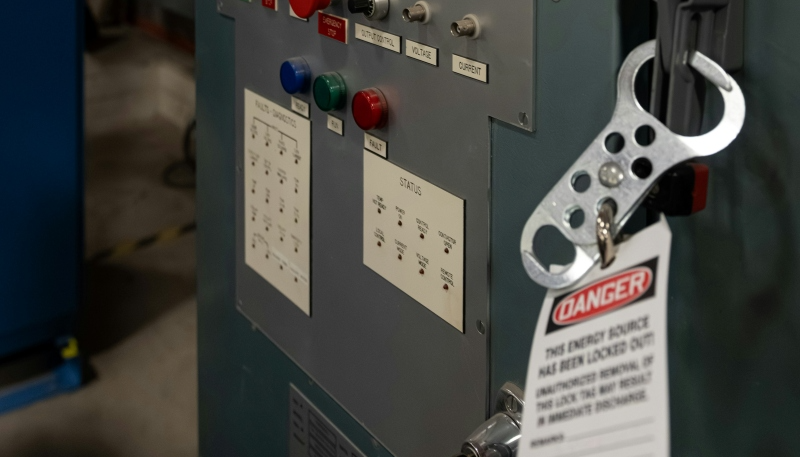
Supervisor Severely Injured After Entering Live Palletiser
Fri 28th Aug 2026

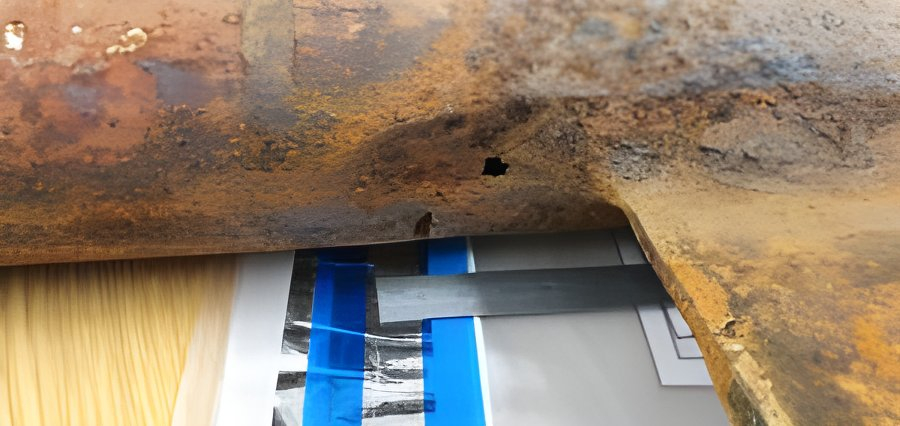
Six Figure Fine After Repeated Corrosion Under Insulation Leaks
Wed 26th Aug 2026
Worker Fractures Twelve Ribs During Pillar Drill Lifting Incident
Wed 26th Aug 2026