
Manual Handling Regulations: A Practical Guide for UK Employers
Thu 23rd Jul 2026 by HS Hub
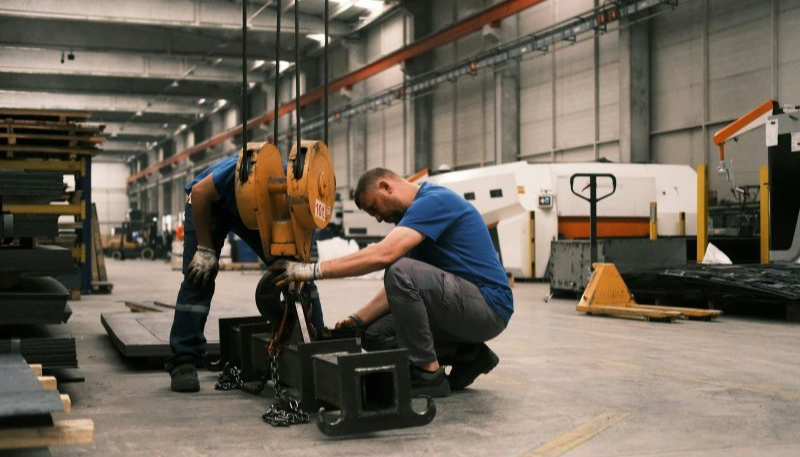
Manual Handling Regulations: A Practical Guide for UK Employers

Overview
Manual handling risk is often created by decisions about layout, storage, purchasing, staffing and work pace before anyone lifts a load. Employers must avoid hazardous manual handling where reasonably practicable, assess operations that remain and reduce the risk of injury. Training forms part of the response, but it cannot correct badly designed work on its own.
Risk begins with work design
A manual handling operation includes moving or supporting a load by bodily force, whether by lifting, lowering, carrying, pushing or pulling. The risk is not determined by weight alone. Load size and stability, storage position, frequency, space and worker capability all affect the operation.
Managers should examine how the need for handling arose. Materials may be delivered in unsuitable units, stored at floor level, moved through narrow routes or repeatedly transferred between work areas. HSE advises employers to avoid hazardous operations by redesigning the task or automating or mechanising the process where reasonably practicable.
Procurement and workplace planning therefore form part of prevention. Smaller packages, better grips, correctly positioned delivery points, adjustable work heights and suitable lifting equipment may remove or reduce the physical demand before it reaches the worker.
Assess the complete handling system
Where handling remains necessary, assessment should follow the load through the full task rather than considering one lift in isolation. It should cover picking up, carrying or moving, placing down and any repetition over the shift.
The assessment should consider four connected areas. The task may involve twisting, stooping, reaching, long carrying distances or a demanding pace. The load may be bulky, unstable, difficult to grasp or capable of sudden movement. The environment may have uneven floors, steps, restricted space, poor lighting or unsuitable temperatures. Individual capability varies, so fixed work heights or standard methods may not suit everyone.
Consulting workers helps expose problems that documents may miss. They may know that a trolley will not fit through a doorway, that stock is routinely heavier than stated or that production demands make the assessed method unrealistic. HSE advises employers to involve workers and their representatives when assessing handling risks and selecting solutions.
Select controls that workers can use
Mechanical aids can remove or reduce risk, but they must be chosen for the operation. HSE recommends equipment such as trolleys and hoists where appropriate. Selection should consider access, load capacity, manoeuvring space, storage, maintenance and the training needed to use the aid safely.
Changes to the task may be equally effective. Managers can shorten carrying distances, improve floor conditions, alter shelf heights, break loads into smaller units or change work routines that create excessive repetition or time pressure.
Good handling technique may help once these measures are in place. It is not a substitute for reducing risk at source. A worker cannot compensate reliably for an awkward load, poor layout or unrealistic pace simply by being told to lift correctly.
Use operational evidence to test the assessment
A completed assessment is only useful if the controls match everyday practice. Supervisors should observe tasks, check whether aids are used and ask why workers improvise. Early reports of fatigue, discomfort or difficulty should prompt investigation rather than waiting for an injury.
Review is also needed when suppliers, loads, equipment, staffing, storage or production methods change. Employers with five or more employees must record significant risk-assessment findings, but the record should support action and ownership rather than become the end of the process.
Common compliance gaps
Weak arrangements often include assessments copied across different tasks, handling aids selected without worker input, and training delivered without checking the work area. Other warning signs are equipment left unavailable or unmaintained, storage layouts that drift over time and no response to repeated complaints.
Manager checklist
- Is manual handling considered during procurement and workplace design?
- Can deliveries, storage or work sequence be changed to remove movement?
- Does the assessment follow the complete task?
- Are worker differences and non-routine situations considered?
- Can handling aids be used in the available space?
- Are supervisors checking actual practice?
- Are symptoms and near misses investigated promptly?
- Do operational changes trigger reassessment?
Frequently asked questions
Does manual handling law apply only to lifting?
No. It also covers lowering, carrying, pushing, pulling, moving and supporting loads.
Can a guideline weight be treated as a safe limit?
No. HSE does not set a universal safe lifting weight. Guideline figures help identify when closer assessment may be needed.
Who should be involved in selecting handling aids?
The employer should involve the workers who perform the task and those responsible for purchasing and maintenance.
What must employees do?
Employees should follow the systems of work provided and use handling equipment and training properly.
Which jurisdiction does this cover?
The Manual Handling Operations Regulations 1992 apply in Great Britain. Northern Ireland has separate 1992 regulations with comparable employer duties.
Tags: article, manual handling, compliance, safety training, occupational health
In Other News



Sign up to our newsletter
Most Read




Runaway Vehicle During Recovery Operation Causes Serious Injuries
Fri 16th Oct 2026
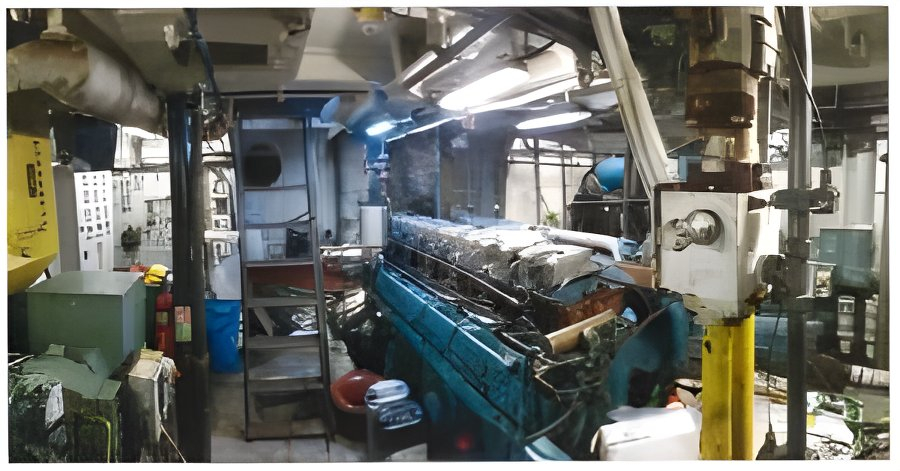
Apprentice Dies After Engine Room Fire Suppression Activation
Fri 16th Oct 2026

Life Changing Injury During Filming From A Moving Vehicle
Thu 15th Oct 2026


HSE Urges Early Action On Noise And Vibration Risks
Tue 13th Oct 2026
Landlord Sentenced For Failing To Arrange Annual Gas Safety Checks
Mon 12th Oct 2026


Worker Suffers Partial Thumb Loss During Manual Handling Task
Wed 7th Oct 2026