
Managing Work at Height: From Planning to Safe Completion
Thu 30th Jul 2026 by HS Hub
Managing Work at Height: From Planning to Safe Completion

Overview
Managers need to control the whole work-at-height process, from defining the task and appointing competent people to selecting equipment, supervising the work and preparing for emergencies. The method should reflect the actual location and conditions rather than a standard risk assessment reused for different jobs.
This article addresses the Work at Height Regulations 2005 in Great Britain. Separate 2005 regulations apply in Northern Ireland and set similar expectations for planning, supervision, competence and equipment.
Before the work is approved:
The work description should identify where a person could fall, including edges, openings, pits and fragile surfaces. Work at height is defined by the risk of injury from a fall between levels, not by a set measurement above the ground.
Managers should then ask whether the task can be changed. Cleaning, inspection or maintenance may sometimes be completed with extendable equipment, by lowering plant to ground level or by carrying out assembly before components are raised into position. Avoiding exposure is the first step in HSE’s control hierarchy.
The plan should describe the task, access route, working position, equipment, supervision and rescue arrangements. It should also consider duration, frequency, surface condition and weather that could affect safety. Low-risk work may require a simple plan, but it must still be suitable for the job.
Choosing how people will reach and perform the work:
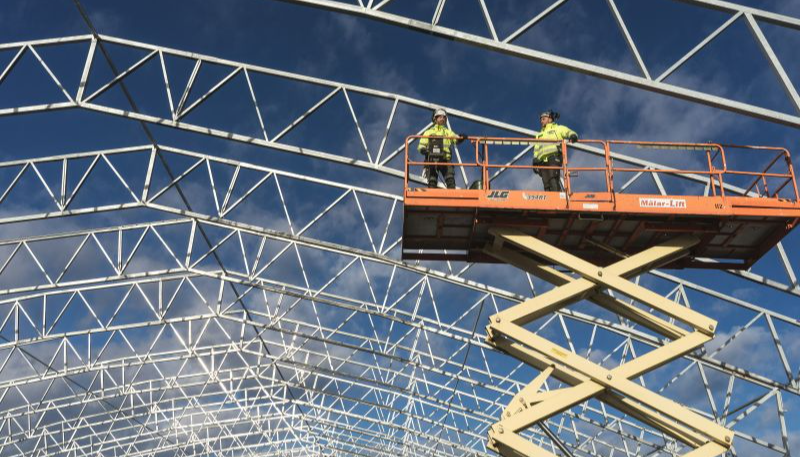
Where height cannot be avoided, the preferred method is one that prevents a fall and protects everyone exposed. Permanent edge protection, scaffolds, tower scaffolds and mobile elevating work platforms can provide collective protection because their effectiveness does not depend entirely on the worker taking individual action.
Personal systems may be appropriate where collective controls are not reasonably practicable. Work restraint prevents a person reaching a position from which they could fall. Fall arrest acts after a fall begins and must therefore be accompanied by suitable anchorage, clearance and rescue arrangements.
A ladder should be selected only after the risk has been assessed. It may be suitable for light, low-risk work of short duration, provided it can be positioned securely and used safely. A task expected to keep someone on a ladder for more than about 30 minutes at a time should prompt consideration of alternative equipment.
Checking the people and the site:
Competence should match the task. Workers need sufficient practical knowledge to use the selected equipment safely. Supervisors need enough understanding to recognise when conditions or behaviour no longer match the plan. More technical work, such as scaffold planning or specialist access, may require formal training, certification and relevant experience.
Before work starts, the team should check access, ground stability, equipment condition, nearby openings and overhead hazards. Weather should be reconsidered rather than treated as a one-off planning entry. Work should stop where wind, rain, ice, poor visibility or another change makes the selected method unsafe.
Managing fragile surfaces:
Roofs and rooflights require specific attention. HSE advises that roofs should be treated as fragile until a competent person has confirmed otherwise. The risk applies to short maintenance and cleaning work as well as longer construction tasks.
Where access near a fragile surface cannot be avoided, controls may include suitable platforms, stagings, guard rails, restraint or arrest equipment and safety nets. Warning signs and instructions are also required, but they do not replace physical protection. Clients and contractors should agree the precautions before work begins.
Keeping control while the work proceeds:
Supervision should confirm that the approved equipment and method remain in use. Reaching from a ladder, climbing from a MEWP basket or moving a tower while occupied may indicate that the original method is unsuitable or that work has drifted from the plan.
Equipment should receive pre-use checks and any formal inspections required for its type and conditions of use. Inspection records help managers track deterioration, but visible defects or a change affecting stability should lead to immediate review rather than waiting for the next scheduled inspection.
Common compliance gaps:
Common failures include treating repeated short tasks as too minor to plan, issuing harnesses without a rescue method and selecting access equipment from what is available rather than what the task requires.
Other concerns are weak client contractor coordination, supervisors unable to challenge unsafe methods, and risk assessments that do not address weather, fragile materials or changes during the work.
Manager checklist
- Is the task and fall exposure clearly defined?
- Can the work be completed from ground level?
- Does the access method prevent falls where reasonably practicable?
- Is personal fall protection justified and supported by rescue arrangements?
- Are competence and supervision proportionate to the work?
- Have site conditions and fragile surfaces been checked?
- Are equipment defects and inspection findings acted upon?
- Is there authority to stop work when conditions change?
Frequently Asked Questions
Does a short task need planning?
Yes. The amount of planning can be proportionate, but short duration does not remove the duty to assess and control the risk.
Can a harness replace guard rails?
A harness does not automatically provide an equivalent control. Collective fall prevention should be considered before personal systems.
Who needs work-at-height competence?
The people organising, supervising and carrying out the work need competence appropriate to their responsibilities. Trainees should be supervised by a competent person.
What should happen when conditions change?
The task and precautions should be reviewed. Work should not continue where the equipment, surface, weather or work method no longer matches the assessment.
Tags: article, work at height, construction safety, fall protection, regulatory

In Other News




Sign up to our newsletter
Most Read





Worker Suffers Arm Fractures After Unguarded Conveyor
Fri 4th Sep 2026
Farmer Fined After ATV Overturn Kills Employee
Fri 4th Sep 2026
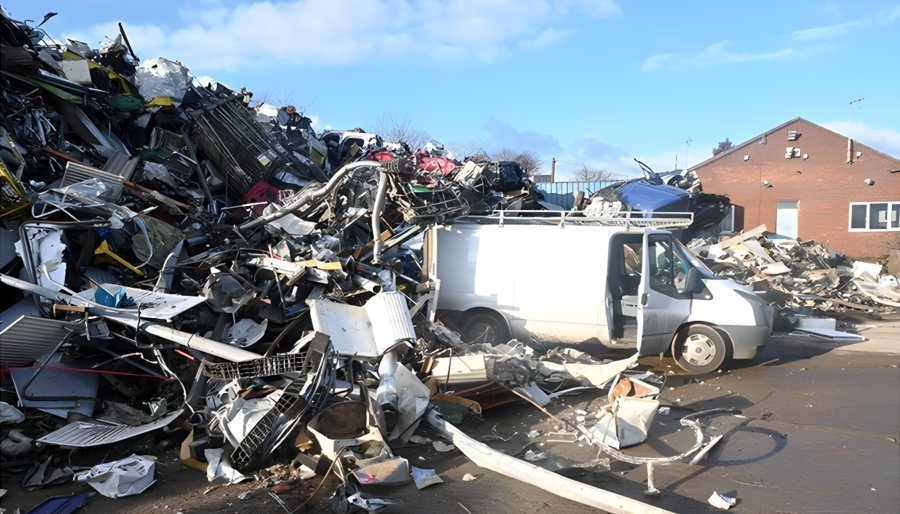
Public Injured When Scrap Metal Pile Collapsed
Wed 2nd Sep 2026
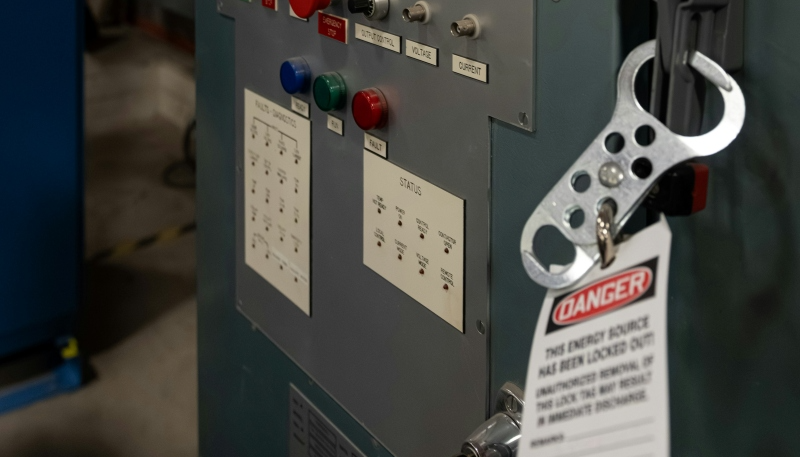
Supervisor Severely Injured After Entering Live Palletiser
Fri 28th Aug 2026


Six Figure Fine After Repeated Corrosion Under Insulation Leaks
Wed 26th Aug 2026
Worker Fractures Twelve Ribs During Pillar Drill Lifting Incident
Wed 26th Aug 2026

Strengthening Preventive Workplace Safety
Tue 25th Aug 2026


When Does an Enclosed Workplace Become a Confined Space?
Thu 20th Aug 2026