
Occupational Safety Education: The Impact of Active Learning and Sector Specific Training on Young Worker Injuries
Tue 21st Jul 2026 by EBIS-HSE

Occupational Safety Education: The Impact of Active Learning and Sector Specific Training on Young Worker Injuries

Occupational Safety Education: The Impact of Active Learning and Sector Specific Training on Young Worker Injuries
This review examines how occupational health and safety education can better protect young workers as they move from school into employment. Drawing on 32 international studies, it shows that safety education is most effective when it is practical, active, and tailored to the real risks of specific sectors. The evidence also highlights a critical danger period during the first month of work, when inexperienced young workers face their highest injury risk. The central message is that early, realistic, and sector-specific safety training can help close this vulnerability gap and reduce preventable harm.
Summary
The study concludes that occupational health and safety education plays a major preventive role in reducing injuries among young workers.
It finds that active learning approaches, such as simulations, problem-based teaching, and participatory safety models, are more effective than passive lecture-based instruction in improving safety awareness, motivation, and behavior.
The review also shows that generic safety education is often insufficient because different sectors expose workers to very different hazards. As a result, curricula need to be designed around the real accident patterns of sectors such as construction, mining, healthcare, and general industry.
The report’s major finding is that school-based OHS education can significantly reduce injury risk, especially during the transition into work. One of the strongest pieces of evidence came from a French cohort study showing that young workers who received OHS education during schooling had about half the injury risk of those who did not.
The review further shows that specific first aid training and active learning approaches can strengthen this protective effect.
A particularly important insight is the “first month effect.” Across several studies, the first month of employment emerged as the period of greatest vulnerability, with accident rates highest among workers with the least experience. This means that OHS education should not end with general theory in school. It should prepare students specifically for the uncertainty, pressure, and low supervision they may encounter when they first enter the workplace.
Overall, the review argues that sustainable occupational safety depends on building safety competence before young people enter employment. It emphasizes that effective prevention requires a shift from passive compliance-based training to active, sector-responsive learning that helps students recognize hazards, make decisions under pressure, and carry safety knowledge into real work environments.
Aim & Context
The study explored how occupational health and safety education can be improved to better protect young workers.
It focused on three main questions:
- how different teaching methods affect safety awareness and injury rates,
- how accident patterns in specific sectors should shape curriculum design,
- and what role school based OHS education plays in reducing injuries during the first month of employment.
The review was developed in response to concerns that many graduates enter work with theoretical knowledge but without the practical safety competence needed to handle real hazards in sectors such as construction, mining, and healthcare.
Methodology
The study was designed as a systematic mixed-methods review using a convergent integrated synthesis approach.
The author searched four major scientific databases:
- Scopus
- Web of Science
- PubMed
- Science Direct
The review included peer-reviewed studies published between 2004 and 2025.
Studies were selected if they examined OHS training programs in vocational or workplace settings, focused on young workers or vocational students, provided sector-specific accident data, and met basic methodological quality requirements.
In total, 32 international studies were included.
Because the studies used highly different outcome measures, a formal meta analysis was not carried out. Instead, the review combined narrative synthesis of quantitative findings with thematic analysis of qualitative findings.
Key Findings
1. Active learning is more effective than passive instruction
The review found that interactive and participatory teaching methods outperform traditional lectures.
Approaches such as ZeroSicks, active learning, workplace scenarios, and safety skills training were associated with stronger safety awareness, better motivation, improved internal safety control, and more meaningful engagement with risk.
2. School based OHS education can reduce injury risk
Evidence from the reviewed studies suggests that OHS education received during schooling can lead to significantly lower workplace injury rates.
This supports the view that safety preparation should begin before employment and continue into the transition period rather than relying only on employer induction.
3. Sector-specific curricula are essential
The review strongly challenges one-size-fits-all OHS education.
Construction training needs to focus on falls from height, scaffolding, and struck-by hazards.
Mining and industrial training need to focus on machinery safety, lockout procedures, and emergency response.
Healthcare training must go beyond biological risks to include transport safety, ergonomics, and patient handling.
General and service-sector training needs to address slips, trips, falls, and induction risks for new workers.
4. The first month of employment is the highest-risk period
A major finding of the review is that accident frequency is highest during the first month of work.
Young workers are particularly vulnerable during this induction period because they are unfamiliar with hazards, procedures, and workplace culture. This makes the transition from school to work one of the most important targets for prevention.
5. Mentorship and workplace culture matter
The review shows that safety is not learned only through formal instruction.
Young workers often need guidance from experienced co-workers to understand how to apply safety principles in real production settings. Without mentorship and supportive safety culture, even well-designed training may fail to translate into safe practice.
6. Small enterprises face greater challenges
The evidence also shows that smaller firms tend to have fewer resources for robust OHS systems and training.
This means young workers entering small and medium-sized enterprises may need even stronger pre-employment safety preparation, because workplace onboarding may be weaker than in larger organizations.
Takeaways for Practice
- Vocational education providers should move beyond generic safety modules and adopt active, practical, and sector-specific training.
- They should also introduce transition-focused learning, especially simulations or induction exercises that prepare students for the first month of real work.
- Policymakers and curriculum developers should use accident data to update OHS education regularly, ensuring that training reflects the most common and severe risks in each sector.
- Employers, especially in high risk and small enterprise settings, should not assume that graduates are automatically job ready. Structured support, mentoring, and reinforcement of safety skills remain essential during the early employment period.
- The review makes clear that reducing young worker injuries requires a continuous safety pathway from the classroom to the workplace.
Read the full research study here:
Caner, V. (2026). Active learning and sector specific simulations mitigate the first-month injury risk in young workers. Frontiers in Public Health, 14, 1767451. https://doi.org/10.3389/fpubh.2026.1767451
Tags: research, safety training, occupational health, compliance
In Other News




Sign up to our newsletter
Most Read




Electrical Company Fined After Worker Crushed By Unsecured Load
Fri 16th Oct 2026
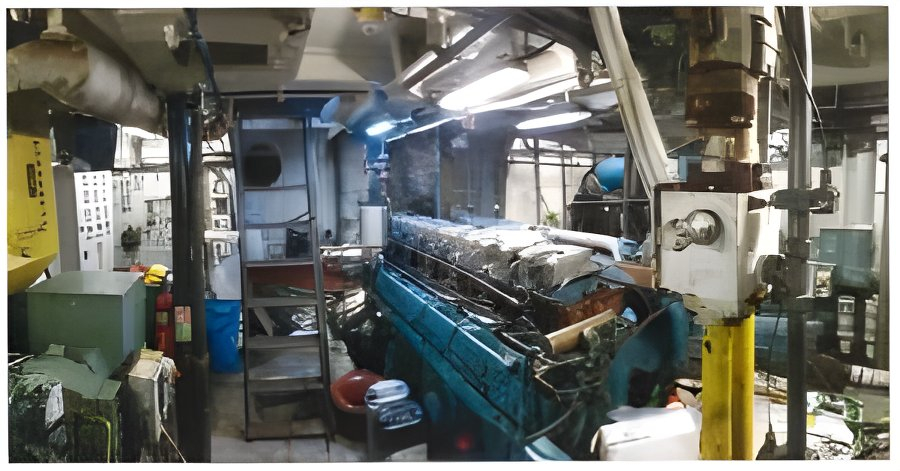
Apprentice Dies After Engine Room Fire Suppression Activation
Fri 16th Oct 2026

Life Changing Injury During Filming From A Moving Vehicle
Thu 15th Oct 2026


HSE Urges Early Action On Noise And Vibration Risks
Tue 13th Oct 2026
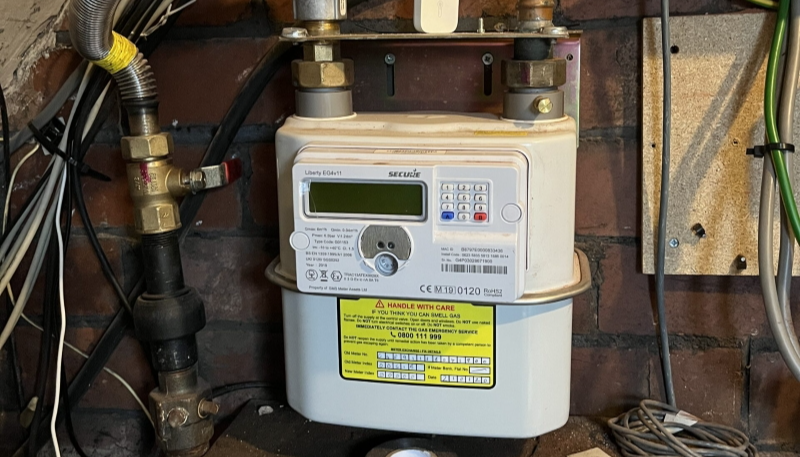
Landlord Sentenced For Failing To Arrange Annual Gas Safety Checks
Mon 12th Oct 2026


Worker Suffers Partial Thumb Loss During Manual Handling Task
Wed 7th Oct 2026