
Worker Suffers Life Changing Injuries During Steel Frame Dismantling
Thu 30th Jul 2026 by HS Hub
Worker Suffers Life Changing Injuries During Steel Frame Dismantling

Brief Summary
A worker was severely injured when a temporary internal steel beam fell during dismantling. The incident occurred because the task was not planned as a dismantling operation, a ratchet strap not designed for lifting was used to lower a beam of over 100 kg, and concerns raised by a worker were not acted on. The case resulted in prosecution and penalties and offers clear lessons for those managing dismantling and demolition type work.
What Was The Incident?
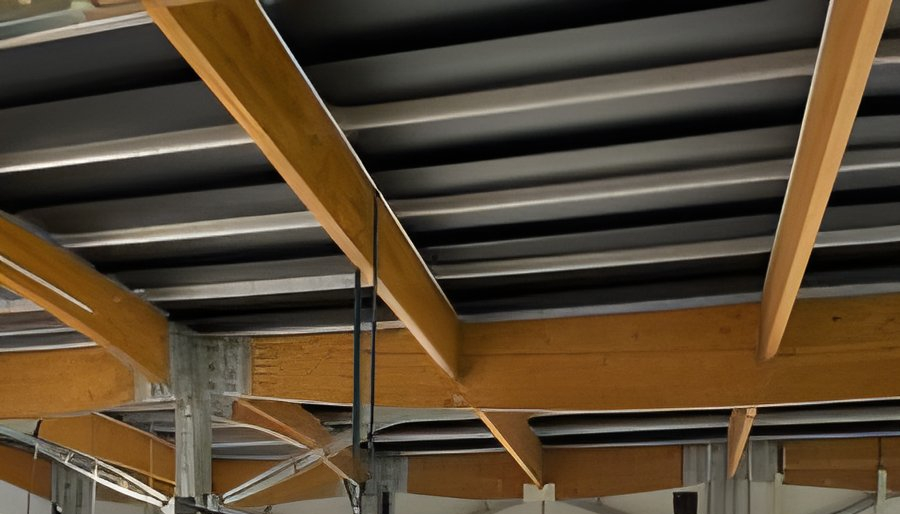
While dismantling an internal temporary steel frame the team lowered a steel beam using a ratchet strap. The strap was not designed for lifting or lowering loads and failed. The beam fell onto a worker who suffered multiple fractures to the back, a punctured lung and a broken leg. The decision to use the strap was made on site and continued despite the injured worker expressing safety concerns. HSE found there was no proper planning or written safe system of work for the dismantling sequence as recommended in guidance on structural stability during alteration demolition and dismantling.
What Was The Outcome?
The employer pleaded guilty to breaching Regulation 16(1) of the Construction Design and Management Regulations 2015 by virtue of Regulation 20(1) and was fined £12,000 and ordered to pay £6,949 in costs at Guildford Magistrates Court on 28 July 2026. A director pleaded guilty to breaching Section 37 of the Health and Safety at Work etc Act 1974 by virtue of Regulation 16(1) of the Construction Design and Management Regulations 2015 and Regulation 20(1) and received a community order requiring 75 hours of unpaid work.
Key Points To Consider
Written dismantling plan. Produce a written safe system of work or method statement for any demolition or dismantling that sets out the sequence to prevent accidental collapse and records who is competent to carry out each task.
Use suitable lifting and lowering equipment. Verify load weights and ensure equipment is rated and certified for lifting not just restraint; do not use straps or hardware that are not designed or tested for lifting operations and document inspection and selection of lifting gear.
Enable concerns to stop unsafe activity. Make clear that workers can and should stop work if they believe a method is unsafe, ensure supervisors act on those concerns and record decisions to proceed so that accountability and risk control are demonstrable.
Tags: regulatory, news, construction safety, permit to work, contractor safety, incident management
In Other News



Sign up to our newsletter
Most Read





Worker Suffers Arm Fractures After Unguarded Conveyor
Fri 4th Sep 2026

Farmer Fined After ATV Overturn Kills Employee
Fri 4th Sep 2026
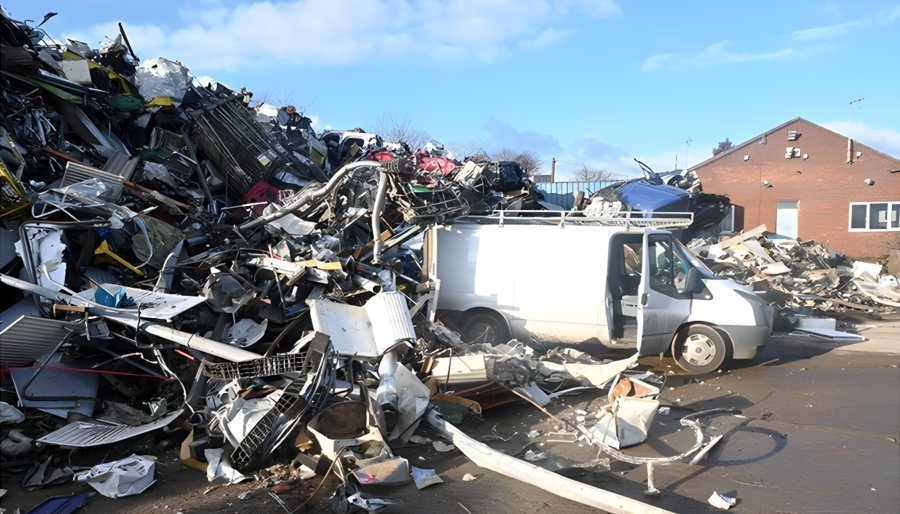
Public Injured When Scrap Metal Pile Collapsed
Wed 2nd Sep 2026
Supervisor Severely Injured After Entering Live Palletiser
Fri 28th Aug 2026

Six Figure Fine After Repeated Corrosion Under Insulation Leaks
Wed 26th Aug 2026
Worker Fractures Twelve Ribs During Pillar Drill Lifting Incident
Wed 26th Aug 2026

Strengthening Preventive Workplace Safety
Tue 25th Aug 2026

When Does an Enclosed Workplace Become a Confined Space?
Thu 20th Aug 2026