
Two Firms Fined After Temporary Platform Collapse Injures Drilling Operative
Mon 15th Jun 2026 by HS Hub
Two Firms Fined After Temporary Platform Collapse Injures Drilling Operative

Brief Summary
An avoidable incident occurred during refurbishment work where temporary wooden platforms built to catch concrete debris collapsed. HSE found serious failures in temporary works design, loading control, competence, inspection quality, planning, management and coordination, leading to convictions and fines for both firms.
What Was The Incident?
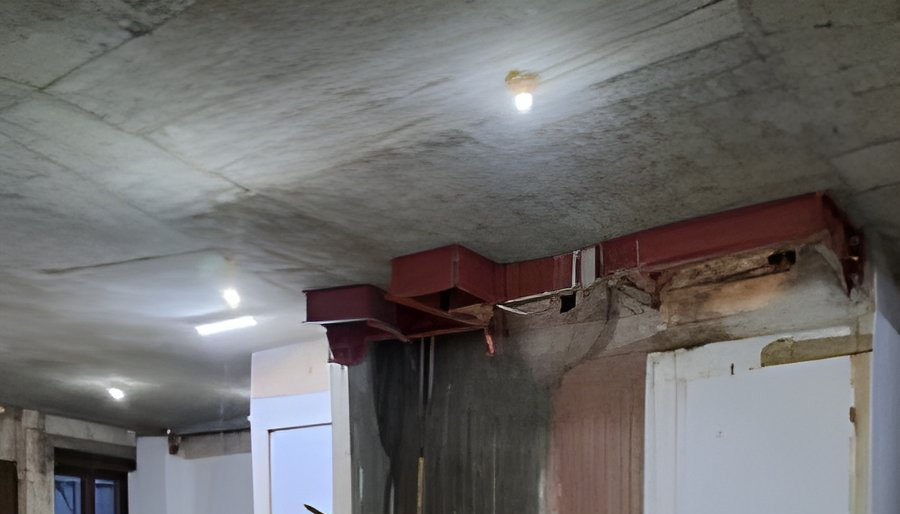
During refurbishment at a City of London construction project, openings were cut through five concrete floors to form a service riser shaft. The principal contractor instructed carpenters to build temporary wooden platforms under each opening to collect 16 kg concrete cores and debris generated by the cutting. While working on the third floor, a drilling operative was directly under one of the temporary platforms when it suddenly gave way and collapsed on top of him, along with chunks of concrete that had not been cleared away.
What Was The Outcome?
Both firms pleaded guilty to breaches of the Construction Design and Management Regulations 2015. The principal contractor was fined £19,333 plus costs of £5,548. The other contractor was fined £13,000 plus costs of £5,548. The enforcement outcome reflected findings that temporary works were not designed and managed to withstand foreseeable loading and that work planning, management and monitoring were deficient.
Key Points To Consider
Design temporary works for foreseeable loads. Temporary structures must be designed, installed and maintained to withstand any foreseeable loads, and loading levels must be properly calculated and understood before work starts.
Use competent temporary works coordination and effective inspection. Inspections and temporary works coordination must be carried out by competent people so that design and loading risks are identified and acted on, not simply recorded.
Control the use of platforms and manage debris. Clear operational arrangements are needed to ensure platforms are not overloaded and that debris is regularly removed, with monitoring to check that this is actually happening.
Plan, manage and monitor construction activities properly. Risk assessments and method statements must be consistent and clear about requirements for temporary protection, and managers must supervise work to ensure safe systems are followed.
Improve coordination so workers are not placed in danger. Even when workers understand they should not work directly below one another, effective site coordination is still required to clarify who works where and prevent conflicting activities.
Tags: regulatory, news, construction safety, contractor safety
In Other News



Sign up to our newsletter
Most Read


Worker Suffers Arm Fractures After Unguarded Conveyor
Fri 4th Sep 2026

Farmer Fined After ATV Overturn Kills Employee
Fri 4th Sep 2026
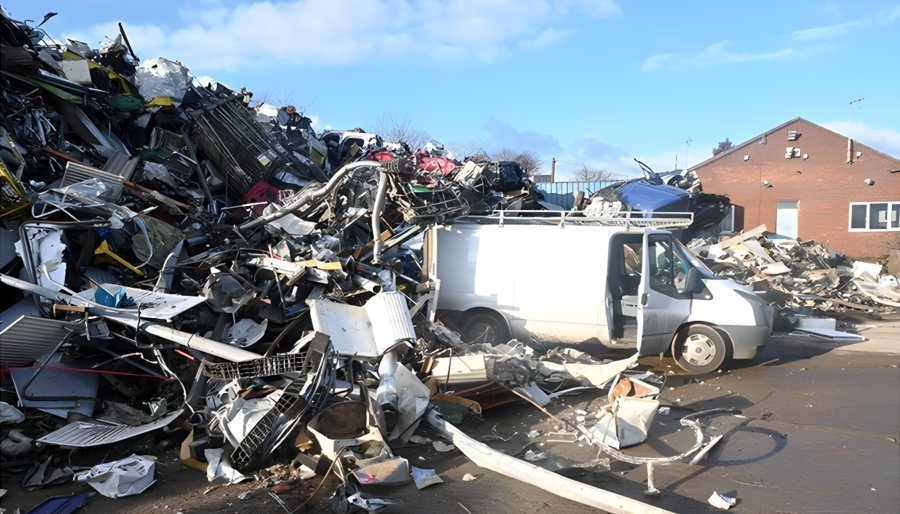
Public Injured When Scrap Metal Pile Collapsed
Wed 2nd Sep 2026
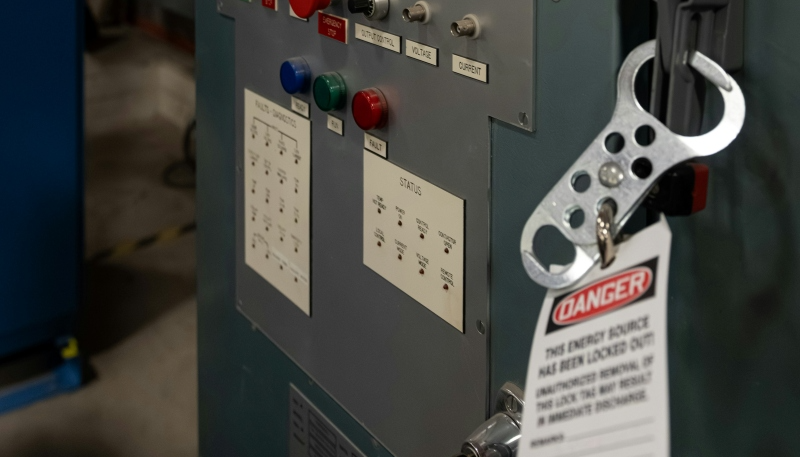
Supervisor Severely Injured After Entering Live Palletiser
Fri 28th Aug 2026

Worker Fractures Twelve Ribs During Pillar Drill Lifting Incident
Wed 26th Aug 2026
Six Figure Fine After Repeated Corrosion Under Insulation Leaks
Wed 26th Aug 2026

Strengthening Preventive Workplace Safety
Tue 25th Aug 2026

When Does an Enclosed Workplace Become a Confined Space?
Thu 20th Aug 2026