
Refinery LPG Leak Leads to £1 Million Fine After Corrosion Failure
Mon 15th Jun 2026 by HS Hub
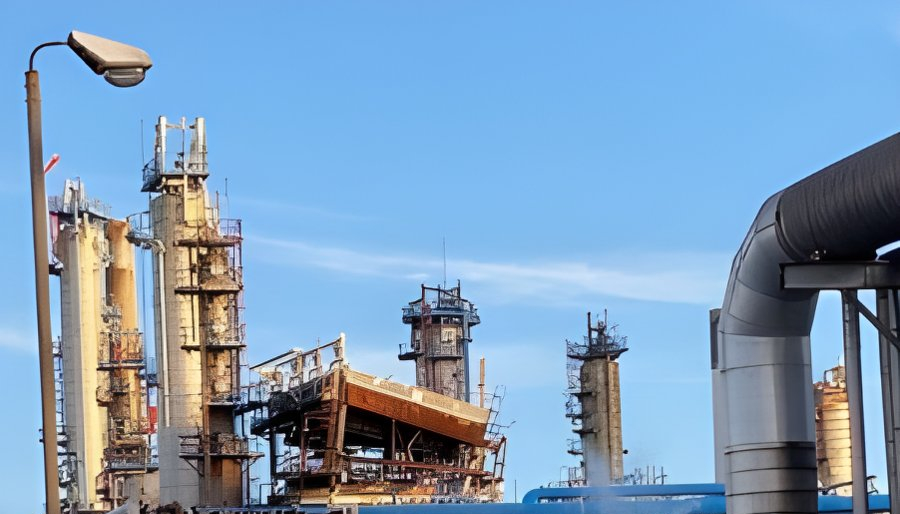
Refinery LPG Leak Leads to £1 Million Fine After Corrosion Failure

Brief Summary
An oil refinery suffered a partial collapse of a steel tower that caused pipework rupture and an uncontrolled LPG release. The investigation found long standing corrosion was identified years earlier but not dealt with, exposing workers to serious injury risk. The employer was fined £1 million.
What Was The Incident?
On 8 November 2022, a large steel tower partially collapsed at an oil refinery. The structure slewed and ruptured pipework, leading to an uncontrolled release of liquefied petroleum gas over about 33 hours. Around 400kg of LPG was released within just over 30 minutes after the collapse. Workers were nearby and faced risks from falling debris and potential burns if the gas ignited.
What Was The Outcome?
The employer was fined £1 million following a Health and Safety Executive investigation and subsequent prosecution. No injuries were reported, and emergency measures including water curtains were used while the affected process was isolated and remaining substances were vented to the flare system.
Key Points To Consider
Manage corrosion as a major loss of containment risk. Corrosion identified years earlier must lead to timely control measures, because it can develop into structural failure and rupture.
Treat structural integrity checks as essential risk control. Asset integrity and inspection regimes need to be robust enough to detect deterioration and ensure it is acted on before conditions worsen.
Maintain plant and pipework in a safe condition. Employers must ensure integrity of plant and pipework is maintained, with specific arrangements to prevent loss of containment from hazards such as corrosion.
Plan for major accident prevention in high hazard industries. Major hazard oversight should address risks that can escalate quickly, including corrosion that could lead to uncontrolled releases.
Expect rapid release even when collapse is the initiating event. Emergency planning must reflect that significant quantities can be released within minutes, and that workers in the vicinity need protection from debris and ignition risks.
Tags: regulatory, news, hazmat, gas detection, emergency planning, incident management, compliance

In Other News




Sign up to our newsletter
Most Read





Worker Suffers Arm Fractures After Unguarded Conveyor
Fri 4th Sep 2026

Farmer Fined After ATV Overturn Kills Employee
Fri 4th Sep 2026
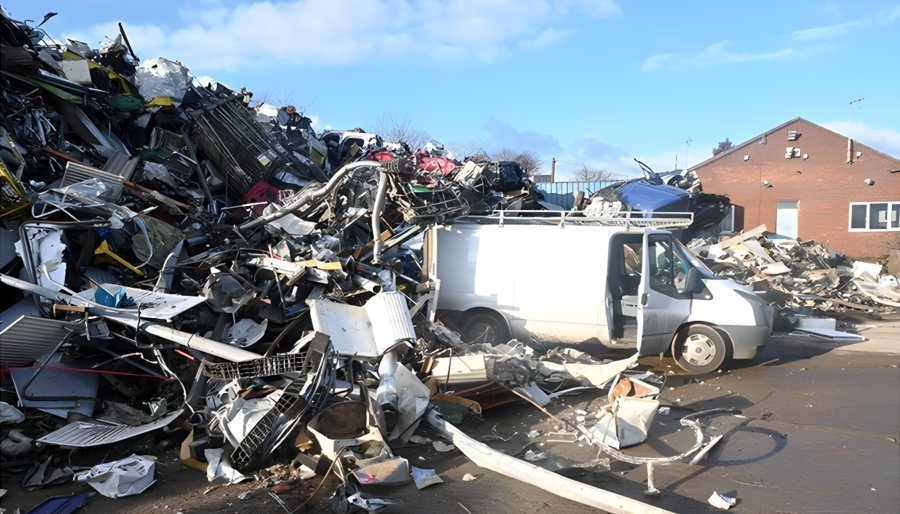
Public Injured When Scrap Metal Pile Collapsed
Wed 2nd Sep 2026

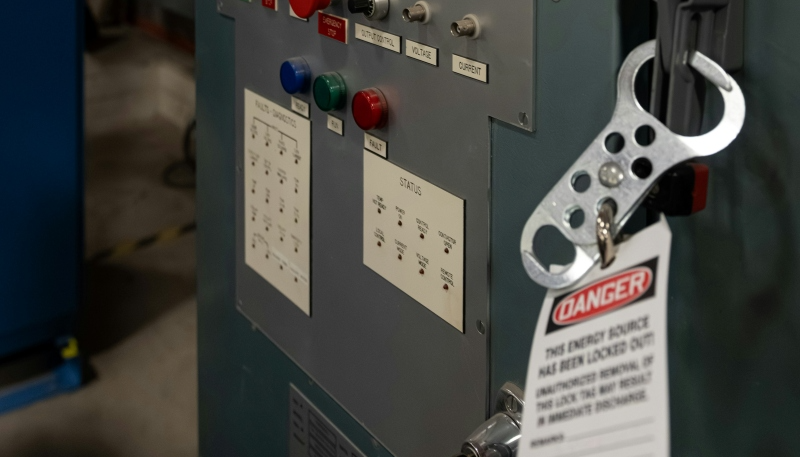
Supervisor Severely Injured After Entering Live Palletiser
Fri 28th Aug 2026


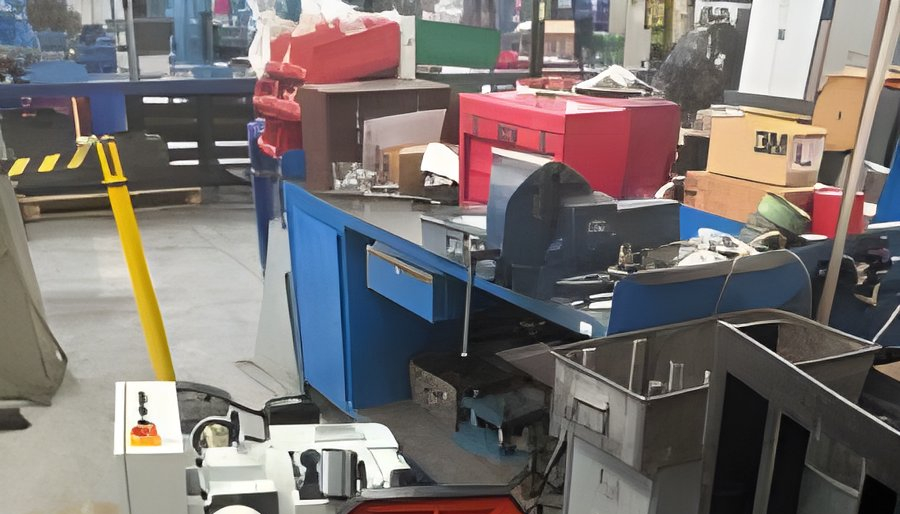
Worker Fractures Twelve Ribs During Pillar Drill Lifting Incident
Wed 26th Aug 2026
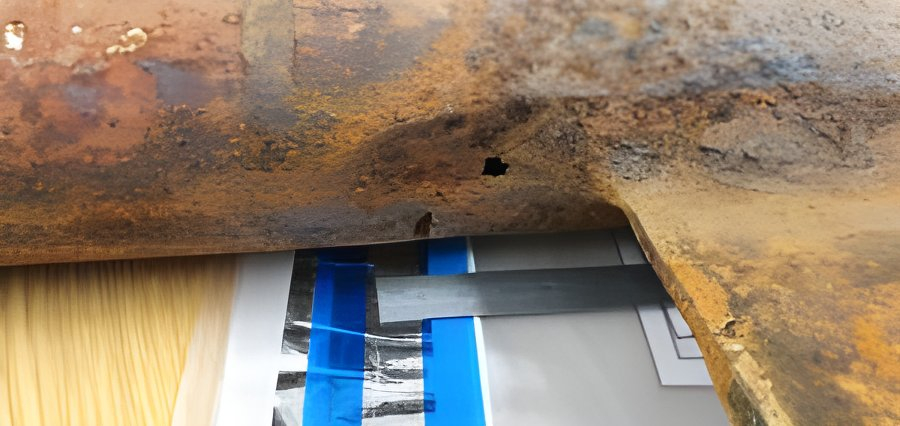
Six Figure Fine After Repeated Corrosion Under Insulation Leaks
Wed 26th Aug 2026

Strengthening Preventive Workplace Safety
Tue 25th Aug 2026


When Does an Enclosed Workplace Become a Confined Space?
Thu 20th Aug 2026