
Waste and Recycling Company Fined After Conveyor Belt Crush Injuries
Mon 8th Jun 2026 by HS Hub
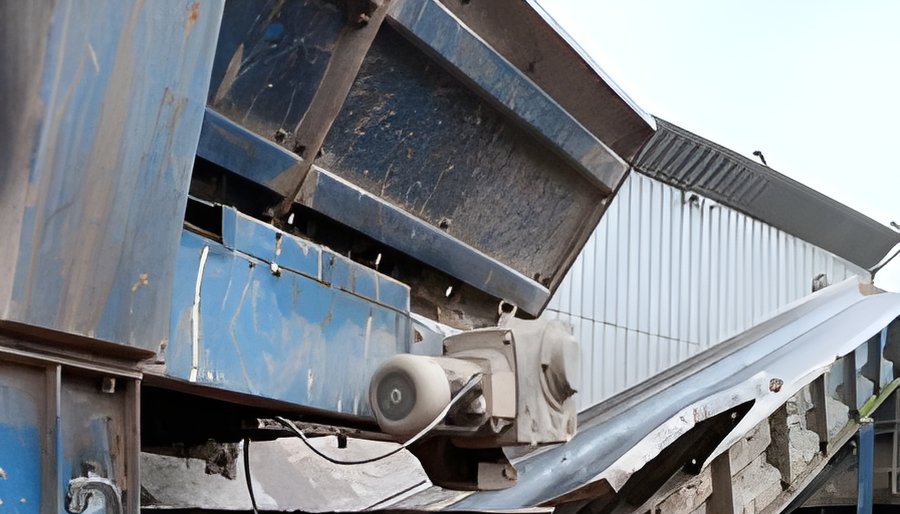
Waste and Recycling Company Fined After Conveyor Belt Crush Injuries

Brief Summary
A waste and recycling company was prosecuted after a worker suffered life changing crush injuries when their arm contacted the tail end of an unguarded conveyor belt. The investigation found failures to prevent access to dangerous parts of the machinery and to provide a safe system of work for clearing blockages.
What Was The Incident?
On 27 January 2024, a worker at a waste and recycling facility slipped and made contact with the unguarded tail end of a conveyor belt carrying waste materials. The worker had been trying to clear a blockage on the plant when their arm was dragged into the conveyor, leading to crush injuries including bone fractures, severe lacerations, nerve damage and a fractured rib.
What Was The Outcome?
The employer pleaded guilty to breaching the Health and Safety at Work etc Act 1974 and the Provision and Use of Work Equipment Regulations 1998. It was fined £64,666 and ordered to pay £4,657 in costs. The case reinforces enforcement of safeguarding and safe systems of work for machinery and maintenance or cleaning tasks.
Key Points To Consider
Guard dangerous parts of machinery. If any part of a machine could cause reasonably foreseeable harm, it should be treated as dangerous and protected so people cannot access it during normal work and when clearing faults.
Put a safe system of work in place for blockages. Tasks such as clearing blockages must be covered by a robust safe system of work, including clear steps for how to deal with blockages and how to manage the associated hazards.
Use isolation before cleaning or maintenance. Arrangements should include isolating the plant ahead of any maintenance or cleaning activity, particularly where people may need to enter or reach near moving or hazardous machinery.
Base controls on an effective risk assessment. Employers should ensure suitable and sufficient risk assessments identify dangerous parts and take account of reasonably foreseeable risks, then translate those risks into specific physical safeguards and work procedures.
Strengthen health and safety management for machinery work. HSE highlighted that incidents involving moving machinery are often linked to poor guarding and weak health and safety management, so training, supervision and adherence to safe procedures are critical.
Tags: regulatory, news, machinery safety, lockout tagout, permit to work, safety training, core health & safety
In Other News


Sign up to our newsletter
Most Read




Runaway Vehicle During Recovery Operation Causes Serious Injuries
Fri 16th Oct 2026
Apprentice Dies After Engine Room Fire Suppression Activation
Fri 16th Oct 2026

Life Changing Injury During Filming From A Moving Vehicle
Thu 15th Oct 2026


HSE Urges Early Action On Noise And Vibration Risks
Tue 13th Oct 2026
Landlord Sentenced For Failing To Arrange Annual Gas Safety Checks
Mon 12th Oct 2026

Worker Suffers Partial Thumb Loss During Manual Handling Task
Wed 7th Oct 2026