
Shipping Company Fined After Pedestrian Struck by Reversing Forklift
Thu 28th May 2026 by HS Hub
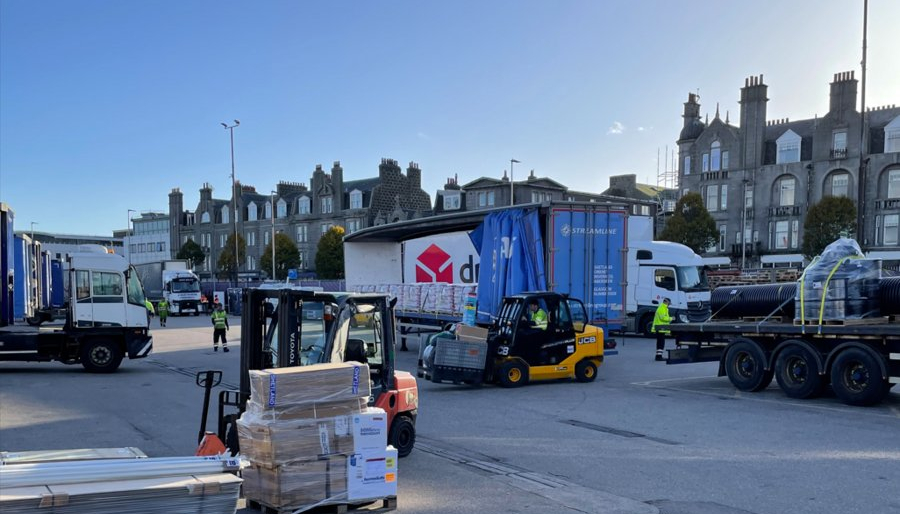
Shipping Company Fined After Pedestrian Struck by Reversing Forklift

Brief Summary
The prosecution related to a serious incident at a shipping yard where a pedestrian was struck by a reversing forklift during loading and unloading. The employer had a traffic management plan, but it did not include enough detail to keep pedestrians safe when vehicles and people were working concurrently in the same area.
What Was The Incident?
At the employer premises in Aberdeen, a worker was on foot unclipping the curtain side of an articulated trailer when a reversing forklift made contact with his right leg, pulling him to the ground. The forklift was being driven by another worker.
What Was The Outcome?
The employer pleaded guilty to breaching the Workplace Health, Safety and Welfare Regulations 1992 and the Health and Safety at Work etc Act 1974. It was fined £146,700 and ordered to pay a victim surcharge of £11,000. An Improvement Notice had been served, and the employer made improvements to its traffic management arrangements to the satisfaction of the regulator.
Key Points To Consider
Ensure safe separation of pedestrians and vehicles. Employers must organise workplaces so that pedestrians can circulate safely alongside vehicles, especially in areas used for routine loading and unloading.
A traffic management plan must be detailed enough. Having a plan is not sufficient if it does not set out the practical arrangements needed to protect people on foot when activities happen concurrently in the same space.
Plan for foreseeable risk when people concentrate on tasks. Risk can increase when both pedestrian and vehicle drivers are focused on their own tasks near each other, so controls need to reflect that foreseeable situation.
Control vehicle movement during loading and unloading. Review and manage how vehicles enter, move within, and leave work areas during loading and unloading to avoid pedestrians being exposed to moving vehicles.
Use enforcement to drive effective improvements. Where an Improvement Notice is issued, take timely corrective action and ensure changes actually address the specific failings identified in the investigation.
Tags: regulatory, news, transport safety, machinery safety, incident management, compliance
In Other News



Sign up to our newsletter
Most Read



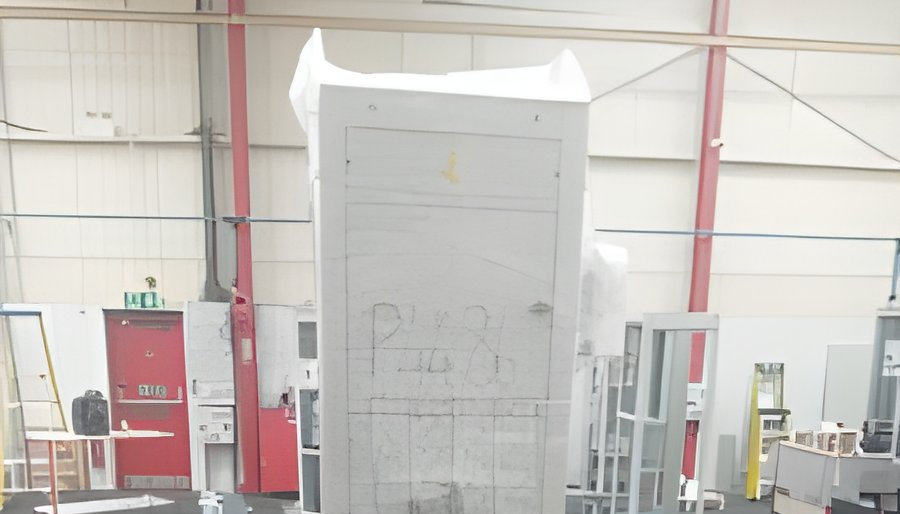
Electrical Company Fined After Worker Crushed By Unsecured Load
Fri 16th Oct 2026
Apprentice Dies After Engine Room Fire Suppression Activation
Fri 16th Oct 2026

Life Changing Injury During Filming From A Moving Vehicle
Thu 15th Oct 2026


HSE Urges Early Action On Noise And Vibration Risks
Tue 13th Oct 2026
Landlord Sentenced For Failing To Arrange Annual Gas Safety Checks
Mon 12th Oct 2026

Worker Suffers Partial Thumb Loss During Manual Handling Task
Wed 7th Oct 2026