HSE Policy Position On Great Britain Asbestos Control Limit
HSE Policy Position On Great Britain Asbestos Control Limit

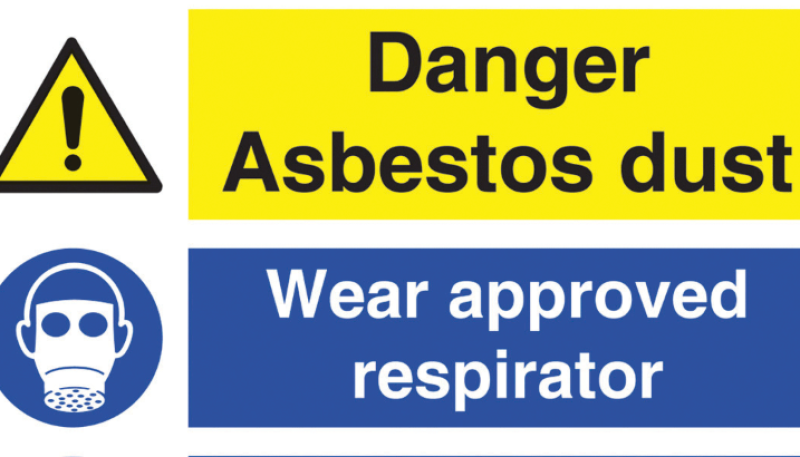
Following a review of scientific, technical and workplace evidence, HSE has decided not to lower Great Britain asbestos control limit in law at this time. The decision reflects the way the limit operates within the regulatory framework, practical measurement differences with the European Union approach, and the importance of controls, training and enforcement for reducing exposure.
HSE has reviewed the latest international scientific, technical and workplace evidence on Great Britain asbestos control limit and concluded that there is no clear evidence that lowering the limit in law would reduce current or future exposures or improve health outcomes. The review was carried out in response to a recommendation from the 2022 Work and Pensions Committee and to consider the European Union decision to reduce its occupational exposure limit. HSE drew on its own reviews, international evidence, expert input and an industry and technical expert workshop held in May 2025, and the work was assured by HSEs Chief Scientific Adviser and the Workplace Health Expert Committee.
The current Great Britain control limit is 0.1 fibres per millilitre measured as a 4 hour time weighted average under the Control of Asbestos Regulations 2012. The EU limit was previously 0.1 fibres per millilitre as an 8 hour time weighted average and was reduced to 0.01 fibres per millilitre from 21 December 2025, with a further reduction planned for 2029 depending on fibre counting methods. Because Great Britain uses a 4 hour averaging period, the same exposure can register as a higher reported concentration than under an 8 hour approach and the two systems are not directly equivalent.
The control limit in Great Britain forms part of the legal definition of higher risk licensed asbestos work and sits within a regulatory framework that requires exposures to be prevented where possible and otherwise reduced to as low as reasonably practicable. Licensed work must meet strict requirements including notifying HSE, putting in place control measures and carrying out independent four stage clearance, personal exposure monitoring and medical checks. The regime applies the hierarchy of controls with respiratory protective equipment used as a last resort. The EU approach places greater emphasis on personal protective equipment for managing lifetime exposure, reflecting a different risk management philosophy.
HSE found sufficient evidence to estimate the potential scale of exposures that might be affected by any change to the limit but concluded that lowering the control limit in isolation is unlikely to deliver significant health benefits in the Great Britain context. The review noted that most asbestos work is already designed to minimise exposure well below the control limit when effective controls are applied, and that training, competence, site discipline and regulatory enforcement are more influential in reducing exposure risk than changing the numerical limit. HSE will continue to monitor emerging evidence and international developments, including the EU review planned for 2029, and will focus on ensuring that standards are met in practice.
Tags: article, news, asbestos, occupational health, environmental health
In Other News




Sign up to our newsletter
Most Read



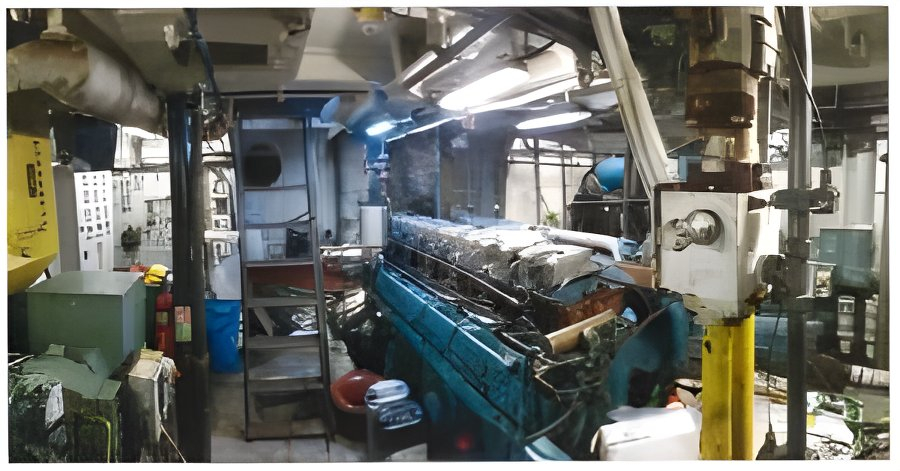
Apprentice Dies After Engine Room Fire Suppression Activation
Fri 16th Oct 2026

Electrical Company Fined After Worker Crushed By Unsecured Load
Fri 16th Oct 2026

Life Changing Injury During Filming From A Moving Vehicle
Thu 15th Oct 2026


HSE Urges Early Action On Noise And Vibration Risks
Tue 13th Oct 2026
Landlord Sentenced For Failing To Arrange Annual Gas Safety Checks
Mon 12th Oct 2026


Worker Suffers Partial Thumb Loss During Manual Handling Task
Wed 7th Oct 2026