HSE Inspections Target Flour Dust Exposure In Bakeries
Mon 26th Jan 2026 by HS Hub
HSE Inspections Target Flour Dust Exposure In Bakeries

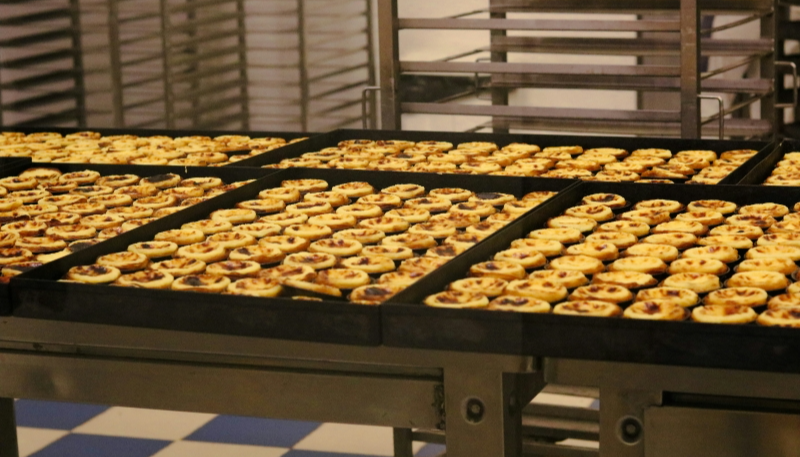
The Health and Safety Executive has begun inspections at large bakeries across Great Britain to assess compliance with the Control of Substances Hazardous to Health Regulations and to reduce occupational asthma risk from flour dust and other dusty ingredients. Inspectors will focus on the hierarchy of controls and on whether employers have suitable health surveillance and cleaning arrangements in place.
The Health and Safety Executive has started a programme of inspections at large bakeries across Great Britain from January 2026. Inspectors will review how employers are protecting workers from exposure to flour dust and other dusty ingredients, and will assess compliance with the Control of Substances Hazardous to Health Regulations and the presence of appropriate health surveillance for exposed staff.
Flour dust and certain bread improver enzymes are known causes of occupational asthma and respiratory sensitisation. Dust can make the airways hypersensitive so that once a worker is sensitised even very small exposures can trigger symptoms, and in many cases the condition cannot be reversed. Dust generated during routine bakery tasks can linger in the atmosphere, with common high risk activities including dusting flour during dough handling, tipping and dispensing dry ingredients, and cleaning up flour spills.
Inspectors will check that employers have applied the hierarchy of controls in order of effectiveness. This means prioritising elimination of dusty processes where possible, for example using non stick belts instead of flour as a lubricant or sensors to stop flour dusters when products are not present, and substituting with low dust or liquid and gel based ingredients. Where elimination and substitution are not feasible, engineering controls such as local exhaust ventilation should be used, with respiratory protective equipment considered only as a last resort.
HSE notes that applying the hierarchy can reduce reliance on mechanical extraction and lower long term costs while protecting health. In one example a large bakery nationally assessed its flour use and trialled low dust flours and dust suppressants, which cut exposure substantially. Employers are encouraged to follow established guidance, including industry guidance such as the Federation of Bakers Blue Book, and to use appropriate cleaning methods rather than dry sweeping or compressed air, using an industrial vacuum cleaner of at least M class or wet cleaning where needed.
Tags: regulatory, news, coshh, occupational health, environmental health
In Other News




Sign up to our newsletter
Most Read



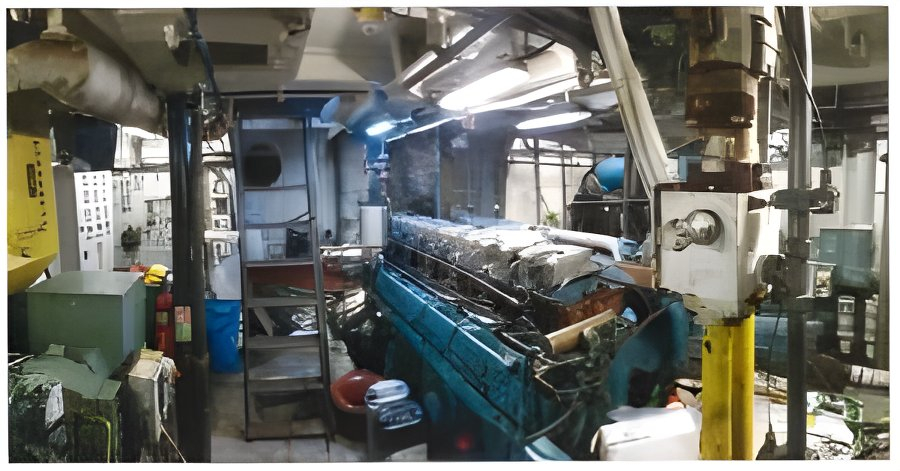
Apprentice Dies After Engine Room Fire Suppression Activation
Fri 16th Oct 2026
Electrical Company Fined After Worker Crushed By Unsecured Load
Fri 16th Oct 2026

Life Changing Injury During Filming From A Moving Vehicle
Thu 15th Oct 2026


HSE Urges Early Action On Noise And Vibration Risks
Tue 13th Oct 2026
Landlord Sentenced For Failing To Arrange Annual Gas Safety Checks
Mon 12th Oct 2026


Worker Suffers Partial Thumb Loss During Manual Handling Task
Wed 7th Oct 2026