Waste Company Fined After Unsafe Skip Stockpiling and Poor Traffic Segregation

Waste Company Fined After Unsafe Skip Stockpiling and Poor Traffic Segregation
Brief Summary
HSE found multiple health and safety failures at a waste and recycling site, including skips stacked three high in areas regularly accessed by workers and weak arrangements for separating vehicles from pedestrians. The company had also previously been subject to enforcement action related to skip stockpiling, but similar risks reappeared.
What Was The Incident?
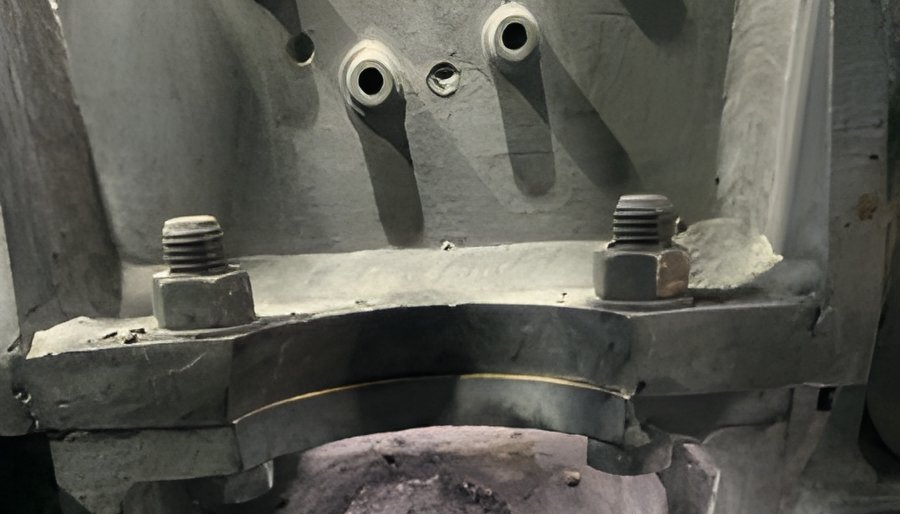
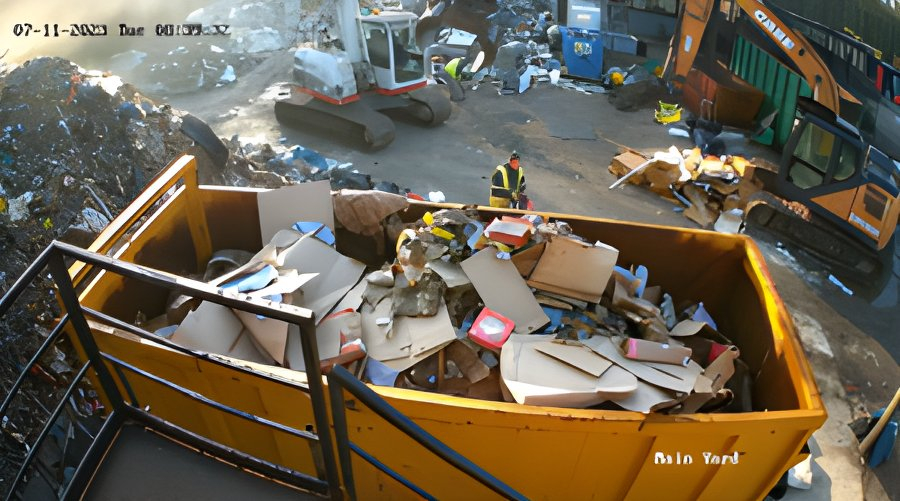
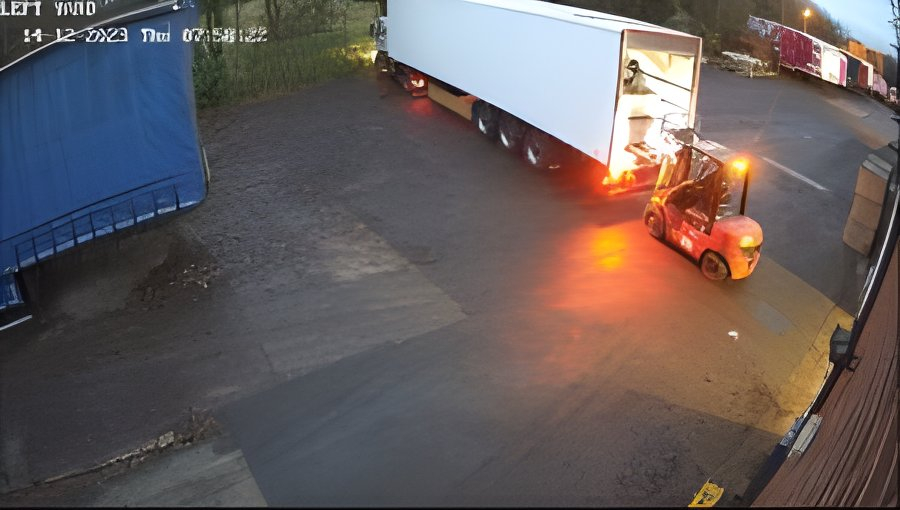
During an HSE visit on 11 August 2022, inspectors observed vehicles and loading activities moving freely around the site. Pedestrians could not use a dedicated pedestrian entrance because it was chained and padlocked, so they were forced to use the same route as vehicles. There was no effective segregation using designated pedestrian routes or crossing points. Although a visual traffic plan existed, it was not visible to staff or visitors and was out of date because the site layout had changed, including missing key pedestrian movements such as access across the yard to toilets. Inspectors also found skips stacked unsafely, with some deformed. The stack height was three high in places, increasing the likelihood of collapse or falling. The skips were located in an area regularly accessed by workers on foot and in vehicles, creating significant risk of skips falling.
What Was The Outcome?
Following additional visits after improvement notices were served, the subsequent investigation found the company had previously received prohibition notices in 2019 for stockpiling and risks of collapse. The company pleaded guilty to two offences under s33(1)(a) of the Health and Safety at Work Act and was fined £167,000. It was also ordered to pay £16,195 costs.
Key Points To Consider
Ensure real pedestrian and vehicle segregation. Pedestrians must have safe routes and crossing points, rather than being pushed onto vehicle routes, especially where vehicles and loading activities operate.
Keep traffic management plans visible and current. A traffic plan is not enough if staff and visitors cannot see it and it does not reflect current site arrangements and pedestrian movements.
Control skip stacking to prevent collapse and falling. Skip storage must account for instability, deformation, weight and height, and avoid locating stacks where people regularly pass.
Learn from prior enforcement and improvement notices. Where enforcement action has already been taken, similar failures must not recur, and improvements must be effectively implemented within the required timescales.
Assess and act on potentially catastrophic consequences. For heavy items like skips, the risk assessment and control measures must reflect the severity of harm that could result if collapse or falling occurs.
Tags: regulatory, news, transport safety, machinery safety, fall protection, signage, compliance

In Other News

Company Fined After Roofer Fell Through Unguarded Loft Hatch
Fri 8th May 2026

Chemicals Company Fined After Caustic Soda Burns Incidents
Fri 24th Apr 2026
Sign up to our newsletter
Most Read