Waste Company Fined After Unsafe Skip Stockpiling and Poor Traffic Segregation

Waste Company Fined After Unsafe Skip Stockpiling and Poor Traffic Segregation
Brief Summary
HSE found multiple health and safety failures at a waste and recycling site, including skips stacked three high in places and poor segregation between pedestrians and vehicles. Enforcement followed improvement notices, and the company previously faced prohibition action for related stockpiling risks. The case highlights how site traffic control and safe storage of materials are central to preventing life changing injuries.
What Was The Incident?
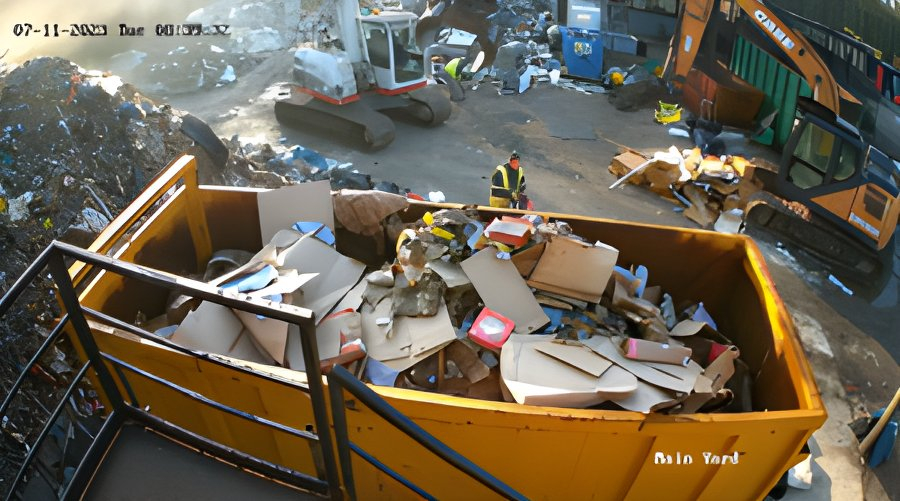
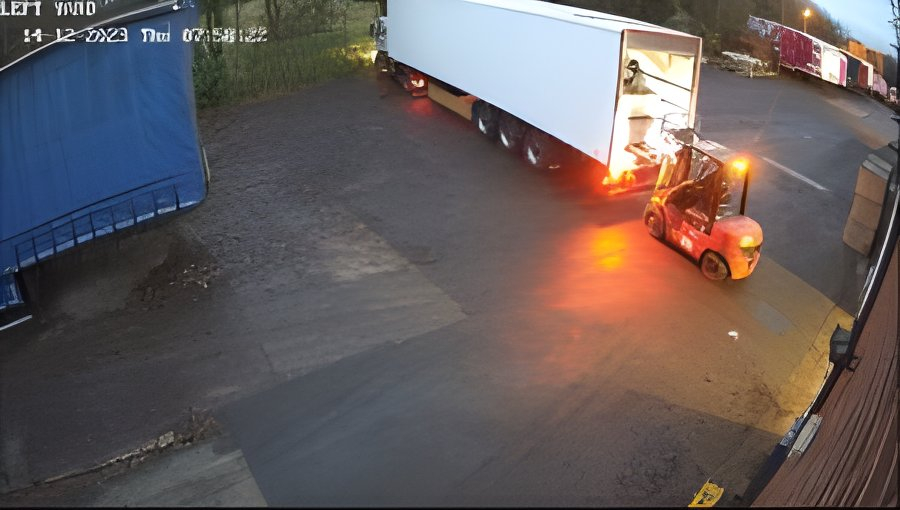
HSE inspection on 11 August 2022 observed vehicles and loading shovels being driven around the site without effective pedestrian and vehicle separation. The pedestrian entrance was chained and padlocked, forcing pedestrians to use the vehicle entrance route used by lorries and other vehicles. Inspectors also found skips stacked unsafely, with some deformed and stacked three high in places. The stacking increased the likelihood of collapse or falling, and the area was regularly accessed by workers on foot or in vehicles, creating a high risk of skips falling.
What Was The Outcome?
After a further visit 11 days later, improvement notices were served requiring corrective action within a set timescale. The company later pleaded guilty to two offences and was fined £167,000, with £16,195 costs ordered. The prosecution related to failures under duties to protect people on site from risk of death and serious personal injury. HSE stated the company had previously been subject to enforcement action, with prohibition notices served in 2019 in relation to stockpiling and collapse risks.
Key Points To Consider
Separate pedestrians and vehicles effectively. Ensure pedestrians have safe, designated routes and crossing points, and do not force them to share vehicle routes, especially where vehicles move freely around the site.
Control reversing and vehicle movement risks. Where large vehicles must reverse, consider additional precautions beyond a traffic plan and implement them consistently to protect people working nearby.
Keep traffic plans visible and up to date. Do not rely on a plan that staff cannot see or that has become outdated after site changes, since it will not reflect real pedestrian movements and vehicle circulation.
Store skips safely to prevent collapse or falling. Avoid unsafe stacking that causes instability, including stacking high stacks where deformation is present, and assess the risk of collapse based on skip size and weight.
Act promptly on enforcement and repeat risk. If improvement notices or earlier prohibition action have highlighted the same type of hazard, treat this as a clear warning that controls must be implemented and sustained, not revised only on paper.
Tags: regulatory, news, transport safety, machinery safety

In Other News



Sign up to our newsletter
Most Read