Waste Company Fined After Unsafe Skip Stacking and Poor Site Traffic Control

Waste Company Fined After Unsafe Skip Stacking and Poor Site Traffic Control
Brief Summary
HSE prosecuted a waste and recycling company after finding multiple health and safety failings at its premises. Inspectors reported unsafe skip stacking, including skips piled three high in areas used by workers and vehicles, and a lack of effective pedestrian vehicle segregation. The company was fined and ordered to pay costs, following earlier enforcement action.
What Was The Incident?
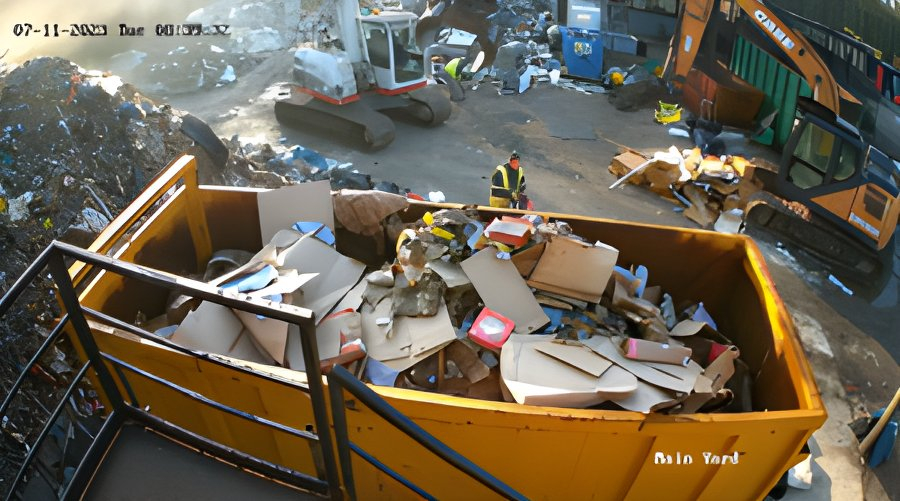
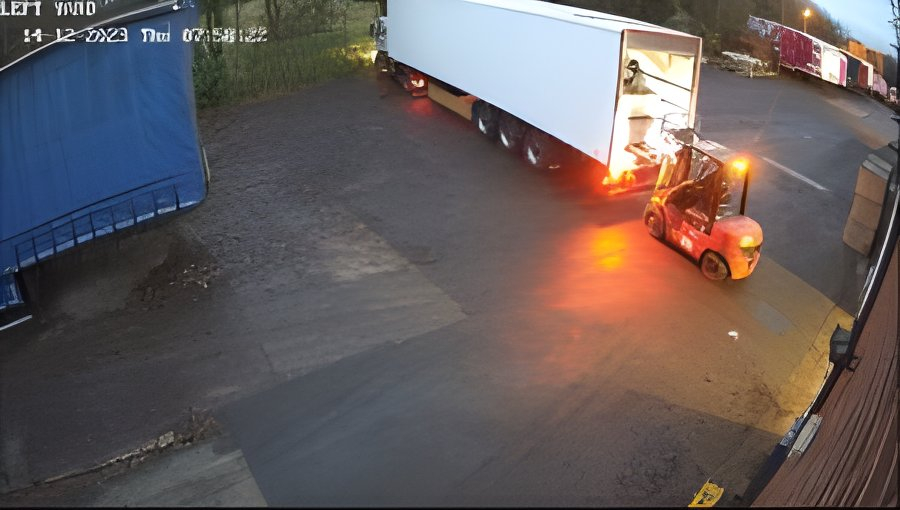
On an inspection in August 2022, HSE observed that vehicles and loading equipment were driven around the site with no effective segregation between pedestrians and vehicles. The pedestrian entrance was chained and padlocked, forcing pedestrians to use the same route as lorries and other vehicles. Although a visual traffic plan existed, it was not visible to staff or visitors and was out of date because the site layout had changed, so it did not cover key pedestrian movements, including access across the yard to toilets. HSE also found skips stacked unsafely, with some deformed skips contributing to instability. In places the stack height was three high, increasing the likelihood of collapse or falling. The skips were stored in an area regularly accessed by workers on foot or in vehicles, creating a significant risk of falling objects.
What Was The Outcome?
The employer pleaded guilty to two offences. It was fined £167,000 and ordered to pay £16,195 in costs.
Key Points To Consider
Ensure pedestrians and vehicles are effectively separated. Plan and control circulation so that people can move around the site using designated routes and safe crossing points, and do not rely on blocked entrances that force pedestrians onto vehicle routes.
Keep traffic management current and usable. A traffic plan must be visible to those on site and updated when the site layout changes, including for everyday movements such as access to welfare facilities.
Control the risks of stored loads and falling objects. Assess the stability of stacked skips, including deformation and stack height, and remove or redesign arrangements that increase the risk of collapse where workers are present.
Match additional reversing precautions to the actual activities. Where large vehicles must reverse or interact closely with people, implement additional precautions to protect those working nearby rather than assuming basic controls are enough.
Treat previous enforcement as a prompt to improve, not a warning to ignore. If there has been earlier enforcement relating to similar risks, you should review controls thoroughly and ensure the current system addresses the specific hazards found during later inspections.
Tags: regulatory, news, transport safety, work at height, machinery safety, signage, compliance

In Other News



Sign up to our newsletter
Most Read