Waste Company Fined After Unsafe Skip Stockpiling and Vehicle Pedestrian Control Failures

Waste Company Fined After Unsafe Skip Stockpiling and Vehicle Pedestrian Control Failures
Brief Summary
HSE found multiple health and safety failures at a waste and recycling site, including skips stacked three high in areas workers regularly accessed and ineffective vehicle pedestrian segregation. The company had enforcement history for similar risks, which made the failures more serious, and it was fined with additional costs awarded by the court.
What Was The Incident?
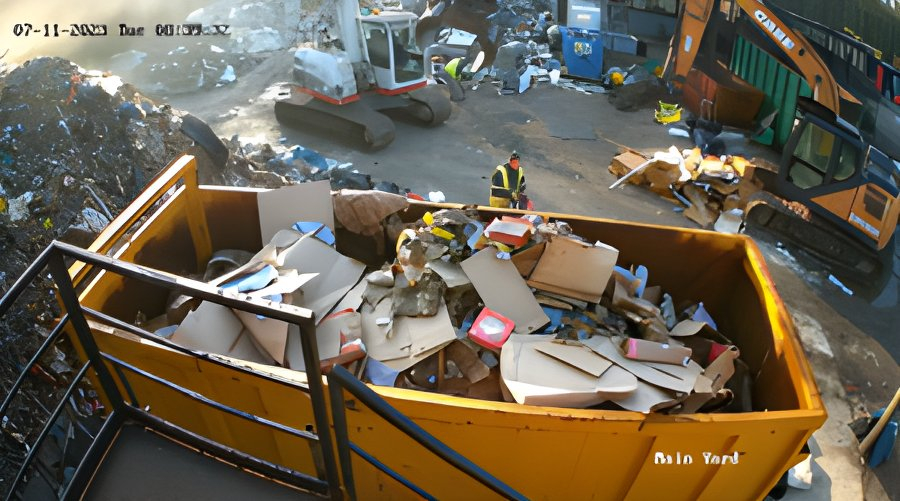
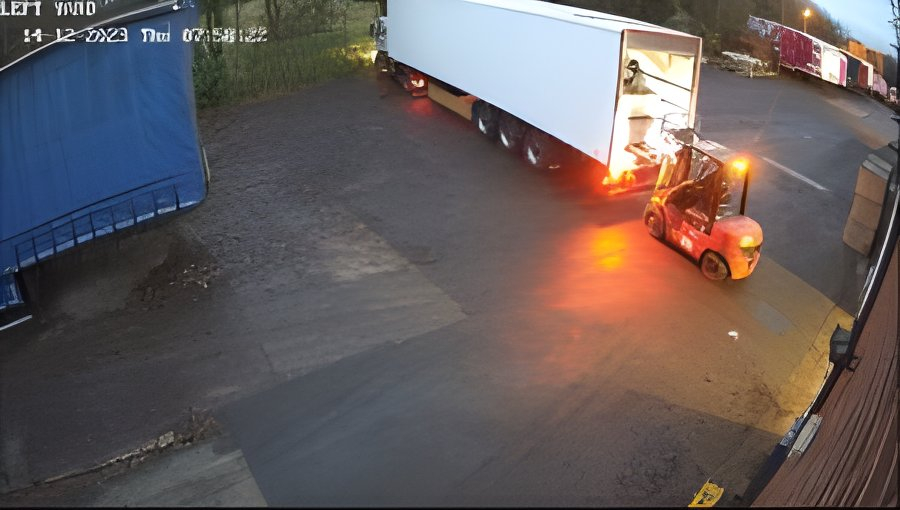
During an HSE inspection at a waste and recycling site, inspectors observed vehicles and plant moving freely around the yard. Pedestrian access was not managed safely because the pedestrian entrance was secured and pedestrians had to use the vehicle entrance route. There were no effective designated pedestrian routes or crossing points to keep people separate from traffic. A traffic plan existed but was not available to staff or visitors and was out of date following changes to the site layout, including routes to toilet access. Inspectors also identified skips that were unsafely stacked in places, some deformed, with stacks up to three high. The instability and the increased height meant there was a risk of collapse or falling. Critically, the skips were stored in an area regularly accessed by workers on foot or in vehicles, increasing the likelihood of people being struck if skips fell.
What Was The Outcome?
The company pleaded guilty to two offences for failing to fulfil duties under health and safety legislation by exposing people on site to risks of death and serious personal injury. It was fined £167,000 and ordered to pay £16,195 in costs. HSE had previously served prohibition notices in 2019 related to stockpiling and risks of collapse, and improvement notices were served after the 2022 inspection requiring corrective action within a set timescale.
Key Points To Consider
Avoid unsafe skip stockpiling. Ensure skips are stacked in a stable way and never store them in walkways or areas regularly accessed by people, particularly where deformation or excessive height could lead to collapse or falling objects.
Provide effective vehicle pedestrian segregation. Organise site routes so pedestrians and vehicles can circulate safely, with clear designated pedestrian routes and crossing points that prevent people being forced into vehicle paths.
Keep traffic arrangements current and communicated. A visual traffic plan must be visible to those who use the site and should reflect the current site configuration so it covers important pedestrian movements such as access to welfare facilities.
Plan for higher risk movements like reversing. Where large vehicles must reverse, build additional precautions into the traffic management arrangements to protect people working nearby and ensure those precautions are implemented.
Act on prior enforcement findings. If enforcement action has already identified similar failings, treat it as a clear signal that current controls are not adequate and review and improve arrangements promptly to prevent recurrence.
Tags: regulatory, news, transport safety, machinery safety

In Other News




Sign up to our newsletter
Most Read