Waste Company Fined After Skips Stockpiled and Poor Pedestrian Control

Waste Company Fined After Skips Stockpiled and Poor Pedestrian Control
Brief Summary
HSE found multiple health and safety failures at a waste and recycling site, including skips stacked three high in areas used by workers and a lack of effective segregation between vehicles and pedestrians, despite earlier enforcement action.
What Was The Incident?
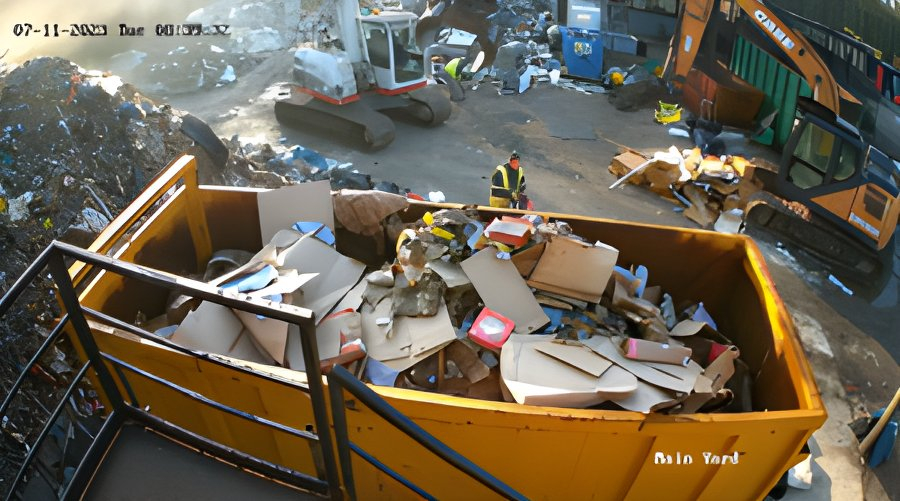
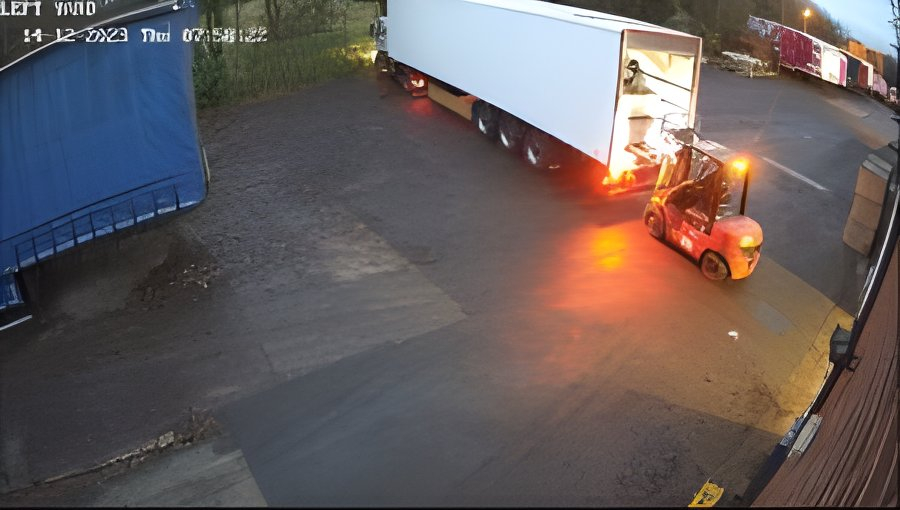
During an HSE visit in August 2022, inspectors observed vehicles moving around the yard with no effective segregation from pedestrians. The pedestrian entrance was chained and padlocked, forcing pedestrians to use the vehicle route used by lorries and other vehicles. Although a visual traffic plan existed, it was not visible to staff or visitors and was out of date after changes to site layout, including key pedestrian routes to toilets. Inspectors also found skips stacked unsafely, with some deformed and stacked three high in places. The stacking increased instability and the likelihood of collapse or falling, and it was located in an area regularly accessed by workers on foot or in vehicles. Further improvement notices were served after concerns were identified, and a subsequent investigation found the employer had previously been subject to enforcement, including prohibition notices in 2019 relating to stockpiling and collapse risks.
What Was The Outcome?
The employer pleaded guilty to two offences under section 33(1)(a) of the Health and Safety at Work etc Act 1974. It was fined £167,000 and ordered to pay £16,195 in costs.
Key Points To Consider
Physically separate pedestrians and vehicles. Do not rely on informal arrangements; ensure designated pedestrian routes and crossing points work in practice where vehicle movements occur, especially when heavy plant is operating.
Keep traffic plans visible and current. A traffic plan only helps if staff and visitors can see and follow it, and if it reflects the current site layout and pedestrian movements such as access to welfare facilities.
Control stockpiling risks from heavy and unstable items. Large items with significant weight and size can collapse with serious consequences, so stacking height, deformation, and location must be assessed and managed, particularly where workers regularly pass nearby.
Ensure risk controls match the actual site conditions. Where pedestrians are forced to use vehicle routes or additional precautions are needed during reversing and vehicle movement, make sure those precautions are implemented, monitored, and effective.
Use earlier enforcement as a trigger to review fully. Previous prohibition or enforcement action should lead to a thorough reassessment of legal duties and site controls, not just short term fixes, given regulators will expect improvements to prevent recurrence.
Tags: regulatory, news, transport safety, audit, compliance, core health & safety, machinery safety

In Other News



Sign up to our newsletter
Most Read