Waste Company Fined After Unsafely Stockpiled Skips and Weak Traffic Controls

Waste Company Fined After Unsafely Stockpiled Skips and Weak Traffic Controls
Brief Summary
HSE found multiple workplace failures at a waste and recycling site, including skips stacked three high in places, poor segregation of pedestrians and vehicles, and a traffic plan that staff and visitors could not use. The employer was fined and ordered to pay costs after pleading guilty.
What Was The Incident?
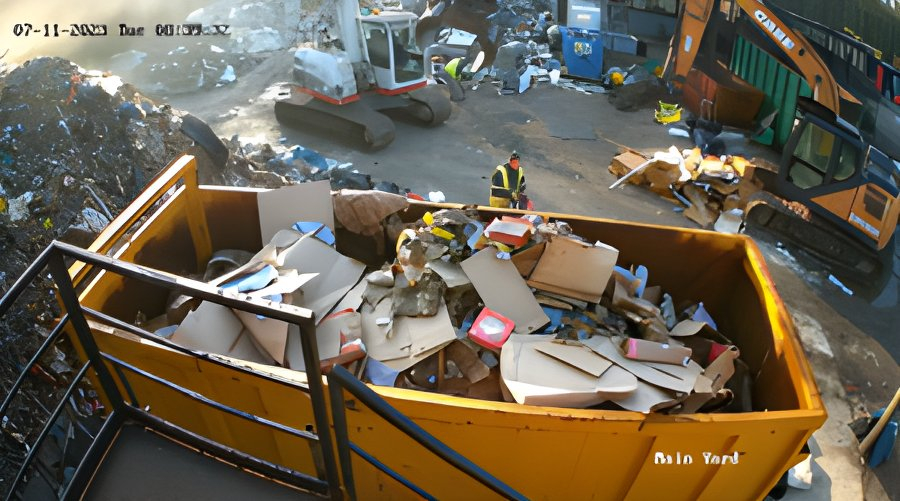
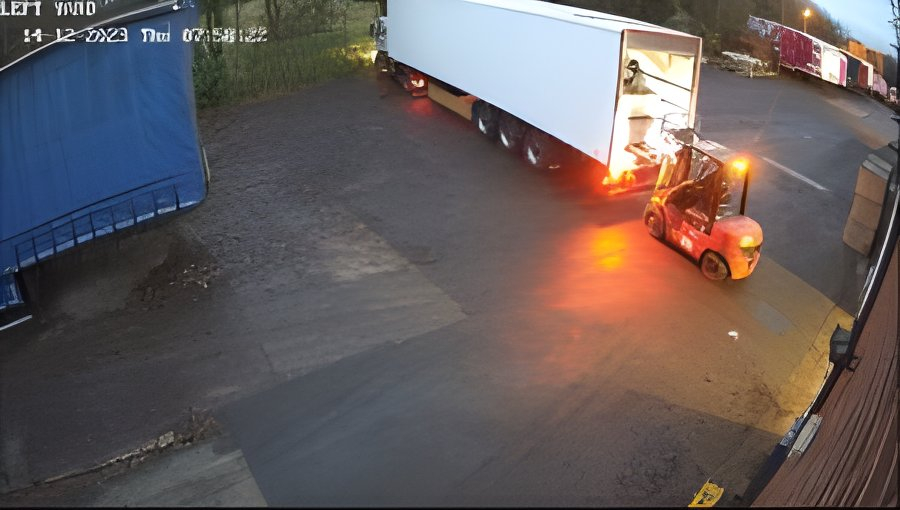
At a waste and recycling site, inspectors observed vehicles and loading equipment moving around the yard. Pedestrian access was controlled by chaining and padlocking the pedestrian entrance, forcing people to use the same route as lorries and other vehicles. There were no effective designated pedestrian routes or crossing points, despite the need for safe arrangements where reversing vehicles and large traffic movements occur. The employer also had a visual traffic plan, but it was not visible to staff or visitors and it was out of date after site layout changes, so it did not cover key pedestrian movements such as access to toilets. Separately, skips were stacked unsafely, with some deformed, three high in places, in an area regularly accessed by workers on foot or by vehicles, increasing the risk of collapse or falling.
What Was The Outcome?
The employer pleaded guilty to two offences. It was fined £167,000 and ordered to pay £16,195 in costs. HSE had previously served prohibition notices in 2019 related to stockpiling and the risk of collapse, and further improvement notices were served requiring remedial action within set timescales.
Key Points To Consider
Separate pedestrians and vehicles with effective routing. Do not rely on informal movement around the yard. Ensure there are designated pedestrian routes and crossing points so people do not have to use vehicle routes.
Review traffic arrangements when the site changes. If the layout changes, update traffic plans and the information provided on site so it reflects current pedestrian movement needs, including routes to facilities.
Prevent collapse risks from unstable materials storage. Control stacking arrangements for heavy items such as skips, including height, condition and location, so they cannot fall into areas where people work or travel.
Use additional precautions for reversing and vehicle operations. Where vehicles need to reverse, consider and implement further measures to protect people working nearby, rather than assuming traffic plans alone will manage risk.
Take enforcement history seriously and act early. Previous enforcement on similar issues should trigger immediate improvement and assurance that legal duties are being met across the whole operation, not just in response to notices.
Tags: regulatory, news, transport safety, signage

In Other News



Sign up to our newsletter
Most Read