
Police Force Fined After Student Officer Injured Responding to Road Collision
Fri 20th Feb 2026 by HS Hub
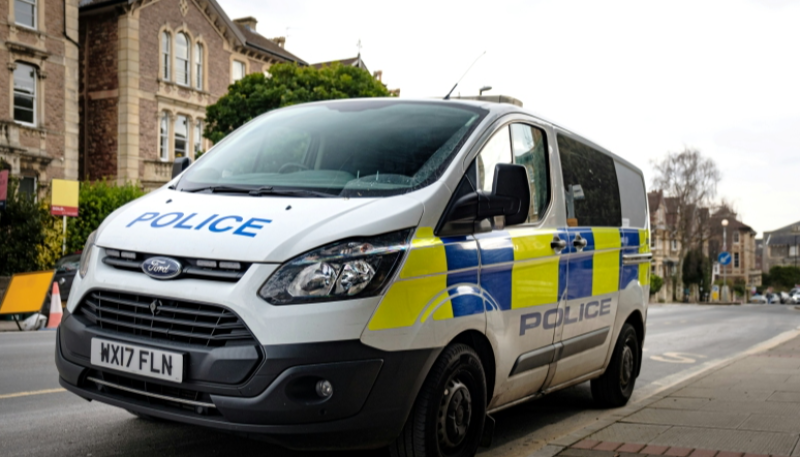
Police Force Fined After Student Officer Injured Responding to Road Collision

Brief Summary
West Mercia Police was fined after a student officer was hit by a passing car while managing traffic at the scene of a road collision. The HSE investigation found the force had not managed the risks from traffic incidents properly, with shortcomings in risk assessments, equipment, and information, instruction and training.
What Was The Incident?
On 24 December 2023, a 22 year old student officer for West Mercia Police was responding to a traffic collision in Bridgnorth, Shropshire. The collision was on a single carriageway road with no street lighting and a national speed limit of 60 mph. The officer was stood on a bend managing traffic when he was struck by a passing car.
What Was The Outcome?
West Mercia Police pleaded guilty to breaching Sections 2(1) and 3(1) of the Health and Safety at Work etc. Act 1974. The force was fined £85,800 and ordered to pay £9,402 in costs at Birmingham Magistrates Court on 20 February 2026.
What Lessons Can Be Learnt?
Risk assessments must be suitable and sufficient. Risk assessments for operational road response need to accurately cover the hazards from traffic collisions and the real conditions on site, including factors such as lighting and speed limits.
Provide equipment that supports safe response. The force was found to have failed to provide adequate equipment for safely responding to traffic collisions, which left officers and others exposed to unnecessary risk.
Information, instruction and training should be in place before incidents happen. HSE found a lack of suitable information, instruction and training, meaning employees and members of the public were exposed to avoidable danger while officers carried out response activities.
Manage traffic incident risks to protect both officers and the public. Even where serious danger is inherent to policing, officers should not be exposed to unnecessary risks while keeping the public safe, so controls must be implemented to the level that is reasonably practicable.
Do not wait for change after an injury. The force implemented significant changes after the incident, including revisions to risk assessments, policies, procedures, equipment and training, but HSE emphasised these measures should have been in place beforehand.
Tags: regulatory, news, transport safety, incident management, safety training, audit, compliance

In Other News

Sign up to our newsletter
Most Read


Worker Crushed In Unsupported Trench Causes Prosecution
Wed 9th Sep 2026
Supervisor Severely Injured After Entering Live Palletiser
Fri 28th Aug 2026


Worker Crushed In Unsupported Trench Causes Prosecution
Wed 9th Sep 2026



Worker Suffers Arm Fractures After Unguarded Conveyor
Fri 4th Sep 2026

Farmer Fined After ATV Overturn Kills Employee
Fri 4th Sep 2026

Public Injured When Scrap Metal Pile Collapsed
Wed 2nd Sep 2026

Supervisor Severely Injured After Entering Live Palletiser
Fri 28th Aug 2026
Worker Fractures Twelve Ribs During Pillar Drill Lifting Incident
Wed 26th Aug 2026