Waste Company Fined After Unsafe Skip Stockpiling and Vehicle Pedestrian Control Failures

Waste Company Fined After Unsafe Skip Stockpiling and Vehicle Pedestrian Control Failures
Brief Summary
HSE found multiple health and safety failures at a waste and recycling site, including skips stacked three high with deformed skips, poor pedestrian access, and traffic management that was neither visible nor up to date. The company had previously received enforcement for stockpiling and collapse risks, highlighting weaknesses in controlling serious hazards.
What Was The Incident?
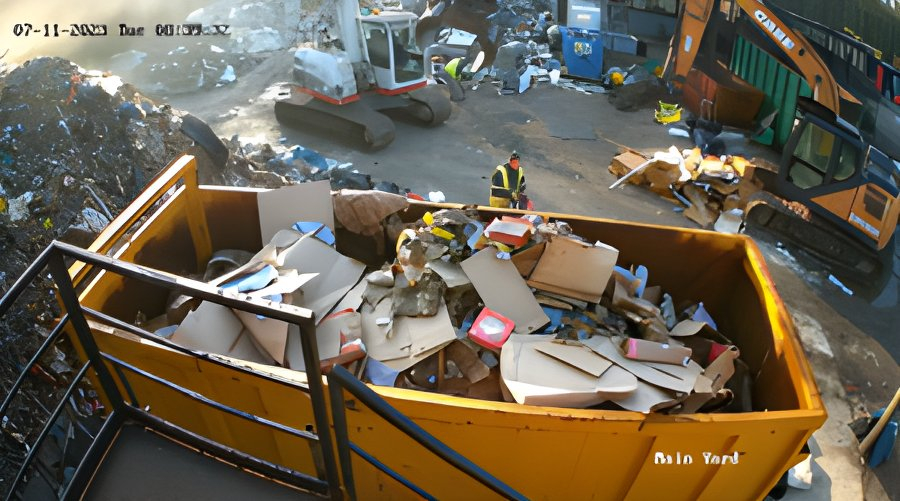
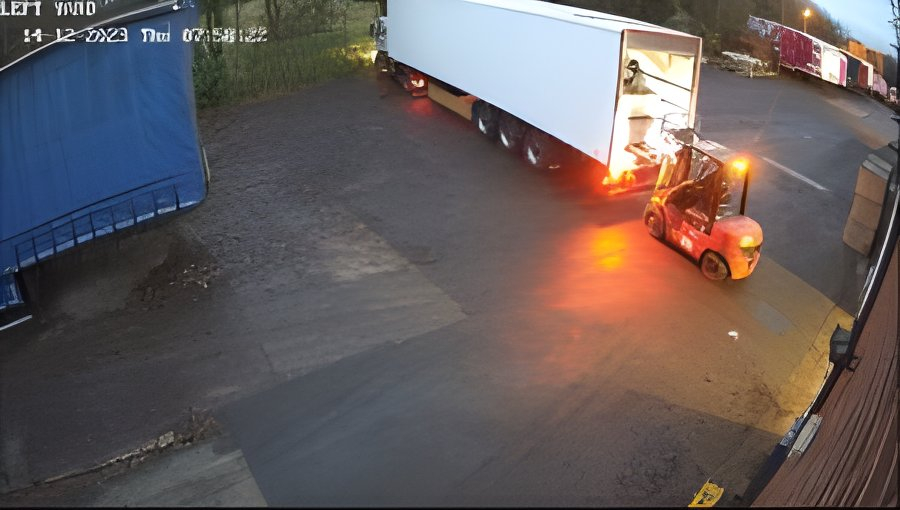
During an HSE site visit, inspectors observed vehicles moving around the yard and found that pedestrian access was not properly planned or segregated from vehicle routes. The pedestrian entrance was chained and padlocked, forcing people to use routes used by lorries and other vehicles, with no effective designated pedestrian routes or crossing points. While a visual traffic plan existed, it was not visible to staff or visitors and had become out of date because the site layout had changed, so it did not cover key pedestrian movements such as access across the yard to toilets. Inspectors also identified skips that were unsafely stacked, with some deformed and stacked three high in places, increasing the likelihood of collapse. The stacking areas were regularly accessed by workers on foot or in vehicles, exposing people to a risk of skips falling.
What Was The Outcome?
The employer pleaded guilty to two offences. It was fined 167,000 and ordered to pay 16,195 in costs. HSE had previously served prohibition notices in 2019 relating to stockpiling and risks of collapse, and improvement notices were later served requiring corrective action within a specified timescale.
Key Points To Consider
Segregate pedestrians and vehicles effectively. Make sure pedestrians have safe routes with clear crossing points or designated pedestrian areas, so they are not forced to use vehicle routes, especially where vehicles circulate frequently.
Control skip storage to prevent collapse. Avoid stockpiling skips in a way that creates instability, and treat deformed or otherwise compromised containers as a sign that stacking controls are not adequate.
Keep traffic plans current and visible. A traffic plan must be usable for staff and visitors, reflect current site layout, and address real pedestrian movements, not just a generic or outdated arrangement.
Recognise the seriousness of collapse risks. Where heavy loads are stored, assume potential consequences can be severe and prioritise prevention through layout, stacking arrangements, and exclusion of people from danger zones.
Act promptly after enforcement and previous warnings. If regulators have already identified failings around stockpiling and collapse risks, reinforce systems and monitoring to ensure the same hazards do not recur.
Tags: regulatory, news, transport safety, signage, fall protection, machinery safety, compliance

In Other News




Sign up to our newsletter
Most Read