Waste Company Fined After Dangerous Skip Stockpiling and Unsafe Site Layout

Waste Company Fined After Dangerous Skip Stockpiling and Unsafe Site Layout
Brief Summary
The regulator found multiple serious health and safety failures at a waste and recycling site, including ineffective separation of pedestrians and vehicles and skips stacked three high in areas where people accessed the yard. The employer had improvement notices following earlier enforcement and pleaded guilty to offences related to putting people at risk of death or serious injury.
What Was The Incident?
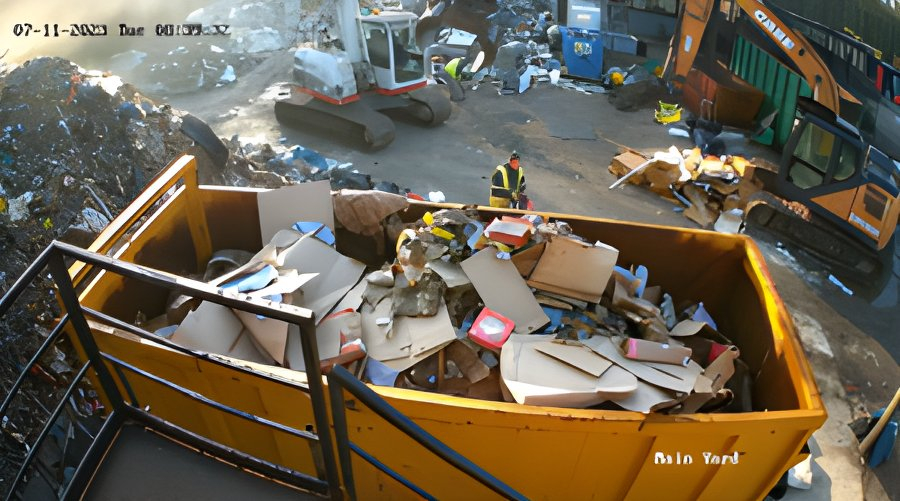
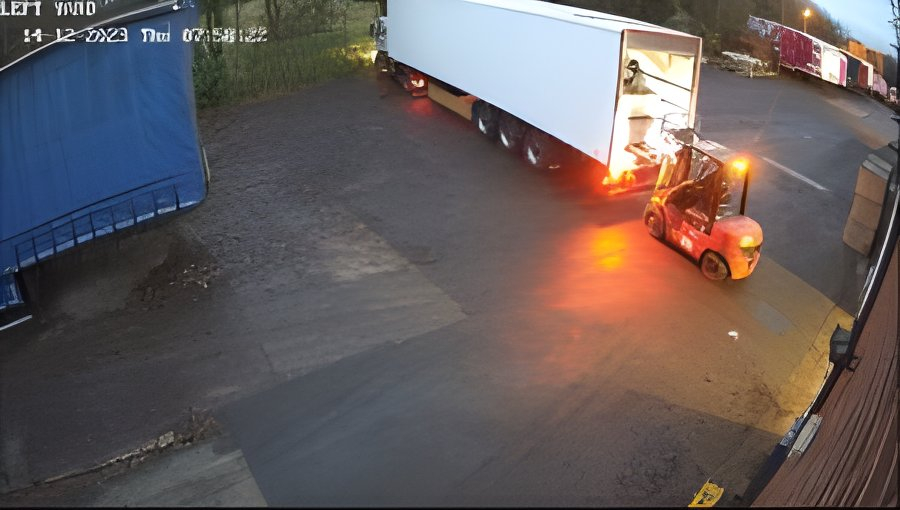
When inspectors visited the site, they observed vehicles and machinery being driven around the yard with no effective pedestrian routes or crossing points. The pedestrian entrance was chained and padlocked so pedestrians were forced to use the vehicle route used by lorries and other vehicles. Although a visual traffic plan existed, it was not visible to staff or visitors and was out of date because the yard configuration had changed, so it did not cover key pedestrian movements such as access to toilets. Inspectors also found skips stacked unsafely, with some skips deformed and stacked three high in places, increasing the likelihood of collapse or falling. The skips were located in an area regularly accessed by workers on foot or in vehicles.
What Was The Outcome?
The employer pleaded guilty to two offences and was fined £167,000. It was also ordered to pay £16,195 in costs. The regulator noted the employer had previously been subject to enforcement action, including prohibition notices in 2019 about stockpiling and collapse risk, and further enforcement action was taken following improvement notices served after the 2022 inspection.
Key Points To Consider
Segregate pedestrians and vehicles using clear arrangements. Organise site circulation so pedestrians use designated routes and crossing points and do not have to rely on vehicle routes, especially where large vehicles move or reverse.
Keep traffic plans accurate, visible, and usable. A plan is not enough on paper. Ensure it is visible to staff and visitors and remains current when the site layout changes, including key pedestrian movements such as routes to welfare facilities.
Control skip stacking to prevent collapse and falling. Do not allow skips to be stacked in a way that increases instability, particularly where skips are deformed or stacked to heights that raise collapse risk.
Avoid placing hazardous storage in routes people use. Do not stack skips in areas regularly accessed by workers on foot or in vehicles, since anyone passing near unstable storage is exposed to serious risk if a collapse occurs.
Treat previous enforcement as a warning sign. Where enforcement action has previously identified risks, ensure corrective actions are implemented properly and checked for effectiveness, rather than relying on prior notices to manage ongoing compliance.
Tags: regulatory, news, transport safety, machinery safety, fall protection, signage, compliance

In Other News





Sign up to our newsletter
Most Read