
Man Suspended After Illegal Boiler Replacement Created Carbon Monoxide Risk
Mon 16th Feb 2026 by HS Hub
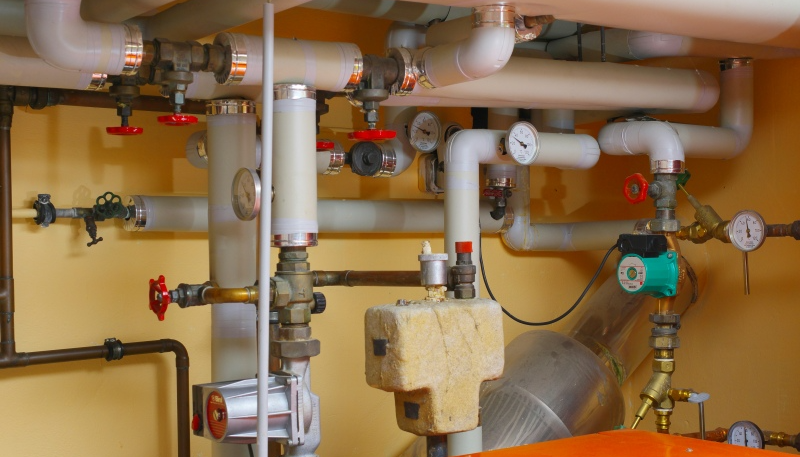
Man Suspended After Illegal Boiler Replacement Created Carbon Monoxide Risk

Brief Summary
A man was sentenced to a suspended prison term after dangerous gas work carried out without Gas Safe registration. The case highlights the legal requirement for registered competence and the real risk of carbon monoxide leaking into homes.
What Was The Incident?
In February 2023, he attended a property in Bournemouth and relocated a gas boiler and flue. After the installation, the homeowners raised concerns. A further gas engineer inspected the work and found the boiler to be immediately dangerous because the flue was not sealed or correctly positioned, creating a risk of carbon monoxide leaking into the property.
What Was The Outcome?
He pleaded guilty to breaching Regulations 3(3), 27(1) and 27(5) of the Gas Safety (Installation and Use) Regulations 1998. He was sentenced to 10 months imprisonment suspended for 12 months. He was ordered to pay the homeowner compensation of 3907 and costs of 7064 at Bristol Magistrates’ Court on 13 February 2026. He was also given a six month electronic monitoring order restricting his movements over weekends.
What Lessons Can Be Learnt?
Gas work must be done by registered personnel. Carrying out gas work without being Gas Safe registered is illegal and can place occupants at risk. Check registration before anyone works on a gas appliance or related flue system.
Dangerous installation faults can create immediate carbon monoxide risk. If a boiler flue is not properly sealed or correctly positioned, carbon monoxide can leak into the property. Competent checks should identify defects that make an installation immediately dangerous.
Competence and training are essential before any installation or relocation. The investigation found he had no training in gas work. Organisations and individuals must ensure the right qualifications and demonstrated competence before taking on gas work.
Unregistered work is particularly risky when problems are reported. When homeowners had concerns, a second engineer inspected and identified the installation as immediately dangerous. This shows the importance of acting on safety concerns and getting specialist assessment.
Regulatory enforcement can include court orders and financial penalties. This case resulted in a suspended sentence, electronic monitoring, compensation to the homeowner and costs. Where gas work is carried out illegally or unsafely, enforcement action can be severe.
Tags: regulatory, news, compliance, certification, gas detection

In Other News


Sign up to our newsletter
Most Read


Worker Crushed In Unsupported Trench Causes Prosecution
Wed 9th Sep 2026
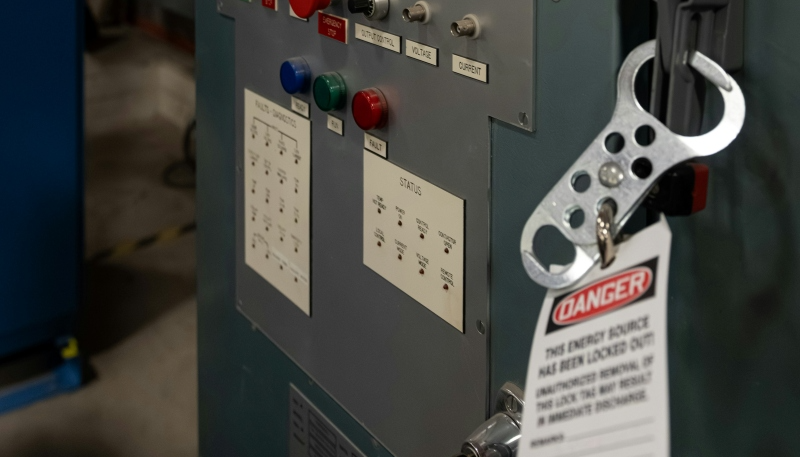
Supervisor Severely Injured After Entering Live Palletiser
Fri 28th Aug 2026


Worker Crushed In Unsupported Trench Causes Prosecution
Wed 9th Sep 2026



Worker Suffers Arm Fractures After Unguarded Conveyor
Fri 4th Sep 2026

Farmer Fined After ATV Overturn Kills Employee
Fri 4th Sep 2026

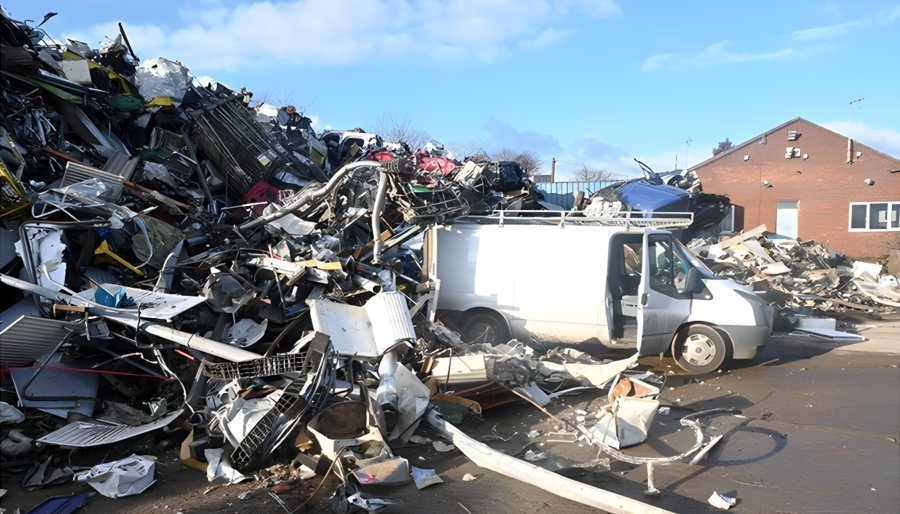
Public Injured When Scrap Metal Pile Collapsed
Wed 2nd Sep 2026
Supervisor Severely Injured After Entering Live Palletiser
Fri 28th Aug 2026
Worker Fractures Twelve Ribs During Pillar Drill Lifting Incident
Wed 26th Aug 2026