Waste Company Fined After Dangerous Skip Stockpiling and Weak Site Traffic Control

Waste Company Fined After Dangerous Skip Stockpiling and Weak Site Traffic Control
Brief Summary
HSE found multiple health and safety failures at a waste and recycling site, including poor pedestrian and vehicle segregation and dangerously stockpiled skips. The company was fined and ordered to pay costs, despite earlier enforcement action relating to similar risks.
What Was The Incident?
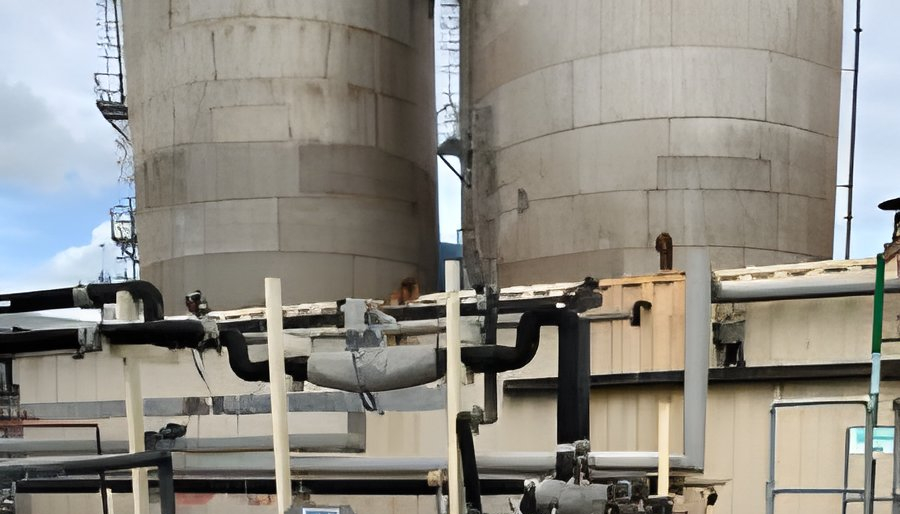
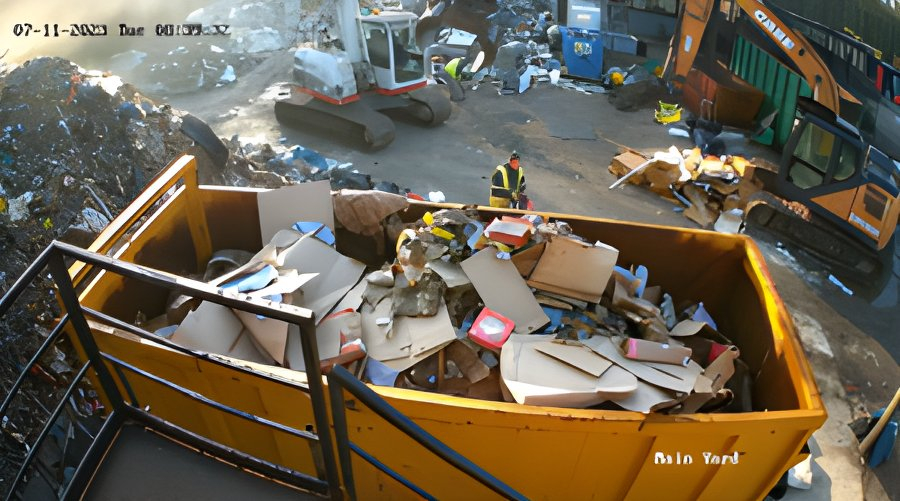
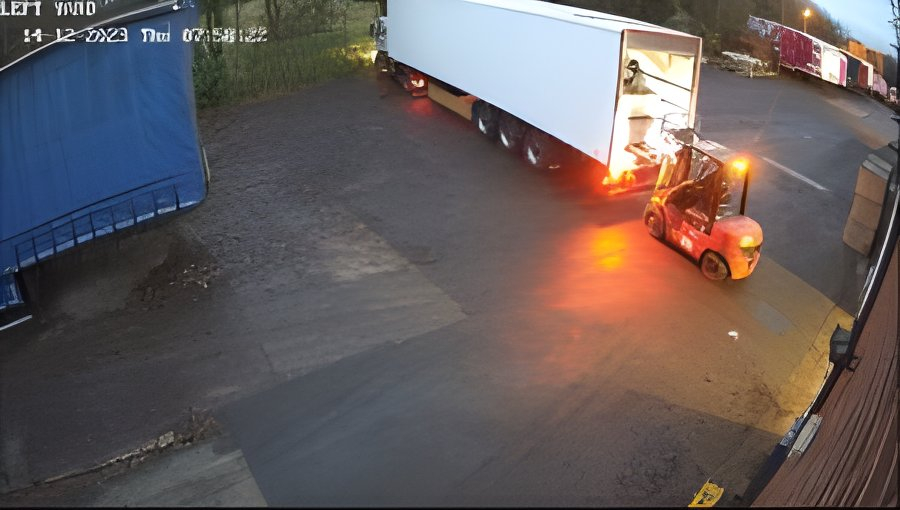
HSE visited a waste and recycling site and observed vehicles moving around freely, including tipper lorries and loading shovels. Pedestrians were forced to use the vehicle entrance route because the pedestrian entrance was chained and padlocked, with no effective segregation or designated pedestrian routes or crossing points. Although a visual traffic plan existed, it was not visible to staff or visitors and was out of date because the site layout had changed. Inspectors also found skips stacked unsafely, with some deformed and stacked three high in places. This increased the likelihood of collapse or items falling. The skips were located in an area regularly accessed by workers, on foot or in vehicles, creating a heightened risk of falling from the stack.
What Was The Outcome?
The employer pleaded guilty to two offences and was fined £167,000, with costs of £16,195. HSE had previously served prohibition notices in 2019 related to stockpiling and the risks of collapse. Following the 11 August 2022 visit, improvement notices were served requiring action within specified timescales.
Key Points To Consider
Separate pedestrians and vehicles effectively. Ensure there are clear designated pedestrian routes and crossing points, so people are not pushed onto vehicle circulation routes and are protected where vehicles and reversing operations occur.
Keep traffic management information current and visible. A traffic plan is not enough if staff and visitors cannot see it or if it is out of date when the site layout changes, particularly for key pedestrian movements such as access to welfare facilities.
Control skip stacking to prevent collapse or falling. Manage the stability of stockpiled skips, including assessing any deformation, stack height and the risks created by weight and size, so collapse is prevented.
Do not store hazards in areas people must use. Avoid placing unstable loads in locations regularly accessed by workers on foot or in vehicles, and use site planning and barriers to reduce exposure to falling objects.
Prior enforcement must lead to lasting improvements. If the regulator has previously required action on similar risks, take that as a clear signal to implement and sustain effective controls, rather than allowing the same hazards to reappear.
Tags: regulatory, news, transport safety, signage, machinery safety, work at height, compliance

In Other News



Sign up to our newsletter
Most Read